Marvel Studios is entering a critical stretch in its long-running cinematic saga, and Avengers: Doomsday (2026) is shaping up to be one of the most consequential entries yet—both in terms of scale and potential audience reaction.

Although recent chatter raised questions about the film’s future, updated information indicates that Doomsday remains firmly on track. At the same time, early industry forecasts are already positioning it as a major box office contender in 2026, signaling that expectations are high for what could become a defining release for the Marvel Cinematic Universe.
Confusion began when references to Avengers: Doomsday seemed to shift or disappear from certain materials tied to Marvel’s release plans. Given the studio’s recent adjustments to its schedule, fans quickly speculated that the film might have been delayed, reworked, or deprioritized—especially with Dune: Part Three (2026) looming as competition.
However, follow-up clarification suggests that the project is still moving forward as planned. Over the past year, Marvel has been recalibrating its overall strategy, spacing out releases and taking a closer look at how its interconnected narratives unfold. The move reflects a broader effort to adapt to evolving audience expectations and avoid oversaturation.
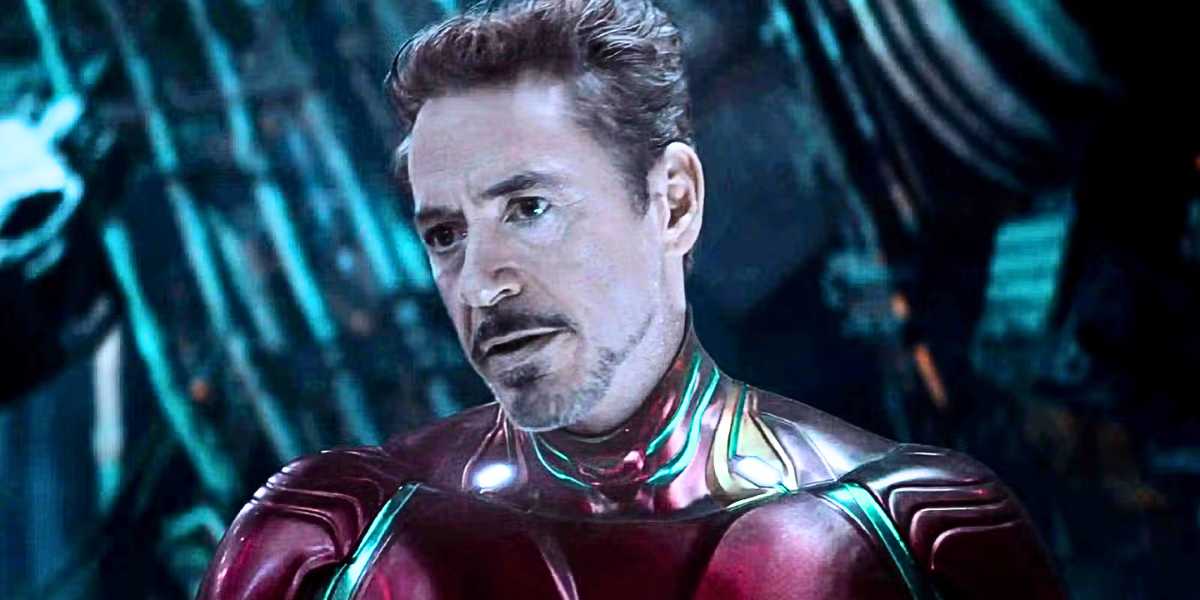
Even amid lingering uncertainty, Avengers: Doomsday is widely viewed as a centerpiece of Marvel’s next chapter. Designed as a large-scale crossover event, the film is expected to unite multiple characters while pushing forward the overarching narrative that has been building across recent phases.
This comes at a time when conversations about superhero fatigue continue to surface. Some recent Marvel projects have struggled to match the critical and commercial heights of earlier entries, prompting questions about whether the franchise can still generate the kind of shared cultural experiences it once did. Doomsday is positioned as a response to those concerns.
Rather than serving as just another sequel, the film is being framed as a major cinematic event. Adding to the intrigue is the return of Robert Downey Jr.—this time stepping into the role of Victor Von Doom—an unexpected twist that has already sparked widespread interest.

Despite ongoing debates about the MCU’s direction, confidence in Doomsday appears strong within the industry. Reports suggest that both insiders and competing studios are treating the film as a leading candidate to top the global box office in 2026.
That level of optimism underscores the enduring strength of the Avengers brand. Previous ensemble entries like Avengers: Infinity War (2018) and Avengers: Endgame (2019) achieved massive success worldwide, and the return of the Russo Brothers to direct Doomsday and Avengers: Secret Wars (2027) has only fueled expectations.
If projections hold, Doomsday could outpace other major releases scheduled for the same year, reinforcing the idea that Marvel’s large-scale storytelling still resonates when executed at its highest level.
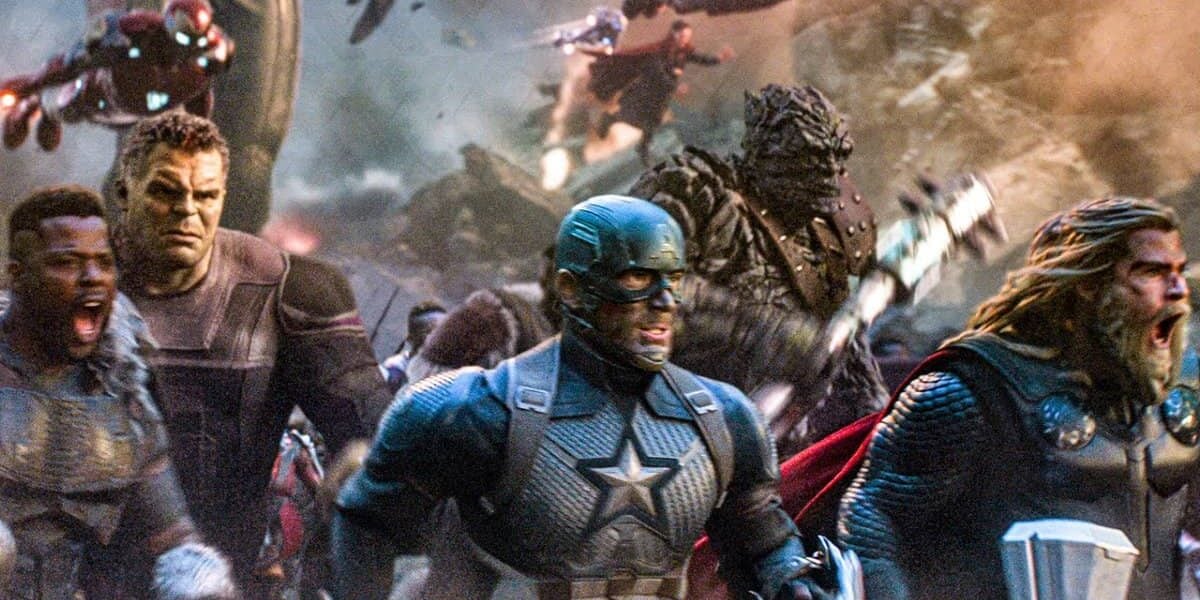
One of the key challenges facing the film lies in the complexity of the modern MCU. With numerous storylines spanning films and Disney+ series, keeping track of every character and plot point has become increasingly difficult for casual viewers.
That raises an important question: can Doomsday strike a balance between accessibility and depth? Entertainment insider Alex Perez offered insight into how audiences might respond:
“General moviegoers are going to love the cameos and fan service to pop culture references, but are mainly going to be confused if they haven’t kept up with a lot of the characters in the movies,” Perez wrote on The Cosmic Circus. “Fans are going to be left with jaws on the floor, weeping, probably pissed at Marvel, citing ‘multiple character assassinations,’ only to say that they loved it after the initial shock.”
“Overall, the main question I see everyone asking is, ‘Uh… aren’t they supposed to be good guys?’” the reporter concluded.
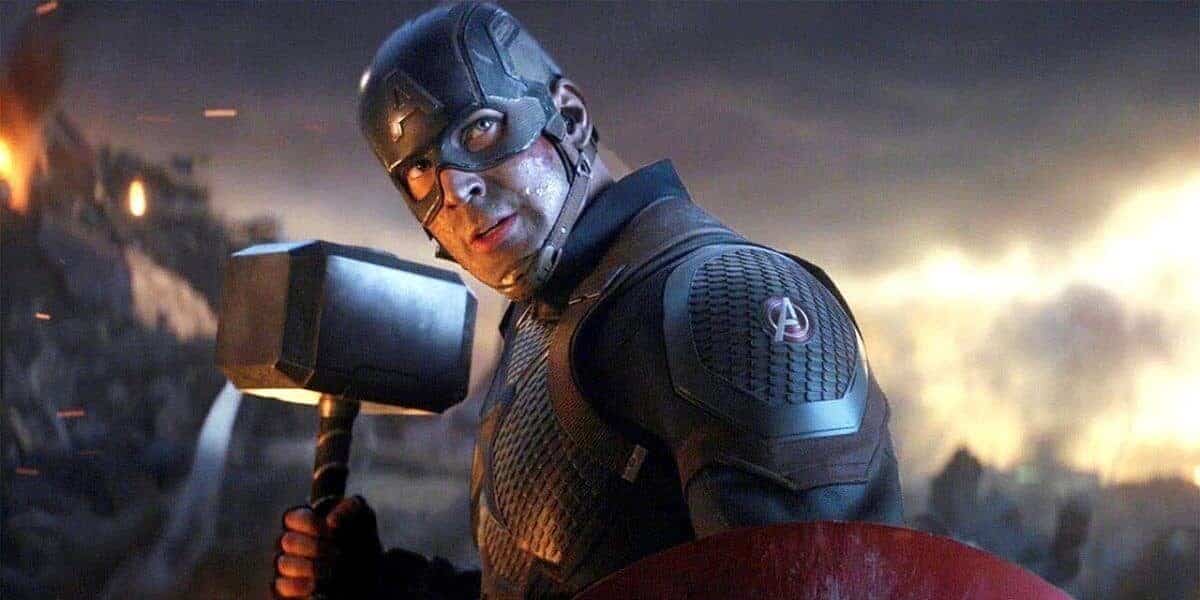
The comments suggest a film that may challenge expectations, potentially pushing characters into morally gray territory and forcing audiences to reconsider long-standing assumptions. If those early impressions prove accurate, Avengers: Doomsday could take bold creative swings. Emphasizing emotional upheaval and unexpected character arcs may generate strong reactions, both positive and negative.
This approach carries inherent risks. Significant shifts in tone or character behavior can alienate viewers if not executed carefully. At the same time, those risks are often what lead to the most impactful storytelling moments.
Marvel’s past success has often come from blending spectacle with emotional resonance. The question now is whether Doomsday can maintain that balance while also evolving the formula enough to feel fresh.

Beyond its narrative, Avengers: Doomsday represents a turning point for Marvel Studios as a whole. The company is actively reshaping its approach, placing greater emphasis on quality, cohesion, and long-term storytelling.
The film is expected to play a central role in setting up future crossover events and defining the direction of the MCU moving forward. As a result, its performance—both critically and commercially—could have far-reaching implications.
For now, Avengers: Doomsday remains firmly on Marvel’s release calendar, even as speculation about its development continues. At the same time, industry projections point to a film poised to dominate the box office and generate significant conversation.

Whether it ultimately meets those expectations will depend on its ability to satisfy longtime fans while remaining accessible to broader audiences. What seems clear is that when Doomsday arrives, it will command attention.
How do you think Avengers: Doomsday will go down with fans? Let us know in the comments down below!