Marvel Studios may be positioning Avengers: Doomsday (2026) as one of the defining cinematic events of the decade, but its path to release is already proving more complex than a standard blockbuster rollout.
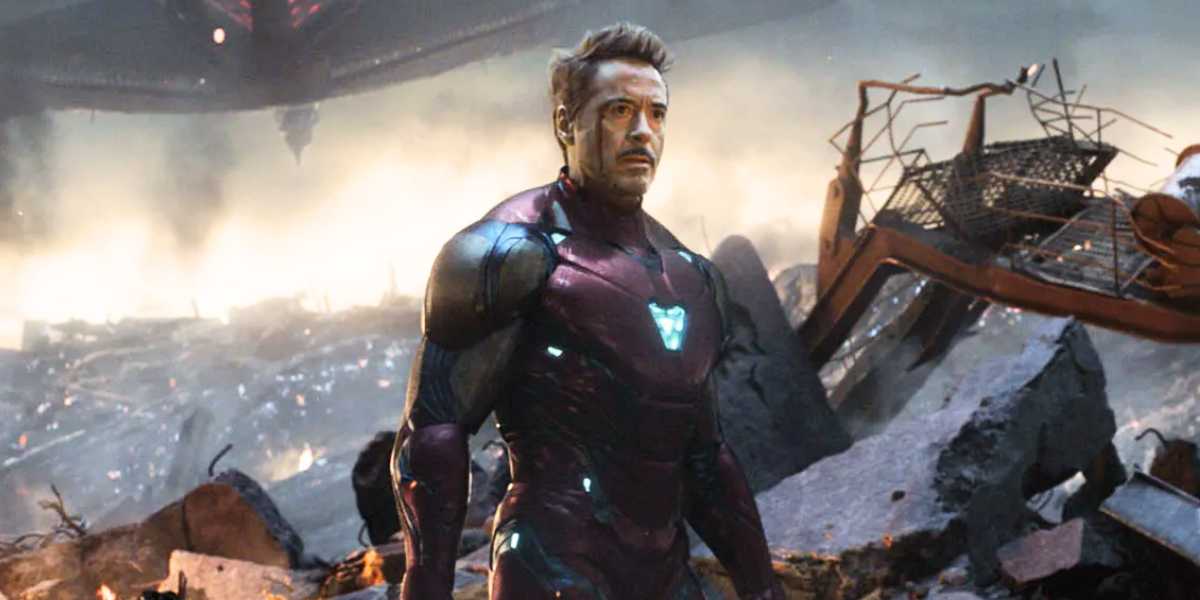
The ensemble feature, which is expected to play a central role in the latter half of the Marvel Cinematic Universe’s Multiverse Saga, has entered a key stage of production. Cameras are once again rolling in London as the studio conducts additional photography. While this is a routine step for large-scale Marvel productions, it often signals a broader effort to refine narrative clarity, pacing, and tonal consistency.
For a film tasked with balancing a sprawling lineup of heroes and Multiverse variants, that refinement may prove essential. Recent MCU entries have faced heightened scrutiny from audiences regarding narrative density and continuity complexity, increasing the importance of delivering a streamlined theatrical experience.
At the same time, attention is increasingly shifting beyond production and toward the calendar itself. Avengers: Doomsday is currently dated for December 18, 2026, but industry reports suggest Marvel is weighing a potential adjustment, with December 11 emerging as a possible alternative.

The change would be modest on paper, but strategically significant. Warner Bros. has scheduled Dune: Part Three (2026) for the same December 18 frame, setting up a direct box office collision between two major franchise releases. While both are expected to perform strongly, the overlap introduces logistical complications that extend beyond traditional competition.
One of the most pressing concerns is premium large-format access, particularly IMAX. In the modern theatrical market, IMAX screenings contribute substantially to opening weekend performance and long-tail revenue, often influencing audience repeat viewings and higher ticket yields.
Reports indicate that Dune: Part Three has secured an exclusive IMAX window for several weeks following its debut. If that exclusivity holds, Avengers: Doomsday could be locked out of IMAX screens until well into January 2027, a scenario that would significantly impact its initial momentum.
From a strategic standpoint, a one-week shift forward could allow Marvel to avoid that bottleneck entirely, ensuring a stronger IMAX rollout before Dune’s exclusivity window begins.
Recent changes to the December 2026 release calendar have only intensified speculation. Sony Pictures recently moved its next Jumanji installment from December 11 to December 25, effectively clearing the mid-December slot. That repositioning has created what analysts view as an open runway for Marvel, should it choose to act.
Despite the speculation, no official change has been announced. Current indications suggest Marvel is continuing to evaluate its options while maintaining its publicly stated release plan.
The conversation has also been amplified by the start of CinemaCon in Las Vegas. Disney has already showcased promotional material on the show floor that continues to reflect the December 18 release date, per reports. The poster, consistent with earlier marketing, signals that Marvel is not yet ready to publicly pivot its schedule.
That stance leaves the studio and Warner Bros. on a potential collision course, with some observers already referring to the matchup as “Dunesday,” a shorthand capturing the unusual overlap of two large-scale franchise entries. The comparison has also revived memories of 2023’s “Barbenheimer” event, though analysts note the audience overlap between these franchises is more substantial, creating different box office dynamics.

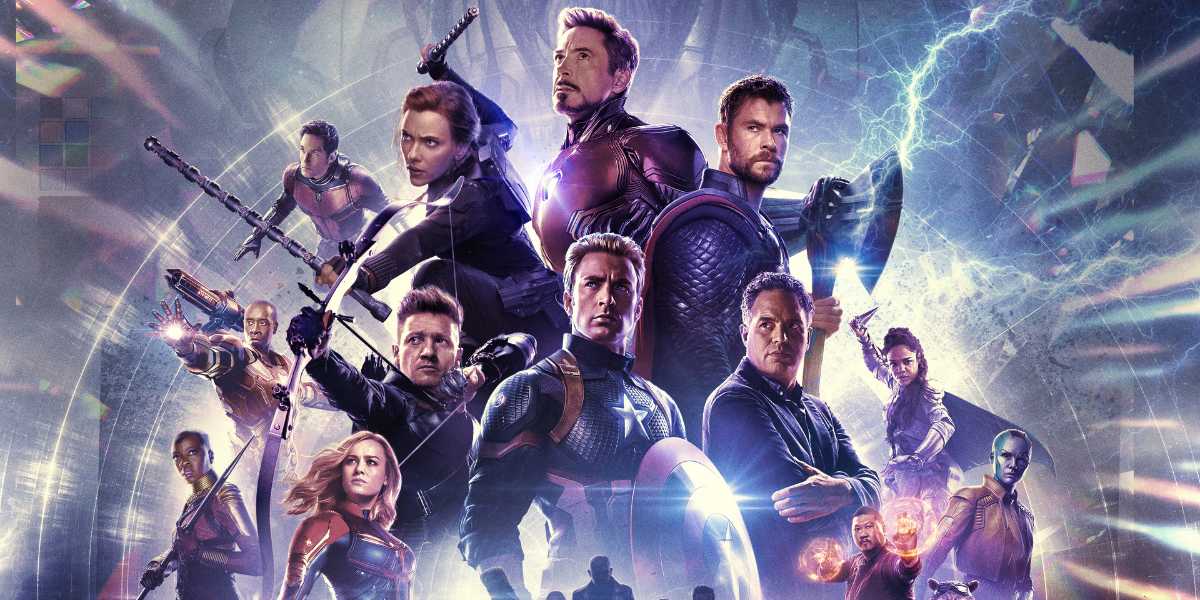
The stakes for Marvel are particularly high given the film’s narrative and franchise positioning. Directed by Anthony and Joe Russo, Avengers: Doomsday is expected to serve as a major convergence point for the MCU’s Multiverse storylines, assembling characters from across timelines and previous franchise arcs.
The Russos previously helmed Avengers: Infinity War (2018) and Avengers: Endgame (2019), two of the highest-grossing films in history. Matching that performance in a more fragmented theatrical landscape presents a significant challenge, particularly as recent Marvel releases have seen more varied box office results.
As a result, Doomsday is being viewed not only as a tentpole release but also as a broader indicator of Marvel Studios’ current theatrical strength heading into the next phase of its interconnected storytelling strategy.
Beyond scheduling and industry positioning, anticipation among audiences remains elevated. Ongoing speculation continues to circulate around the plots of legacy character returns, including the confirmation of Chris Evans reprising his role as Steve Rogers. Additional attention is also focused on how the film may set up 2027’s Avengers: Secret Wars, which is expected to further expand the Multiverse framework.

With its ensemble casting, franchise-culmination potential, and Multiverse-scale storytelling, Avengers: Doomsday is positioned as a pivotal entry in the MCU’s long-term plan.
Still, the question of timing remains unresolved. Whether Marvel ultimately adjusts its release strategy or maintains its current December 18 date, the film is already shaping up to be one of the most closely watched studio releases of 2026.
As CinemaCon continues and the industry awaits clarity, one thing is certain: the countdown to Avengers: Doomsday is no longer just about production—it is about positioning, timing, and the increasingly competitive holiday corridor.
How that plays out against Dune: Part Three may define the closing chapter of 2026 at the box office.