When Bob Iger returned to helm The Walt Disney Company in 2022 after the removal of Bob Chapek, the company’s direction quickly shifted toward consolidation and clarity. Now, in 2026, newly appointed CEO Josh D’Amaro is carrying that philosophy forward—this time with sweeping consequences across both the corporate structure and Marvel’s evolving cinematic strategy.

Iger’s comeback era was marked by a renewed emphasis on core franchises and a recalibration of Disney’s sprawling entertainment empire. Animated pillars like Toy Story and Frozen were placed back at the forefront, while major divisions—including Marvel Studios under Kevin Feige—were reassessed for efficiency and long-term sustainability.
Marvel, in particular, had spent years attempting to balance theatrical storytelling with an aggressive expansion into Disney+. Beginning in 2021, the studio leaned heavily into interconnected narratives across film and television. The approach, however, proved challenging. Some Disney+ series struggled to resonate with audiences, while others were simply overlooked, creating a fragmented viewing experience.
For moviegoers, that fragmentation translated into hesitation. The sense that key plot points might be locked behind streaming content led some fans to skip theatrical releases altogether, opting instead to wait for films to arrive on Disney+. At the same time, criticism mounted over the studio’s reliance on sequels and familiar characters.
By 2024, Marvel began rethinking its development pipeline. As Brad Winderbaum (Head of Streaming, Television and Animation, Marvel Studios) explained in 2024, the company would transition to a more traditional model—one where projects are not guaranteed to move forward simply because they’ve been initiated.
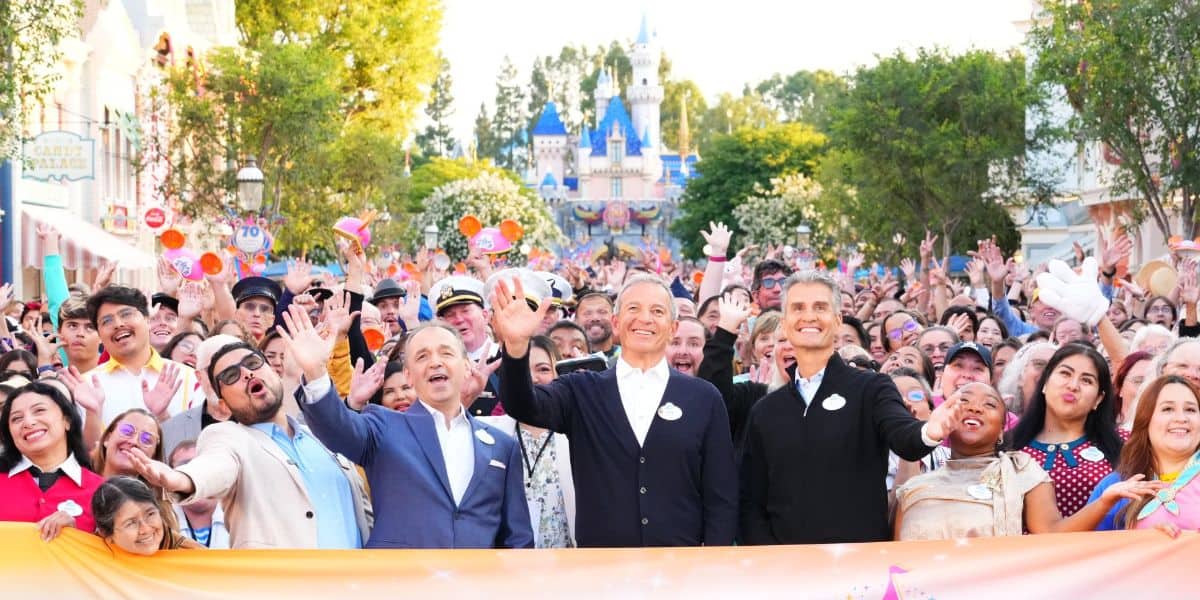
The shift has been evident in the studio’s output. While 2023 delivered three films—Ant-Man and the Wasp: Quantumania (2023), Guardians of the Galaxy Vol. 3 (2023), and The Marvels (2023)—the following year saw just one theatrical release: Shawn Levy’s Deadpool & Wolverine (2024). Although 2025 saw a temporary increase, those titles had already been deep in development prior to the strategic overhaul.
Looking ahead, the Marvel slate appears significantly leaner. This year brings Spider-Man: Brand New Day (2026), a collaboration between Sony Pictures and Marvel Studios, alongside Avengers: Doomsday (2026). Beyond that, Avengers: Secret Wars (2027) stands as the only confirmed theatrical release on the horizon.
On the television side, VisionQuest is expected later this year, joining Wonder Man and the ongoing second season of Daredevil: Born Again. The message is clear: Marvel’s recalibration is no longer theoretical—it’s actively reshaping the franchise. And now, that recalibration is extending beyond content into Disney’s workforce.

In one of the most significant decisions of his tenure so far, D’Amaro has initiated layoffs affecting approximately 1,000 employees across the company. The move, which had circulated as industry speculation, has now been confirmed, with notifications already underway.
In an internal memo later shared publicly, D’Amaro acknowledged the weight of the decision, emphasizing a measured and respectful approach. Even so, the scale of the layoffs underscores the depth of Disney’s current restructuring efforts.
The cuts are primarily concentrated within marketing, though multiple divisions are impacted. Disney is also eliminating a number of unfilled roles, a move designed to reduce the need for further workforce reductions. Together, these steps point to a broader effort to streamline operations and reallocate resources more strategically.
Company leadership has framed the changes as a response to an evolving entertainment landscape. With shifting audience habits, rapid technological advancement, and increasing demand for cohesive global branding, Disney is aiming to build a more unified and agile organization.
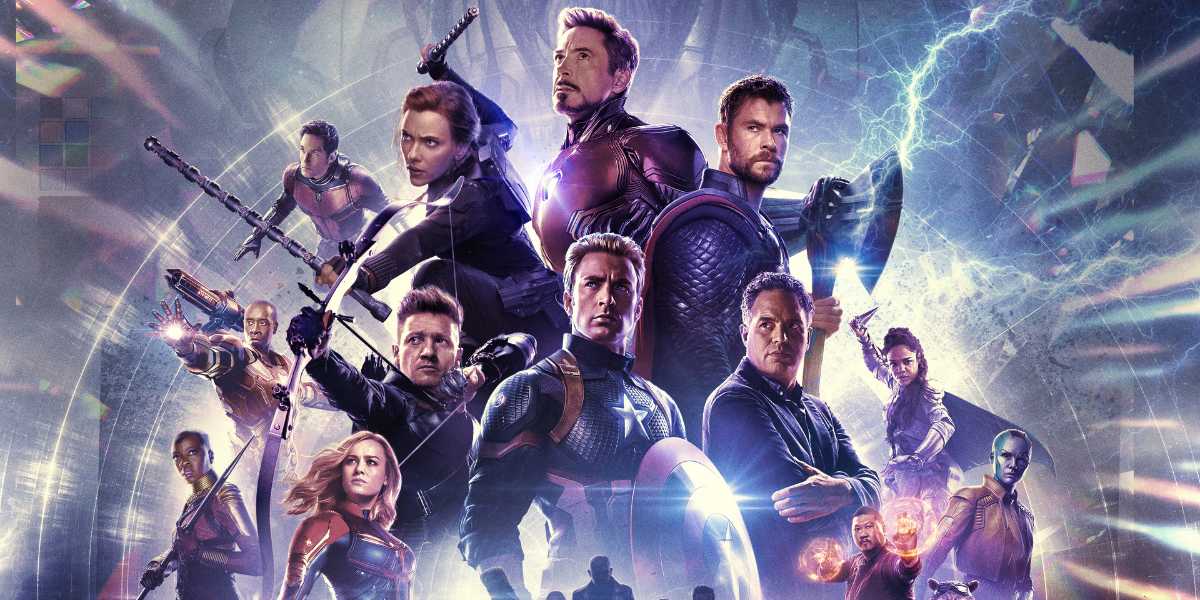
The timing is notable. D’Amaro only stepped into the CEO role earlier this year, following Iger’s transitional return. Previously leading Disney Experiences, D’Amaro was widely viewed as a steady internal successor. This latest move signals a readiness to make difficult decisions early in his leadership.
According to new reporting from The Wrap, Marvel Studios has not been immune to the impact of these layoffs.
“Disney layoffs impacting 1,000 employees got underway Tuesday, affecting several entire divisions of publicity, Marvel and some noted lieutenants of Asad Ayaz, the company’s chief marketing and brand officer,” The Wrap wrote earlier this week.
The report indicates that layoffs extended across Disney’s publicity divisions and included the complete elimination of the home entertainment team. Marvel itself saw reductions across multiple departments.

“Marvel also felt the impact of the layoffs, although Disney disputed a report that the number of impacted reached 8%, telling TheWrap it’s ‘much smaller,'” the report notes. “The layoffs did impact Marvel employees in both Burbank and New York, across most areas of the division–film and television production, along with comics, franchise, finance, and legal.”
The rationale behind these cuts appears closely tied to Marvel’s evolving production strategy. As the studio reduces its overall output, the need for a larger workforce has diminished.
“TheWrap was told this was the result of an overall reduction in Marvel’s film and television production slate, artificially inflated in years past by the desire for fresh product for Disney+,” the outlet explained, “plus efficiencies from the integration of Marvel Entertainment into Marvel Studios and the aforementioned emphasis on operational efficiency and cost management.”

With fewer projects in development and a stronger focus on quality over quantity, Marvel is entering a period of uncertainty. The franchise remains one of Disney’s most valuable assets, but its future direction is still taking shape.
What’s clear is that Disney, under D’Amaro, is entering a new phase—one defined by tighter control, fewer releases, and a reimagined approach to storytelling and operations. Whether audiences will embrace this evolution remains an open question.
Where do you feel the future of the MCU is headed? Let us know in the comments down below!