

The concept of the “flash mob” was once a lighthearted internet novelty, characterized by coordinated public dances or quirky pranks.
Today, that digital phenomenon has mutated into a severe public safety crisis. Across the United States, major cities and entertainment districts are struggling to contain “teen takeovers”—sudden, massive gatherings of young adolescents organized entirely via social media that rapidly deteriorate into property destruction, looting, and extreme physical violence.
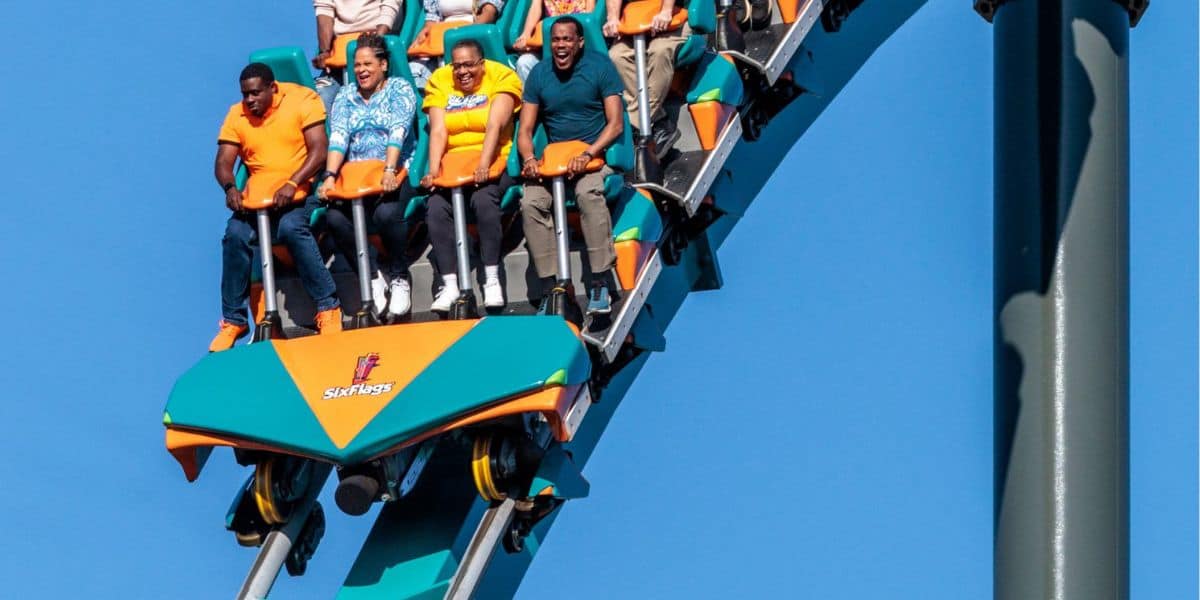
As the country transitions into the high-traffic summer travel season of 2026, this volatile trend is no longer confined to urban street corners and local shopping malls. Instead, violent teen takeovers have officially spilled over into the theme park world, threatening the safety of millions of vacationing families. With school districts letting out across the nation, law enforcement agencies and amusement park operators are bracing for a challenging summer of coordinated chaos.
A Coast-to-Coast Wave of Violence: Inside the National Trend
The rapid escalation of these events was recently spotlighted in a national investigative report by NBC News. The broadcast revealed that what began as rowdy adolescent meetups has evolved into a deeply organized, nationwide threat that catches local communities completely off guard.
According to data compiled by law enforcement, the digital blueprint for these takeovers relies heavily on algorithmic amplification on platforms like TikTok and Instagram. Using no-cost AI image generators, tech-savvy teenagers are producing professional event flyers and distributing them across regional group chats. Within hours, thousands of minors converge on a singular location with a shared objective: to cause maximum disruption for digital clout.
The real-world consequences of these gatherings are turning increasingly dangerous:
- Milwaukee, Wisconsin: Law enforcement officials reported a staggering breaking point when authorities were forced to respond to a massive weekend wave of takeovers. Gatherings at locations like the Bayshore Mall and Moody Park quickly descended into mass brawls, reckless driving, and active gunfire, leading to 13 high-profile arrests.
- Metro Detroit, Michigan: The trend has rapidly metastasized out of urban centers into suburban communities like Pontiac, where city leaders and Oakland County deputies recently had to saturate downtown corridors after a massive gathering was actively promoted online.
- Tampa, Florida: Earlier this seasonal cycle, body camera and aerial footage captured chaotic scenes at local recreational spaces, forcing police to execute multi-person juvenile arrests and seize loaded firearms from minors.
Chaos on International Drive: The ICON Park Crisis
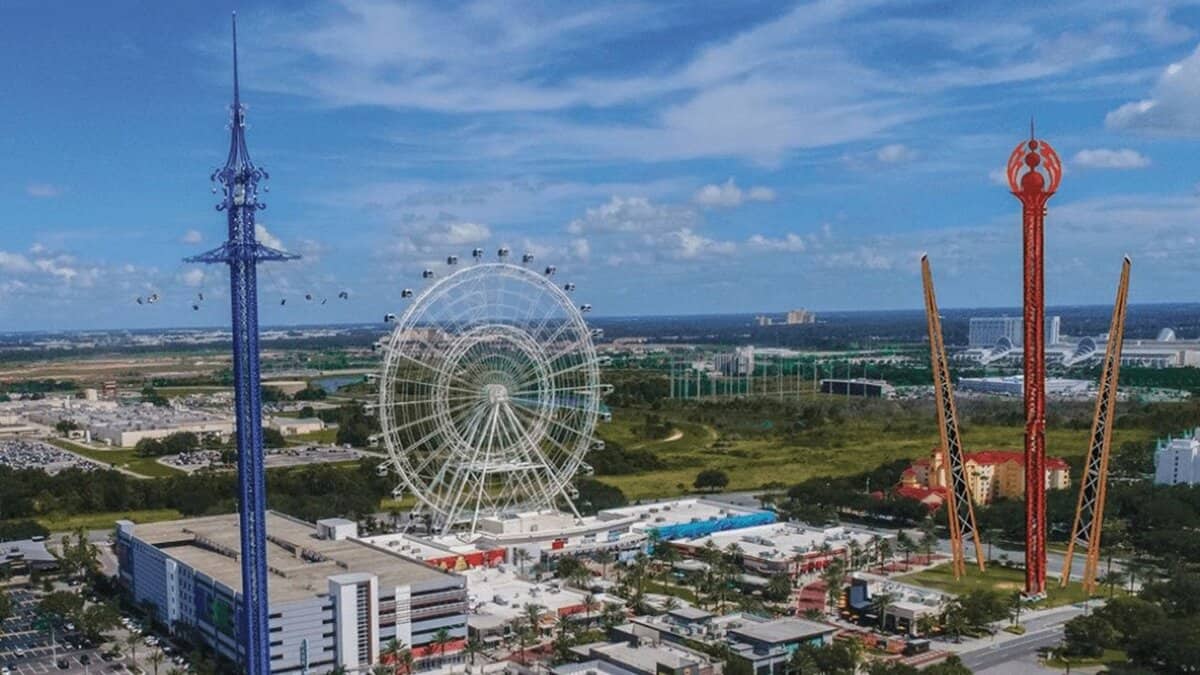
The most alarming development for the tourism industry occurred in the heart of Orlando, Florida—the undisputed theme park capital of the world. On April 25, 2026, the intersection of social media trends and amusement park vulnerability erupted into open violence at ICON Park, a prominent open-air entertainment plaza on International Drive known for the massive Orlando Eye observation wheel.
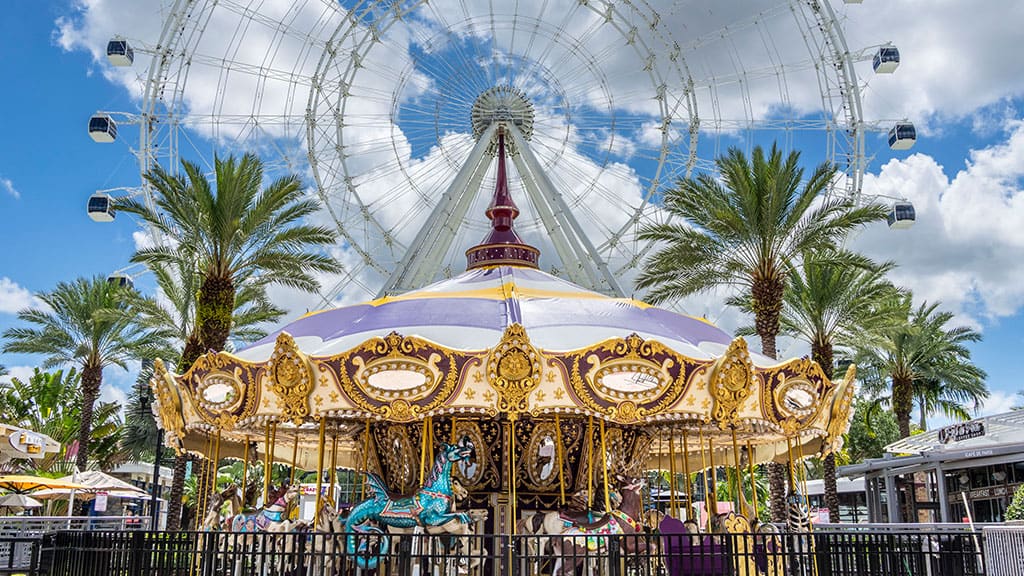
Without warning, more than 1,000 teenagers flooded the property after a takeover flyer circulated online. Within minutes, the manicured walkways under the Ferris wheel turned into a battleground. Swarms of adolescents began running wildly, screaming, and instigating violent fights across the main lawn.
The scale of the crowd triggered immediate panic among visiting tourists, many of whom were traveling with small children. Witnesses described a scene of pure terror, with families scrambling into nearby restaurants and shops, begging employees to lock the doors.
It required an emergency deployment of more than 50 Orange County Sheriff’s Office (OCSO) deputies to break up the fights and safely disperse the crowd.
Ultimately, nine juveniles between the ages of 13 and 16 were arrested, facing severe charges including affray, trespassing, and battery on a law enforcement officer. Two responding deputies suffered injuries serious enough to require hospitalization.
The Summer Perfect Storm: Why Theme Parks Are the Ultimate Targets
As reported by Inside the Magic, law enforcement agencies across Central Florida—including the OCSO and the Orlando Police Department (OPD)—are shifting into an aggressive defensive posture. Intelligence units have confirmed they are actively monitoring social media for a fresh wave of rumored “takeover” events heading into the June holiday rush.
The timing of this trend could not be worse for the amusement industry. Historically, theme parks, boardwalks, and entertainment districts experience a massive surge in local teenage attendance between late May and early September. However, the structural realities of modern theme parks make them uniquely vulnerable to the teen takeover playbook.
Amusement hubs feature expansive promenades, easily identifiable geographic landmarks perfect for digital meetups, and a built-in audience of tourists. For a teenager seeking internet notoriety, capturing video of a chaotic brawl with a world-famous attraction or a neon-lit midway in the background provides the ultimate recipe for a viral social media post.

The sudden influx of hundreds of kids at once makes it incredibly difficult for standard security checkpoints to maintain control, providing anonymity to those looking to commit acts of vandalism or violence.
Defending the Gates: Chaperone Policies and Digital Surveillance
Faced with recurring threats, tourist hubs are making major shifts in how they manage security. Following the April riot, ICON Park leadership immediately enacted a strict Youth Chaperone Policy. Under the new guidelines, all visitors under 18 must be accompanied by a parent or legal guardian over 21 after 6:00 p.m. on Fridays, Saturdays, and Sundays.
“We are not just protecting people; we are protecting the region’s brand as a safe haven for families.” — Law Enforcement Briefing
Moving forward, the battle against teen takeovers will be fought heavily in the digital space. Police are increasing their physical presence at major regional hubs—including Universal CityWalk, Disney Springs, and International Drive—while specialized cyber-units actively track hashtags and invitation-only groups where these swarms are organized.
Theme parks are no longer just spaces of curated family escapism; they are on the front lines of a modern cultural and technological battleground. For families planning their summer vacations, the message from both local police and corporate park operators is uniform: heightened security, strict weekend curfews, and zero-tolerance policing will be the new normal to keep the gates safe from the threat of the digital mob.




Shoot first and ask questions later. Permanently eliminating hostile individuals whose only goal is to cause chaos seems like a logically thing to do. What type of people do you want living by you, those that want to see you suffer of those that take care of you and respect the law. I few mass deletions would make any criminal group think twice before they takeover anything else. Why do we have all these second amendment rights if we are not using it to bring peace and freedom to our country.