Upcoming ‘Star Wars’ Movie Given Low Rating as Release Concerns Grow

Lucasfilm is entering a new phase with Star Wars, and the shift is happening in a way that feels both deliberate and revealing. At the center of it all is The Mandalorian and Grogu (2026), a project that reflects a broader recalibration of how the franchise will evolve across both storytelling and distribution.
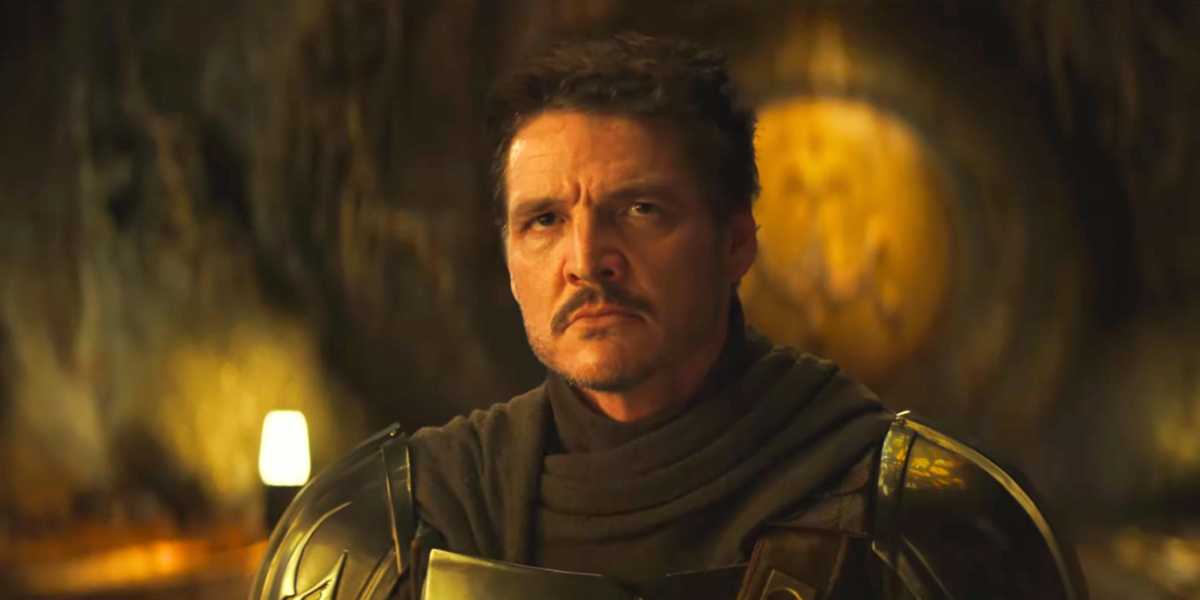
When The Mandalorian debuted in 2019, it was positioned as the flagship series for Disney+, setting the tone for the platform’s original programming ambitions. What followed exceeded expectations.
The series introduced audiences to Pedro Pascal’s Din Djarin and the now globally recognized Grogu, forming a character-driven narrative that quickly became a defining pillar of modern Star Wars. Its success opened the door to a network of interconnected series, including The Book of Boba Fett, Ahsoka, and Skeleton Crew, all contributing to a larger narrative framework.
That original roadmap, however, is no longer as clear-cut.
Rather than continuing with a fourth season of The Mandalorian, Lucasfilm has chosen to pivot toward theatrical storytelling. The Mandalorian and Grogu is not simply an extension of the Disney+ series—it is effectively stepping in as the next major chapter. Reports indicate that scripts for Season 4 were already in development, making this transition less about necessity and more about strategic redirection.
The move signals a return to cinemas after a multi-year absence. Since Star Wars: Episode IX–The Rise of Skywalker premiered in 2019, the franchise has focused heavily on streaming content. Now, under the direction of Jon Favreau and with a script co-written alongside Dave Filoni and Noah Kloor, Star Wars is repositioning itself for the theatrical space.
The film is expected to continue Din Djarin and Grogu’s journey while maintaining connections to the New Republic era and lingering Imperial threats, though with a more contained narrative approach.
Its PG-13 rating—citing “sci-fi violence and action”—reinforces that, while the format may be shifting, the tone remains consistent with previous theatrical entries. The franchise is not attempting to redefine itself in terms of audience accessibility. Instead, it is doubling down on what has worked: character-focused storytelling paired with large-scale action.
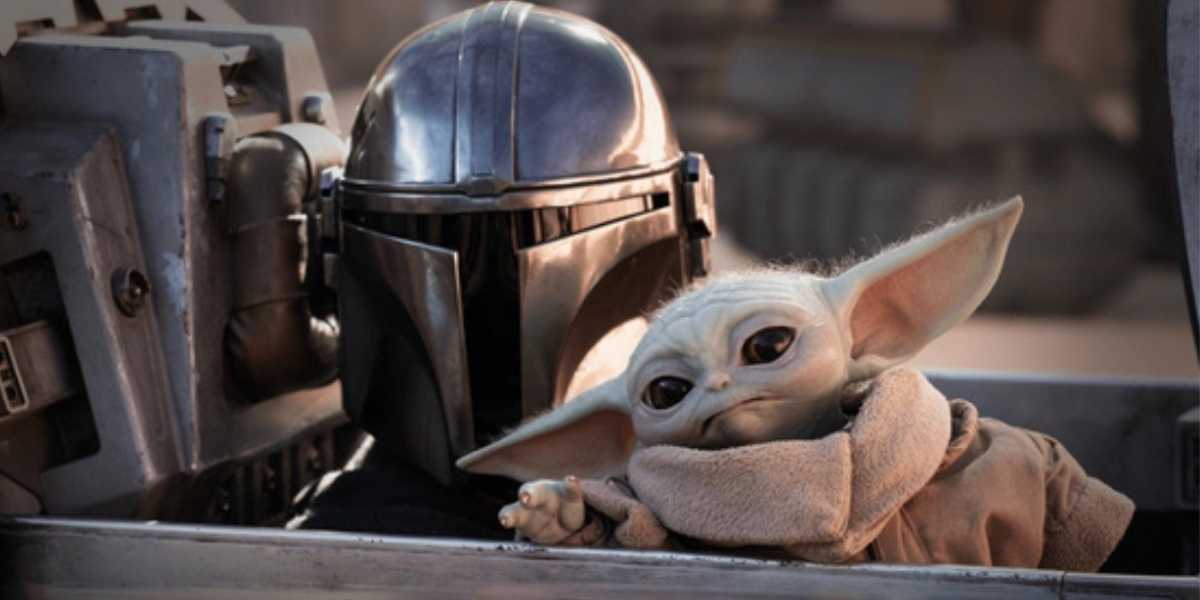
That emphasis on character is crucial. At its core, The Mandalorian and Grogu continues to center on the relationship between its two leads. The bond between Din Djarin and Grogu has been the emotional anchor of the series, and early indications suggest that this dynamic will remain front and center.
Even as the scope expands for the big screen, the story appears grounded in that personal connection. Still, the shift to theaters introduces new variables.
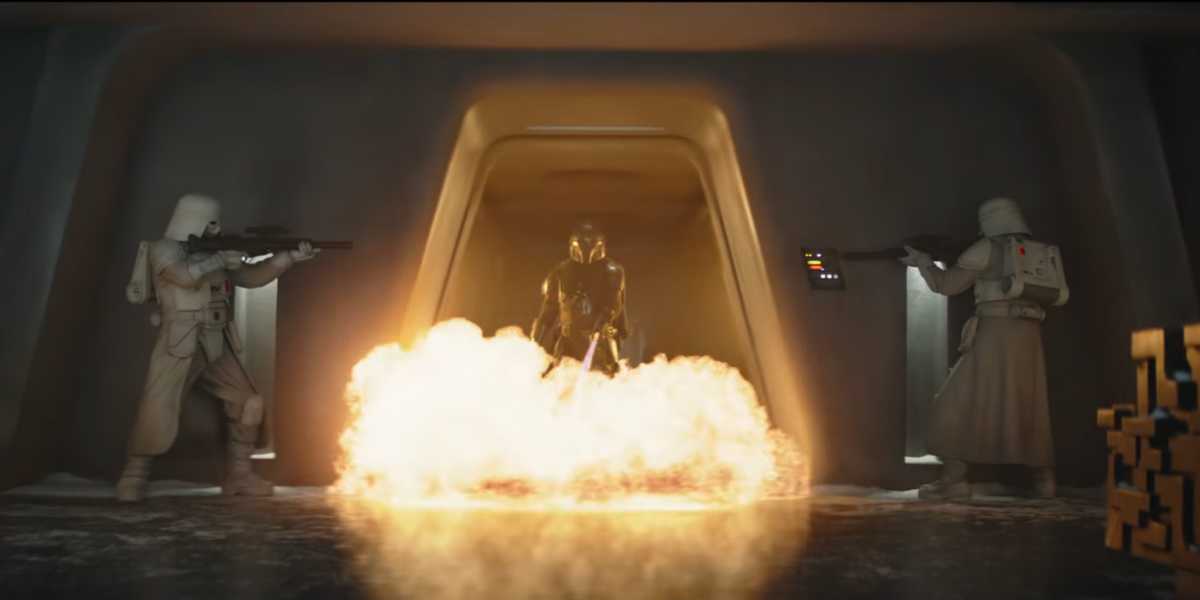
Early tracking suggests a domestic opening in the $70–85 million range, a figure that falls below the typical expectations for Star Wars theatrical releases. However, the reported production budget of approximately $166 million offers some insulation, lowering the financial threshold for success.
In many ways, the film represents an experiment: can a story that originated on streaming command the same attention in cinemas?
This question becomes even more significant when considering the broader franchise landscape. Beyond The Mandalorian and Grogu and Ahsoka Season 2, the once clearly mapped-out Mando-Verse appears to be less defined. Announcements have slowed, and the large-scale crossover event that many anticipated may no longer be unfolding in the same way.
As a result, this film carries weight beyond its narrative.
It functions as a test case for the future of Star Wars. Its performance could influence whether Lucasfilm continues to prioritize theatrical releases or leans further into serialized streaming content. In that sense, the stakes extend far beyond box office numbers—they touch on the long-term identity of the franchise.
What remains certain is that Din Djarin and Grogu are no longer confined to streaming. Their story has become the focal point of Star Wars’ next era, one that blends familiar elements with a recalibrated approach to storytelling and audience engagement.
The Mandalorian and Grogu features a mix of returning fan-favorite characters and notable new additions, led by Pedro Pascal as Din Djarin, the helmeted Mandalorian bounty hunter navigating a new role working with the New Republic. His performance continues to be supported physically by stunt doubles, while the film further explores the character’s evolution—including selective moments without his helmet.
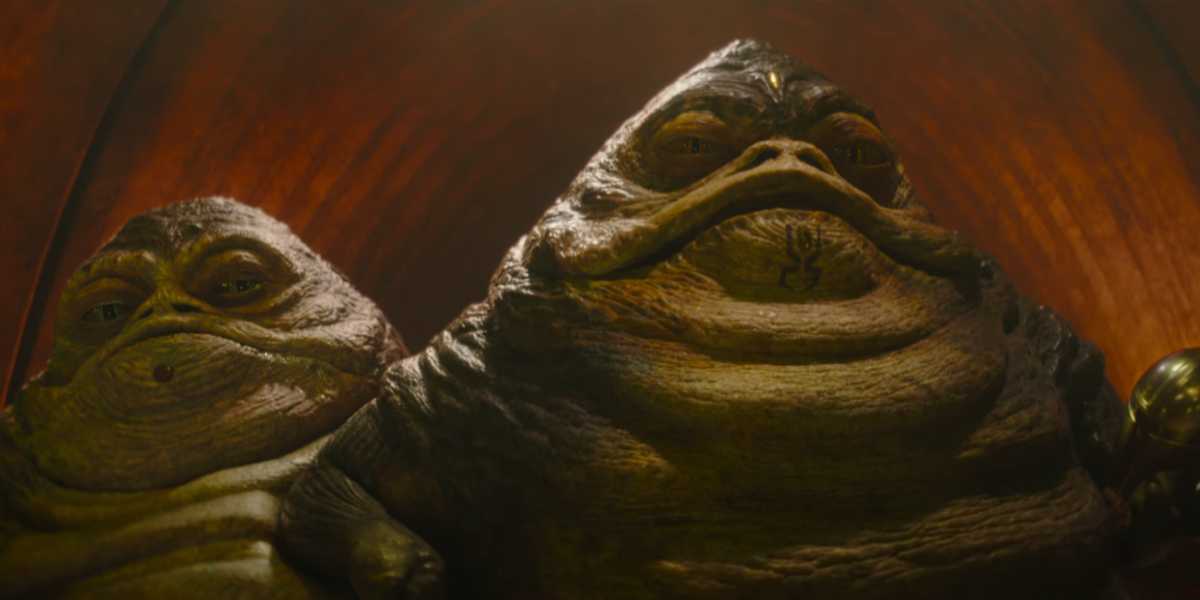
Alongside him is Grogu, the Force-sensitive child brought to life through a blend of animatronics, puppetry, and visual effects, whose emotional presence remains central to the story. The cast expands with Sigourney Weaver as New Republic colonel Ward leading the Adelphi Rangers, and Jeremy Allen White voicing Rotta the Hutt, a more physically imposing and combat-ready successor to Jabba.
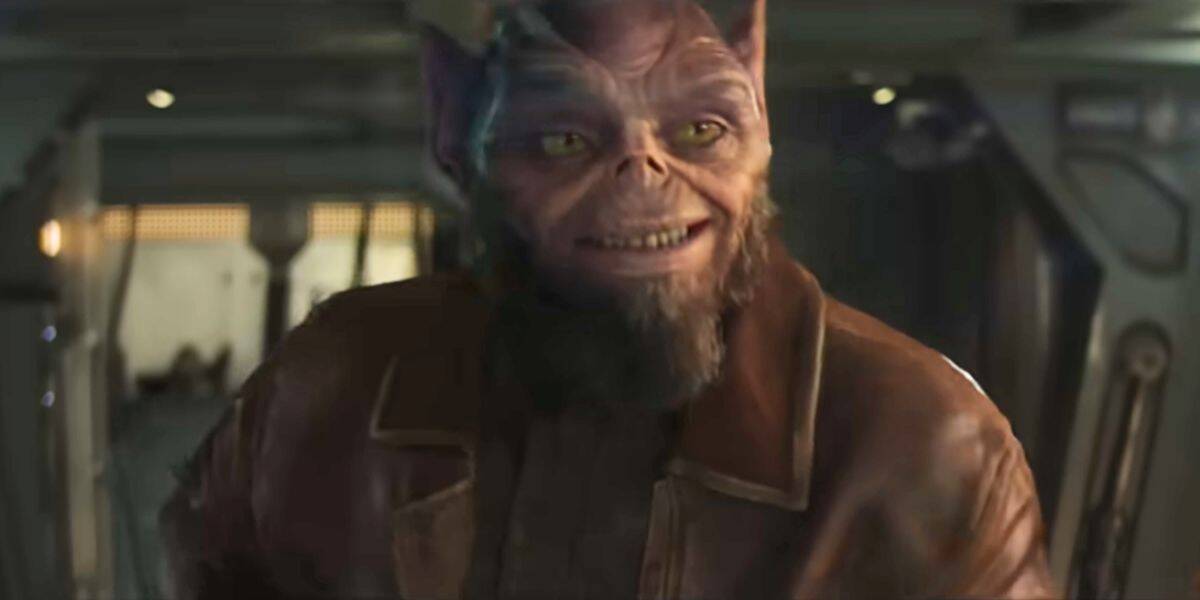
Returning Star Wars players include Jonny Coyne, Dave Filoni reprising his role as Trapper Wolf, and Steve Blum as Zeb Orrelios, alongside appearances from familiar species and characters across the galaxy. The ensemble is rounded out with unique additions, such as Martin Scorsese lending his voice to a shopkeeper and Matthew Willig portraying Hogsbreth, reinforcing the film’s blend of legacy connections and fresh faces.
How do you feel about the upcoming Mandalorian movie? Let us know in the comments down below!