

The logistical landscape of Walt Disney World transportation has officially entered a new era. Following the implementation of strict new policies this summer, the days of using Disney Springs as a free, open-ended transit hub are definitely over. But as the dust settles on this massive operational shift, a new, unforeseen issue is emerging.
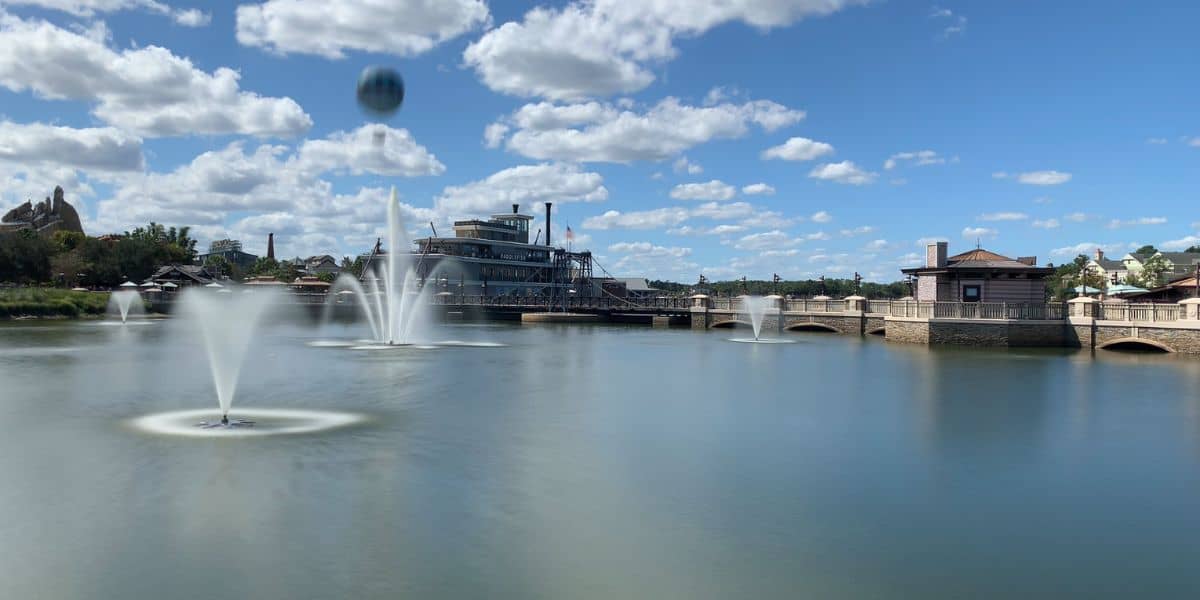
Designed to curb the unauthorized use of complimentary resort transit, the new ban severely restricts who can hop on outbound buses and watercraft. While the policy has successfully cleared the crowds of day guests who used the shopping district as a free-parking loophole, it may have created an entirely new problem: buses and boats running empty. Now, regular park-goers and industry experts are wondering if the ban is actually working too well, potentially paving the way for reduced routes, a smaller active fleet, and longer wait times for the legitimate resort guests the policy was supposed to protect.
The Background: Locking Down Disney Springs
To understand the current “ghost town” vibe at the Disney Springs bus loops, we have to look back at the major policy shift enacted earlier this season. In late June 2026, Walt Disney World officially updated its website and on-the-ground operations to formalize permanent restrictions on outbound transportation.

The new rules are explicit. Guests wishing to board a bus heading directly to a Disney Resort hotel, or those looking to take the Sassagoula River Cruise ferry to Disney’s Port Orleans Resort, Disney’s Old Key West Resort, or Disney’s Saratoga Springs Resort & Spa, must definitively prove their eligibility. Acceptable proof includes presenting a valid Disney Resort hotel room key or a confirmed, same-day dining reservation at the specific destination resort.
To enforce this, Cast Members now staff dedicated checkpoints at the entrances to the bus depots and boat docks. They scan MagicBands, mobile wallets, and digital itineraries before guests can even set foot into the loading queues. The primary goal of this intense gatekeeping was to preserve transit capacity for high-spending, on-property consumers. For years, offsite visitors would park for free in the massive Disney Springs parking garages, walk to the bus depot, and catch a ride to a resort adjacent to a theme park. By shutting down this unofficial park-and-ride method, Disney aimed to regulate crowd flows.
Working “Too Well”: The Empty Bus Syndrome
Fast forward to today, and the once-bustling Disney Springs transit hubs are looking remarkably quiet. Recent observations and photo updates shared across social media reveal a startling, almost eerie drop in overall ridership.
According to real-time, on-the-ground reports from guests at the resort, buses are frequently seen departing the Disney Springs depot with only a handful of passengers. In some well-documented instances, buses pull away empty. The Sassagoula River Cruise boats, which used to consistently boast lines stretching back onto the paved walkways of Disney Springs, are now gliding across Lake Buena Vista with rows of empty wooden benches.
By strictly enforcing the reservation and room-key mandates, Disney has effectively eliminated the massive crowds of locals and offsite vacationers who historically relied on the system. However, by filtering out such a large percentage of everyday riders, the company has inadvertently exposed a glaring truth: a substantial portion of its Disney Springs transportation network was being used by non-resort guests. Without them, the system looks wildly overbuilt.
Are Route Cuts and Reduced Fleets Inevitable?
The sudden decrease in passenger volume raises a major logistical question: Will Walt Disney World continue to operate the same number of buses and boats if there is barely anyone left to ride them?
Theme park commentators are already predicting that this drastic drop in demand will inevitably lead to operational cuts. Running a massive fleet of commercial buses and passenger watercraft is incredibly expensive. Fuel, mechanical maintenance, cast member wages, and wear and tear add up quickly. If a bus designed to hold sixty passengers is consistently operating at ten percent capacity, it makes financial and logistical sense for Disney’s transportation planners to scale back the frequency of those routes.
If dispatchers react to this empty-bus syndrome, it means fewer vehicles are assigned to the Disney Springs loops. Instead of sending a bus to a resort every ten to fifteen minutes, dispatch might throttle that frequency back to every thirty minutes to ensure the vehicle is actually full before it departs.
The Unintended Consequences for Legitimate Guests
If route cuts do happen, the very guests Disney sought to protect with this policy might be the ones who ultimately suffer the consequences of its success.

Consider a legitimate resort guest paying top dollar to stay at a Disney hotel. After finishing a late dinner or spending the evening shopping at World of Disney, they head to the bus loop expecting efficient, premium transportation back to their room. If Disney has cut the number of buses running on that route in half because overall property-wide demand dropped, that paying guest might now have to wait thirty to forty minutes for a bus instead of the standard fifteen minutes.
The same painful logic applies to the watercraft network. If the Sassagoula River Cruise drops from four boats in active rotation down to just two, the wait time at the dock exponentially increases for families returning to the French Quarter or Riverside after a long day of shopping.
This creates a highly frustrating paradox for The Walt Disney Company. Management restricted the transportation to make it a better, more exclusive perk for paying resort guests. However, the resulting drop in ridership could easily lead to less frequent, and therefore far less convenient, service.
What Happens Next?
As Walt Disney World transitions into its busy fall holiday season, the transportation logistics team will undoubtedly be analyzing real-time ridership data. If the internal numbers consistently show that the Disney Springs routes are operating severely under capacity, a schedule adjustment is almost guaranteed to follow.

For now, guests with valid hotel reservations and dining plans can enjoy the bizarre serenity of a private, uncrowded Disney bus. But they should also be highly prepared for the possibility that the next time they head to Disney Springs, the wait for a ride back to their hotel might be significantly longer. Disney successfully locked down its transportation network, but the only question now is whether that overwhelming success will ultimately force it to shrink the very service it fought to protect.





Omg, give it a break. Did you ever consider people are paying now for parking, then resort hopping or going to parks. Disney resort guest are happy about this.
Hopefully, Disney is not reacting with the same knee jerk response as the author. Disney as seen the height of summer traveling. Crowds are dwindling- hence the great ticket deals being offered, and expect less traffic. Sure, adjustments may be needed, but that does not mean what is being suggested.
Soooo… Question for us who are staying off site in the DisSprings area. What if we just want to ‘resort hop’ for a quick service meal. Not a TS. But a QS. So no ressie required. If we hop a bus from DS to a resort, will we be able to get in at all… Thanks
Disney should have a daily allotment of tickets for non-resort guests to freely, or at least inexpensively, use transport to resort hop.
We decided to stay on site only after checking out some resorts. Haven’t stayed anywhere else since.
If parking runs typically $35-55 at the theme park and assuming people park at Disney Springs for $0 it doesn’t make any sense to restrict bus and boat usage. Most families typically spend more than $35 a day in Disney parks and hotel hopping so whatever they would be losing in revenue from parking is made up through meals and souveniers. What probably would be better is if they gave hotel guests and people with restaurant reservations priority boarding on the buses and boats that would take care of the problem. I personally think they should get rid of paid parking totally.
As someone who has stayed at virtually every Disney owned resort throughout the years, I find any new policies that restrict any Disney resort guest from visiting any Disney resort or venue to shop, dine, or drink, totally unfair.
I understand the concern about visitors avoiding paying for parking at the parks by parking at Disney Springs but Disney resort guests should not be restricted in any way from enjoying any and all features of Walt Disney World.