Over the summer, the Walt Disney World fan community buzzed over what seemed to be the most consequential refurbishment scoop of the decade. Multiple credible insider blogs and theme park commentators reported that Magic Kingdom’s iconic Space Mountain was preparing to shut down for a massive, multi-year mechanical overhaul.
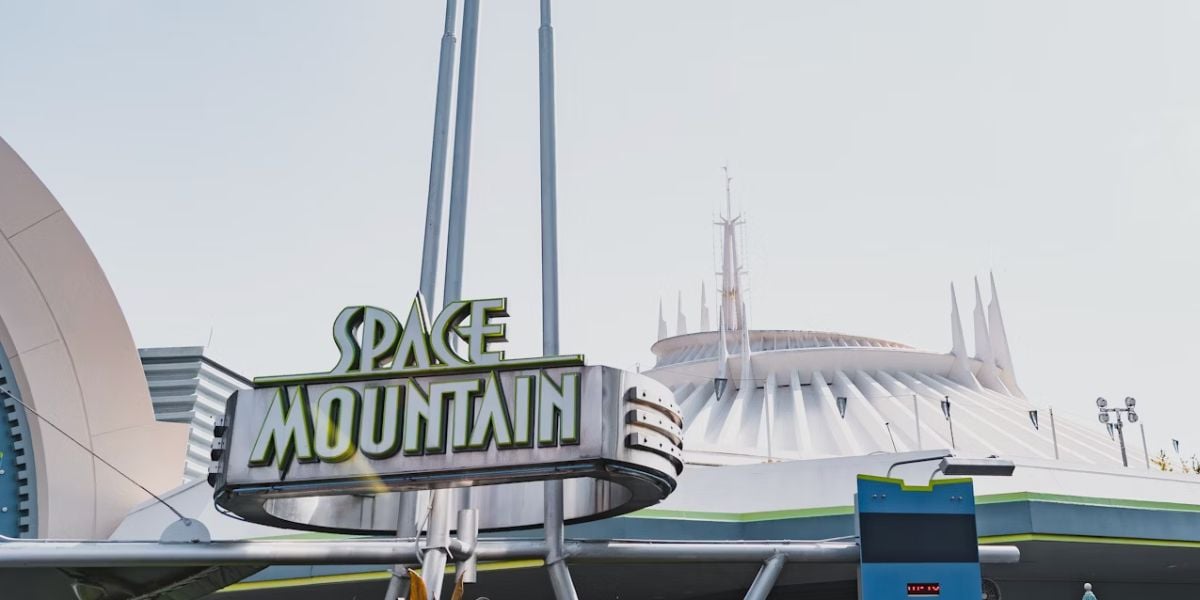
Following in the footsteps of Frontierland’s recently completed, down-to-the-studs track replacement at Big Thunder Mountain Railroad—and mirroring the ground-up demolition and rebuild taking place at Tokyo Disneyland—rumors strongly suggested that Orlando’s 1975 space coaster had reached the end of its structural rope. Speculation pointed directly to August’s D23 event in Anaheim as the stage where Disney Experiences Chairman Josh D’Amaro would drop the bombshell and outline when the rockets would go dark.
Yet months have elapsed since that mid-summer frenzy. Autumn has rolled into the winter holiday season, rockets continue to hurtle through the pitch-black celestial dome every few seconds, and Disney has not said a single word about closing the ride.
With the rumor mill having completely stalled, a glaring question remains: what actually happened to the massive Space Mountain reconstruction project, and why did Disney leave it completely off the map?
Where the Space Mountain Rebuild Rumor Came From
To understand why the Space Mountain rumor gained such intense traction in the first place, you have to look at the coaster’s age, pedigree, and mechanical reality.

Opened in January 1975, Walt Disney World’s Space Mountain is the oldest operating installation of the ride in the world. While its exterior spires remain among the most recognizable architectural silhouettes on the planet, what lies beneath that concrete dome is aging first-generation tubular-steel coaster engineering.
Unlike modern roller coasters that feature smooth, continuous track geometry, Space Mountain’s dual tracks—known colloquially by ride operations as Alpha and Omega—consist of thousands of individual cross-ties, bolts, and welds. The attraction is notoriously rough, prone to frequent downtime, and reliant on exhaustive overnight maintenance to stay operational.
The rumor gained momentum over the summer due to several simultaneous milestones:
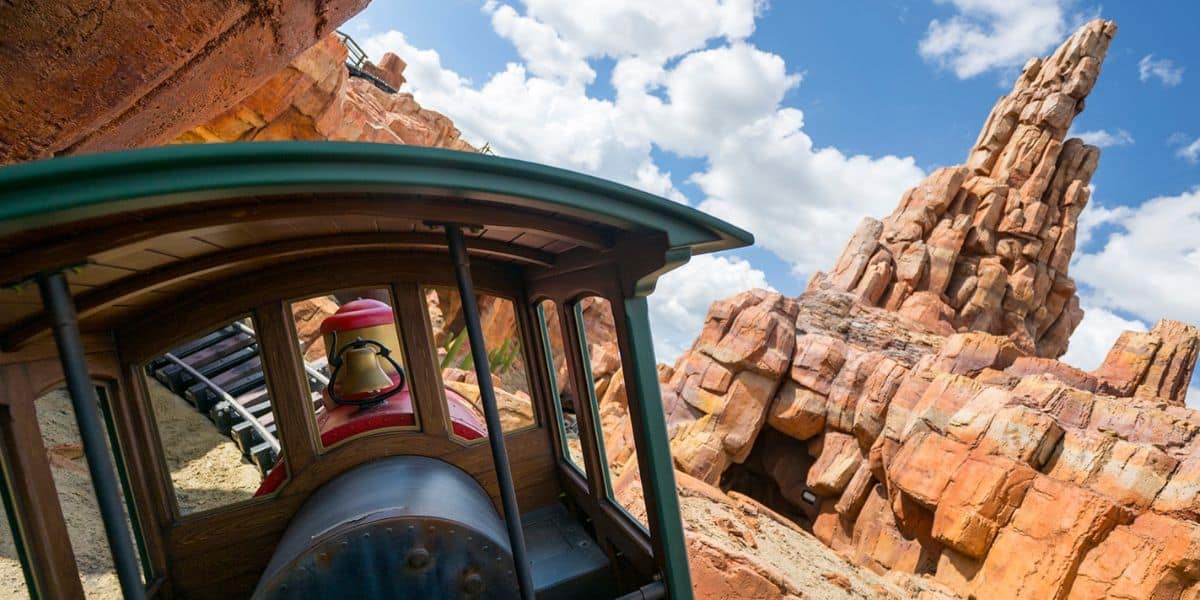
- The Big Thunder Mountain Precedent: Disney had just successfully pulled off a massive, comprehensive mechanical retracking of Frontierland’s Big Thunder Mountain Railroad, which wrapped up its overhaul and reopened to wild acclaim with updated ride systems and a lower height requirement. Having proven it could completely revitalize a 1970s/80s coaster mountain, Imagineering was assumed to have immediately pivoted its heavy-rebuild crews to Tomorrowland.
- Tokyo Disneyland’s Total Rebuild: Overseas, the Oriental Land Company closed Tokyo Disneyland’s 1983 Space Mountain and completely demolished the structure to build a futuristic $380 million replacement slated for 2027.
- Disneyland Paris Heritage Refresh: Around the same time, whispers grew that Disneyland Paris was planning to restore its own coaster to its classic Jules Verne-inspired De la Terre à la Lune roots.
Connecting the dots seemed obvious. If Big Thunder proved extensive track overhauls work, and international parks were overhauling their Space Mountains, Orlando’s original 51-year-old coaster seemed next in line.
What Actually Happened at D23: Four Fan Dreams Come True
When the Disney Experiences showcase kicked off in Anaheim, audiences held their breath for news about Magic Kingdom’s Tomorrowland. But rather than breaking ground on a Space Mountain closure, Disney delivered an entirely different set of announcements.
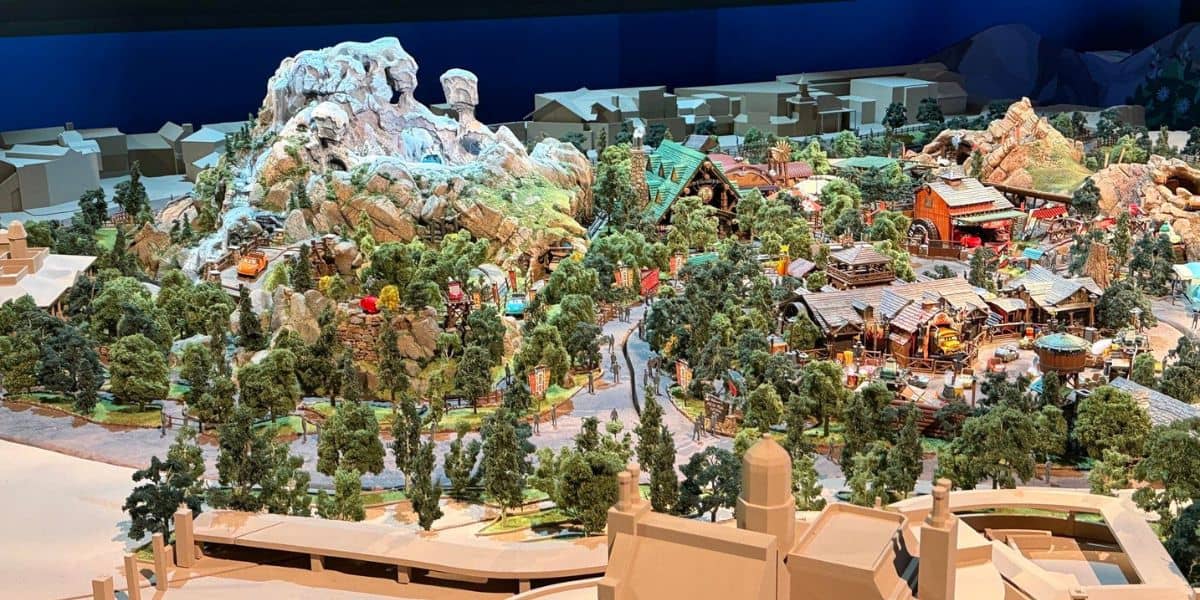
First, Disney utilized the stage not to announce brand-new lands from scratch, but rather to provide progress updates, official attraction names, and timeline milestones on the sweeping multi-year projects already underway:
- Tropical Americas (Pueblo Esperanza): Concrete story details and attraction names were confirmed for the upcoming transformation of Disney’s Animal Kingdom.
- Monstropolis: Further details were revealed about Disney’s Hollywood Studios’ upcoming Monsters, Inc. suspended-coaster district.
- Piston Peak National Park & Villains Land: In Magic Kingdom, Disney unveiled specific details for the Cars off-road rally replacing Rivers of America, along with the two flagship attractions anchoring the upcoming Villains Land.
Instead of a Space Mountain overhaul, Disney surprised the crowd by greenlighting four long-requested, fan-favorite legacy projects:
- A Complete Reimagining of Journey Into Imagination: EPCOT’s beloved pavilion is receiving an overhaul featuring the official return of Dreamfinder alongside Figment.
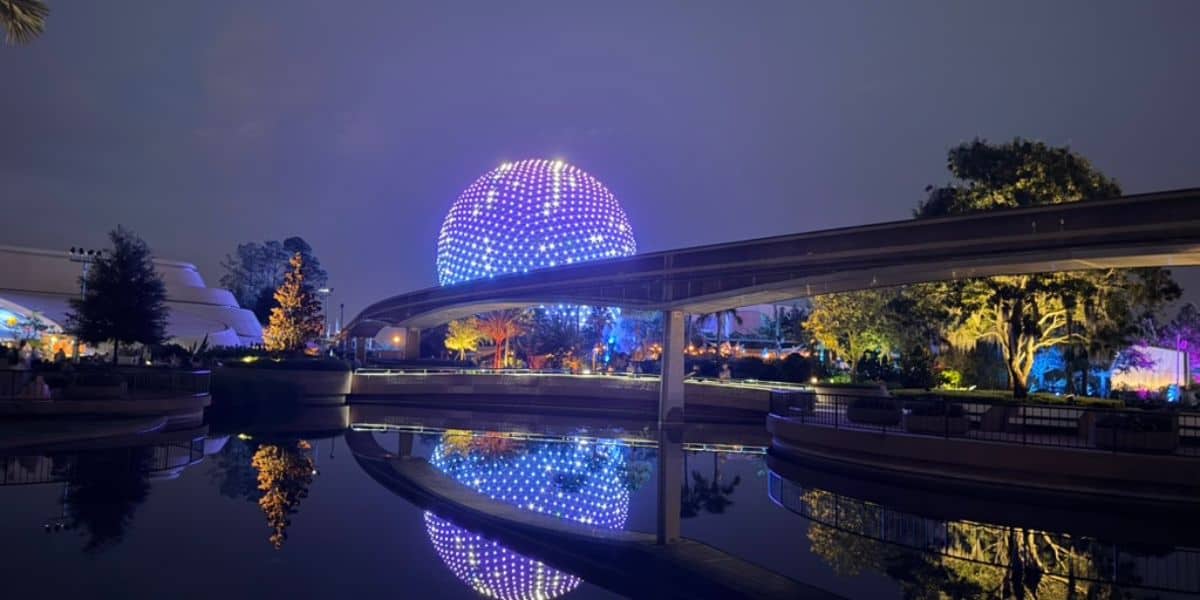
- An Updated Spaceship Earth: EPCOT’s geodesic icon will undergo its first major storyline refresh in nearly two decades, updating the journey through communication to encompass broader themes of human connection.
- Fixing the Yeti on Expedition Everest: In a moment that sent shockwaves through the fan base, Disney confirmed it is finally taking on the mechanical structural challenge to bring the mythical creature back to life in Disney’s Animal Kingdom.
- A Full Reimagining of Tomorrowland at Disneyland: Across the country in Anaheim, Walt Disney’s original park will receive a revitalized, future-forward Tomorrowland featuring open spaces and new attractions.
Noticeably absent from the slate was Magic Kingdom’s Space Mountain. While Disneyland’s Tomorrowland got a nod and international Space Mountains received attention, Walt Disney World’s original spaceport went unmentioned.
The Operational Reality: A Park Balancing on Capacity
Why didn’t Disney pull the trigger on a multi-year Space Mountain closure? The real answer comes down to day-to-day crowd control and park capacity.

Magic Kingdom is balancing an unprecedented amount of moving parts:
- Frontierland Construction: Earthwork and staging for the massive Cars expansion and the adjacent Villains Land are consuming backstage space and guest pathways along the park’s western frontier.
- Tiana’s Bayou Adventure Downtime: After its high-profile summer debut, Tiana’s Bayou Adventure temporarily closed for a standard seasonal refurbishment, with plans to reopen in December. Even temporary closures of high-capacity water rides send shockwaves across the rest of the park’s wait times.
While Big Thunder Mountain is back online to absorb lines, Magic Kingdom’s operational throughput remains tightly wound. Space Mountain is not a secondary filler ride; it is a twin-track behemoth that processes upwards of 2,000 riders per hour during peak operating days.

Taking Space Mountain offline for two to three years right now—while Tiana’s navigates its early post-opening refits and Frontierland absorbs massive construction walls—would crush crowd distribution. The remaining coasters, including Seven Dwarfs Mine Train, TRON Lightcycle / Run, and Big Thunder, would face unsustainable wait times, dragging down guest satisfaction metrics across the resort.
Shelved, Postponed, or Wishful Thinking?
In theme park development, projects rarely vanish completely; they simply get shifted on corporate capital expenditure schedules.

Walt Disney Imagineering routinely conducts structural assessments, stress tests, and replacement blueprints for legacy attractions decades before ground breaks. It is likely that Imagineering has fully developed plans to replace Space Mountain’s tracks with a modern, smooth tubular chassis, dynamic magnetic launch zones, and enhanced digital audio.
However, corporate leadership must balance engineering desires against guest realities. With four massive retrofits announced at D23—Spaceship Earth, Journey Into Imagination, the Expedition Everest Yeti, and Disneyland’s Tomorrowland—along with the capital demands of Villains Land and Cars, Disney’s domestic budget and engineering bandwidth are stretched to their limits.
Disney may also be waiting to evaluate the performance and rider reception of Tokyo Disneyland’s next-generation Space Mountain in 2027 before deciding whether to perform a localized track refit or a ground-up reinvention in Florida.
All Systems Normal for Launch
For the millions of vacationers heading to Walt Disney World, the demise of this summer rumor brings immediate relief. Space Mountain’s blue queue tunnels remain open, the retro-futuristic music still loops through the star-filled queue, and rockets continue to drop into the dark.

Eventually, the laws of physics and metal fatigue will catch up with the 1975 classic, and a long-term shutdown will be necessary to secure its next half-century of flight. But until Disney files the permits and officially steps to the podium, Magic Kingdom’s Space Mountain is staying grounded in regular daily operation.