For decades, the Walt Disney World Resort transportation network was essentially a free, interconnected public transit system. Whether you were staying in a $1,000-a-night suite at the Grand Floridian, crashing at an off-property budget motel, or driving in as a local Florida resident, you had equal access to the resort’s sprawling network of buses, boats, and monorails.

But as of June 2026, that era of open access has officially come to an abrupt end.
In a move to close a viral “free parking hack” and alleviate massive overcrowding at its premium hotels, Disney implemented a ban on who can use transportation departing from the Disney Springs shopping district. Now that the dust has settled on the controversial policy, a clear divide has emerged: high-paying resort guests are calling it the best operational change in years, while loyal locals and Annual Passholders feel entirely alienated.
The End of the “Free Ride”
To understand why the internet is so divided, you have to look at the sheer strictness of the new policy that took effect on June 28, 2026.
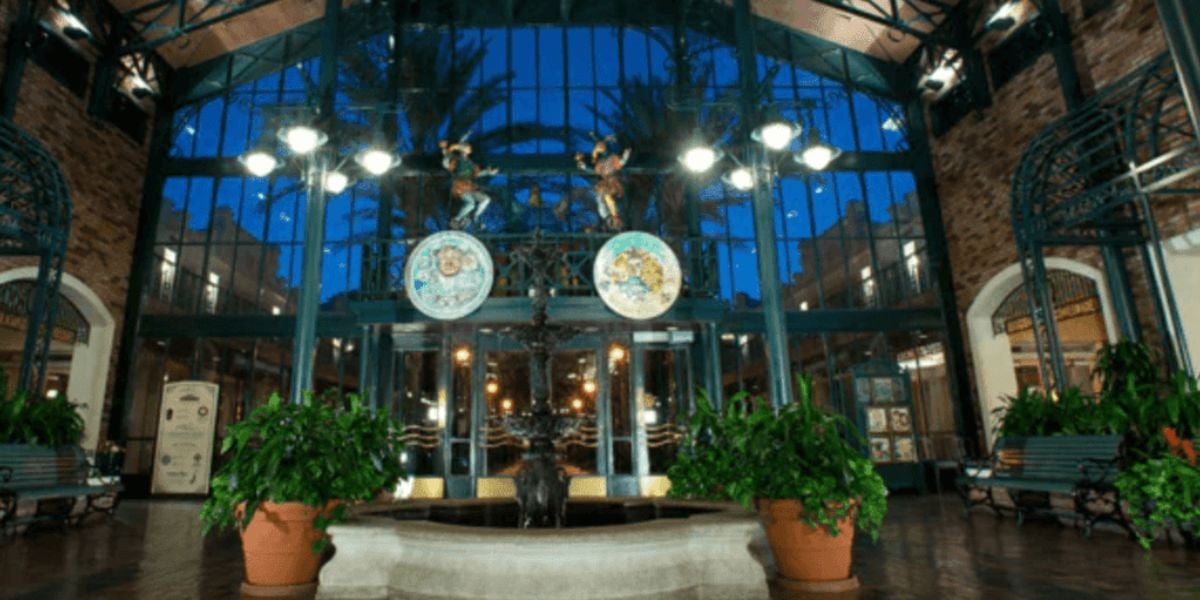
Previously, visitors looking to avoid the $35 daily theme park parking fee would simply park for free at the Disney Springs garages. From there, they would hop on a complimentary Disney bus or the Sassagoula River Cruise, travel to a Disney resort hotel, and transfer to a theme park. Beyond just parking, offsite guests and locals routinely used the free transit to “resort hop”—spending their evenings lounging in premium hotel lobbies, grabbing quick-service meals, or letting their kids play near the hotel splash pads without paying for a room.
Disney has officially put a stop to this. Today, if you want to board a bus or boat departing from Disney Springs to a Walt Disney World Resort hotel, you must pass through a strict verification checkpoint. Cast Members now require guests to scan a MagicBand or show an app screen proving they have an active hotel reservation, a confirmed table-service dining reservation, or a booked Enchanting Extras experience.
If you don’t have a verified reservation, you are turned away. The free ride is over.
Resort Guests Finally Get What They Paid For
For families shelling out thousands of dollars for a Disney property vacation, this transportation crackdown has been a massive relief.
Before the ban, premium resort lobbies like Disney’s Polynesian Village Resort and Disney’s Wilderness Lodge had become chaotic transit hubs. Guests paying $600 to $800 a night found themselves waiting in long lines for coffee and standing shoulder to shoulder on buses behind day-trippers who weren’t even staying on the property.
Since the verification checkpoints were installed, resort guests have flooded social media to praise the changes. The buses departing from Disney Springs are no longer packed to capacity with people utilizing a parking loophole. Instead, families are actually securing seats on the ride back to their rooms at the end of a long night.
Furthermore, the atmosphere inside the resorts has dramatically shifted. Cast Members report that the lobbies are significantly quieter, the quick-service food lines are shorter, and the hotel grounds finally feel like the exclusive, luxurious retreats they were designed to be. For paying tourists, the Disney bubble has been successfully restored.
Florida Locals Feel Shut Out of the Magic
While out-of-state tourists are celebrating the peace, Florida locals and Annual Passholders are absolutely furious.

For the local fan base, “resort hopping” was a beloved weekend tradition. Passholders who didn’t want to deal with the intense heat or crowds of the theme parks would routinely head to Disney Springs, catch a boat to Port Orleans Resort for some fresh beignets, or take a bus to Disney’s Animal Kingdom Lodge to watch the animals on the savanna.
Now, unless they are willing to pay for an expensive sit-down meal, locals are effectively locked out of this experience. Across platforms like TikTok and X (formerly Twitter), Passholders are slamming the ban as a blatant cash grab and a stark reminder of Disney’s new class system. Critics argue that Disney is nickel-and-diming its most loyal customers—the very people who keep the parks financially afloat during the slower off-seasons.
For a company built on inclusivity, the visual of a cast member turning a family away at a bus depot because they are staying offsite is a bitter pill for the fandom to swallow.
A Quiet, Exclusive Future
The Walt Disney World bus ban proves that the company can instantly solve its overcrowding issues with a single, highly restrictive policy change. Operationally, the resorts are functioning better than they have in years.
However, that efficiency comes at the direct expense of the local community and budget-conscious fans. Disney has made a clear choice: the priority is to protect the premium experience of guests paying top dollar to sleep on the property. Until the rules are relaxed, the era of casual resort hopping is dead, leaving the magic strictly reserved for those who can afford the room key.