Disney World Costs Climb Higher as Attractions Continue to Vanish in 2026

Something has shifted at Disney World—and longtime fans are starting to notice.
It’s not that people have stopped going. Trips are still being planned, flights are still being booked, and families are still counting down the days. But the conversations feel different now. Guests aren’t just talking about what they’re excited to ride or eat. They’re asking whether the experience still matches the price.
That question has been building for a while, but in 2026, it’s louder than ever. Because while prices continue to rise, the parks themselves don’t feel as complete as they once did.
Prices Keep Climbing Everywhere You Look
There’s no way around it—Disney World is more expensive than ever.
The most recent round of increases took effect on October 8, 2025, and those changes carried over into 2026. A one-day ticket to Magic Kingdom can now reach $209 during peak times. That kind of price used to feel like a stretch. Now it’s standard for busy travel periods.
Annual Passholders saw increases, too, with some tiers rising by $20 to $80. Parking costs rose, and even holiday pricing shifted higher heading into the current travel cycle.
But the costs don’t stop once you walk through the gates.
Food prices have crept up, with small items like pretzels and popcorn now costing a bit more than they did before. It might only be a dollar or two per item, but those increases add up quickly over a full day. Hotel rates have also climbed, no matter which category you choose. And merchandise? That’s gone up too.
It’s not one area driving the change—it’s everything at once.

Closures Are Changing the Park Experience
Normally, rising prices would be easier to accept if everything else stayed the same. But that’s not what’s happening right now.
Across all four parks, key attractions and even entire areas are either closed or in transition.
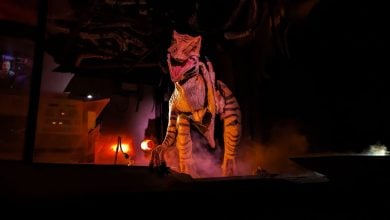
At Animal Kingdom, DinoLand U.S.A. is gone as Disney prepares for the new Tropical Americas land. That leaves a noticeable gap in a park that already doesn’t have as many rides as the others.
Hollywood Studios is also changing. Rock ’n’ Roller Coaster remains closed for its transformation, while Muppet*Vision 3D has shut down along with the surrounding Muppets Courtyard area to make way for Monstropolis.
Magic Kingdom has felt the impact, too. Big Thunder Mountain Railroad has been down for a long refurbishment, and Rivers of America, along with Tom Sawyer Island, have been permanently removed. That’s a major loss in terms of space and crowd flow. Even smaller experiences like Pete’s Silly Sideshow remain closed.
Back at Animal Kingdom, Rafiki’s Planet Watch is also temporarily unavailable as it prepares for a Bluey-themed update.
Taken together, these aren’t isolated changes—they’re happening everywhere.

Long Timelines Make It Harder to Plan Around
The bigger issue isn’t just what’s closed. It’s how long these changes are expected to last.
Tropical Americas is confirmed, but there’s still no exact opening date. That likely means more than a year before guests can experience what replaces DinoLand. Until then, Animal Kingdom continues without one of its former lands.
Hollywood Studios faces a similar situation. Monstropolis is coming, but without a timeline, the park will feel incomplete for the foreseeable future.
Big Thunder Mountain Railroad is nearing a return, with a reopening expected in early May 2026. Still, it’s been closed for over a year, and Frontierland remains surrounded by ongoing work tied to future expansions.
Some changes are permanent. Rivers of America and Tom Sawyer Island are gone, removing a major relaxation area. Others are temporary, like Rafiki’s Planet Watch, which should reopen by the end of May.
But when so many projects overlap, it creates a stretch where multiple parks are missing key offerings at the same time.

Why Guests Are Starting to Push Back
This is where the frustration comes in.
Guests are paying higher prices across the board—tickets, food, hotels—while walking into parks that don’t feel fully built out. It’s not just about missing a ride. It’s about missing entire sections of the experience.
And with another likely price increase on the horizon this October, that tension isn’t going away anytime soon. Some attractions will return, but others will still be under construction, and new refurbishments are always around the corner.

Is Disney World Still Worth It in 2026?
That answer depends on what you value most.
If you’re focused on the atmosphere, the characters, and the overall experience, Disney World still delivers something special. But if you’re looking at it strictly from a value standpoint, the equation has changed.
Higher costs. Fewer offerings. More construction.
It doesn’t mean the magic is gone. But it does mean guests are thinking more carefully before they book.
And that’s a shift Disney can’t ignore.