Disney Made Big Changes to Its Biggest Films That the Internet Needs to Know Why

Disney is doing something to three of its most beloved films that has never been attempted before in animation, and it debuts on Disney+ this Sunday, April 27. Songs in Sign Language is a new short-form project from Walt Disney Animation Studios that reimagines iconic musical sequences from Frozen 2, Encanto, and Moana 2 entirely in American Sign Language, and the way it was made is as significant as the result.
What Disney Actually Did to the Films
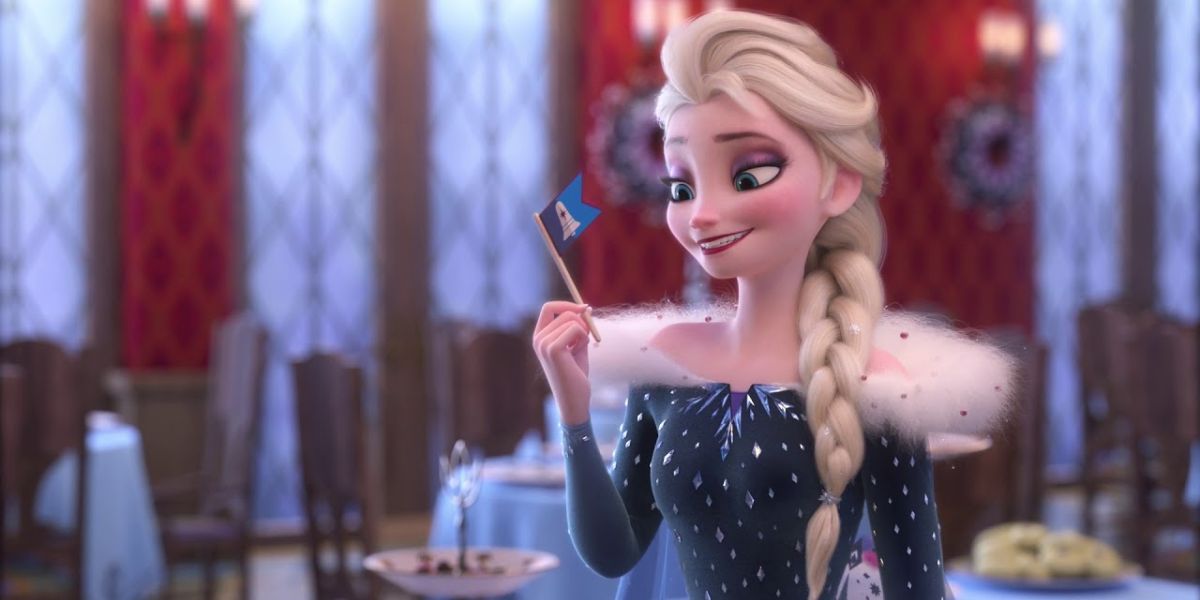
This is not captions or subtitles added on top of existing footage. Disney went back to the original animation source files for each song and rebuilt the sequences from the ground up to communicate in ASL rather than spoken language. The three songs reimagined are The Next Right Thing from Frozen 2, We Don’t Talk About Bruno from Encanto, and Beyond from Moana 2. Each sequence was reanimated with ASL choreography developed under the guidance of DJ Kurs, artistic director of Deaf West Theatre, and sign language reference choreographer Catalene Sacchetti. More than 20 Disney animators volunteered to work on the project after director Hyrum Osmond issued an internal call for those who wanted to be part of it.
Where the Idea Came From
Osmond, who previously directed Olaf Presents, developed the concept from a deeply personal place. Growing up, he never learned sign language and carried real regret for the barrier it created between him and his Deaf father. That experience drove years of developing ideas for a project that could do something meaningful for the Deaf community, eventually leading to a pitch to Walt Disney Animation Studios leadership that was received with enthusiasm and support from the beginning.
Why the Animation for the Films Had to Be Rebuilt
The decision to reanimate each sequence rather than overlay existing footage came from a fundamental understanding of how ASL actually works. In sign language, the face carries a significant portion of the communicative load alongside the hands, and if the facial expression does not match the signing, the meaning can change entirely. The original animation was built around spoken dialogue, and the facial performances reflected that. Rebuilding the expressions, eyes, and brow movements to reflect ASL communication requirements meant most of the faces in the reimagined sequences are entirely new.
During the development process, Sacchetti explained that ASL is not a monolith. A single concept can be expressed through many different handshapes and approaches, each with its own nuances of meaning. The team made deliberate creative choices for every moment in each song, with the additional commitment that each character would have a consistent, individualized singing voice reflecting their specific personality, rather than singing identically to the other characters around them. We Don’t Talk About Bruno presented the biggest challenge in this regard, with as many as eight performers signing in a single frame during certain sequences.

Why This Matters
Deaf and hard-of-hearing children have never had Disney animated characters communicate directly with them in ASL. Subtitles and captions have always existed as an accommodation, but Songs in Sign Language is something fundamentally different. It is Disney animation speaking directly to Deaf audiences in their own language, with the same characters they grew up watching now expressing themselves in a way never before available to Deaf viewers. Sacchetti described it as a historic first for the Deaf community. Kurs, as a Deaf artist himself, called it a moment worth celebrating for the connection it creates between Deaf audiences and Disney storytelling at a level never before seen.
Songs in Sign Language debuts on Disney+ on April 27. It is days away, and the Deaf community has been waiting for something like this for a very long time.