Avengers: Doomsday (2026) looks set to push the MCU into uncharted territory.
Marvel Studios appears ready to escalate the stakes in a way the franchise hasn’t attempted before. Over the past year, reports surrounding Avengers: Doomsday have consistently pointed toward a story centered on Multiversal “incursions,” catastrophic events where entire realities collide and risk total destruction.
While recent Marvel Cinematic Universe entries have teased the concept, this installment is expected to fully embrace it. Instead of focusing on a single roster of heroes, Doomsday unites characters from across the Multiverse, bringing together the Avengers, the Fantastic Four, and the X-Men in what could be one of Marvel’s most ambitious crossovers to date.
One of the most unexpected developments is the reported return of Steve Rogers (Chris Evans) as a major figure in the narrative.
After his story appeared to conclude in 2019’s Avengers: Endgame—where he chose a quiet life in the past—Rogers is now said to reemerge, navigating the complexities of the Multiverse. According to reports, he will once again take on a leadership role, particularly following the arrival of Doctor Doom, played by Robert Downey Jr.
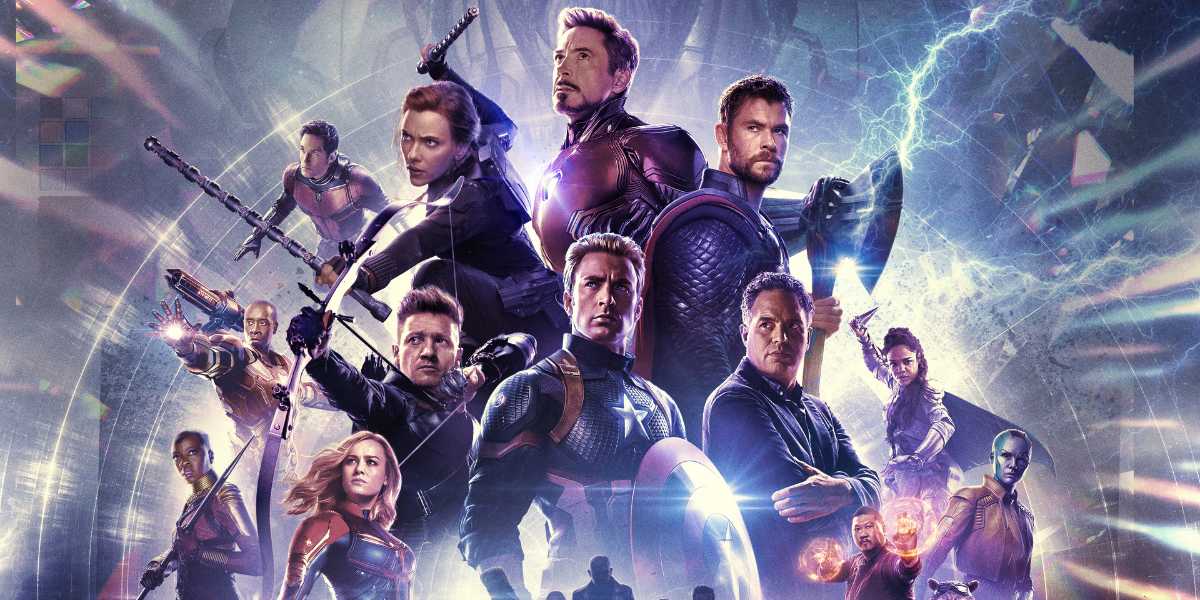
The idea isn’t entirely out of left field. Directors Joe and Anthony Russo have previously hinted that Steve Rogers still holds importance within the broader MCU, even after his apparent farewell. His reintroduction could signal Marvel’s intent to anchor its increasingly complex storyline with a familiar presence.
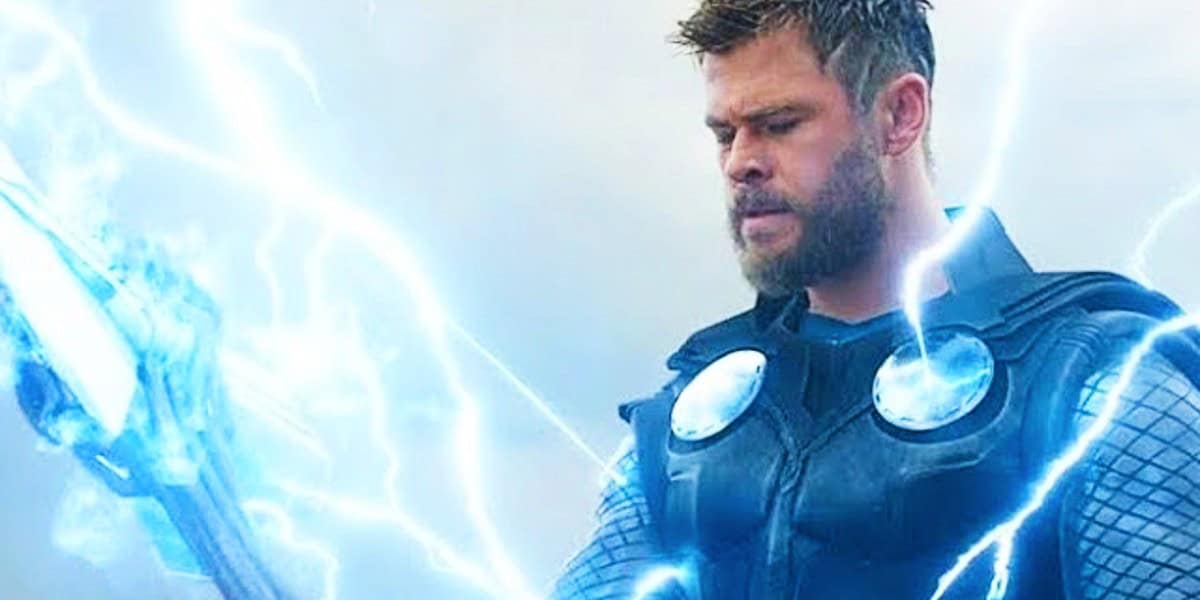
Chris Hemsworth’s Thor also appears poised to remain central to the unfolding conflict.
Rather than stepping back, the God of Thunder is reportedly joining forces with Rogers to confront the Multiversal threat. The character is said to travel between realities, actively engaging with the chaos caused by the incursions.
This aligns with ongoing speculation surrounding the film, including early footage that reportedly shows Thor battling Doctor Doom using Stormbreaker. The continued prominence of the character suggests Marvel still has significant plans for Thor, even after years of development following Endgame.

At its core, Avengers: Doomsday will reportedly follow Earth’s Mightiest Heroes as they come face to face with Doom in the wake of these Multiversal collisions.
However, the arrival of characters from other universes may not be entirely cooperative. Reports indicate internal conflicts, including a battle between Spider-Man (Tobey Maguire) and Wolverine (Hugh Jackman). Another clash is said to involve Florence Pugh’s Yelena Belova and Rebecca Romijn’s Mystique, signaling that alliances may be fragile at best.
Beyond the immediate story, Doomsday may carry major implications for the structure of the MCU itself. A post from Hollywood Handle on X (formerly Twitter) relayed comments from Marvel Studios president Kevin Feige during CinemaCon, adding a new dimension to the conversation:
Kevin Feige on ‘AVENGERS: DOOMSDAY:’
“This film takes place where ‘Endgame’ left off but also goes back to when it all started with ‘X-Men.’”
#CinemaCon
Kevin Feige on ‘AVENGERS: DOOMSDAY:’
“This film takes place where ‘Endgame’ left off but also goes back to when it all started with ‘X-Men.’”#CinemaCon pic.twitter.com/KEE0ZA6Zgs
— The Hollywood Handle (@HollywoodHandle) April 16, 2026
That statement has sparked widespread discussion about how the film might reshape the established timeline. If the narrative truly bridges the conclusion of Endgame with the origins of the X-Men, it could blur—or even alter—the continuity fans have followed for years.
With universes colliding and timelines intersecting, questions are emerging about whether recent events in the MCU will remain intact or be adjusted. For now, Marvel has not clarified its approach, leaving audiences to speculate how Doomsday will fit into the larger saga.
This new information also relates to comments and reports made last year. In a 2025 interview, Marvel Studios president Kevin Feige addressed the studio’s long-term vision, emphasizing a desire to refine continuity while preparing for the introduction of the X-Men.
“Reboot is a scary word,” Feige told Variety. “Reboot can mean a lot of things to a lot of people. Reset, singular timeline — we’re thinking along those lines. ‘X-Men’ is where that will happen next.”
“It’ll just be a quick scrub of details the MCU wants to sort of forget and redo,” Perez outlined. “This will involve the resurrection of some heroes and villains as well as the erasure of some minor events that bother fans (and Kevin Feige), but all in all, it will be like 75-80% the original timeline, with some minor changes.”
What appears increasingly certain is that Avengers: Doomsday is only part of a larger narrative plan. The film is being positioned as a key step toward Avengers: Secret Wars (2027), mirroring how Avengers: Infinity War (2018) set the stage for Endgame. Rather than offering a complete resolution, Doomsday is expected to begin a two-part storyline that concludes the Multiverse Saga.
If reports are accurate, the film will not only resolve ongoing threads but also lay the groundwork for a new chapter in the MCU.

As with any major Marvel release, speculation, leaks, and insider reports continue to circulate—but not all of them prove accurate. Still, the consistent messaging around Doomsday points to a large-scale crossover that aims to bring together legacy characters in unprecedented ways.
Whether the film ultimately delivers on these expectations—or reshapes the MCU in the process—remains uncertain. For now, it’s clear that Marvel is preparing for a story with far-reaching consequences.
How do you feel about the future of the current MCU timeline? Let us know in the comments down below!