For more than a decade, Hollywood has relied on familiar brands to power the box office. From Star Wars to Jurassic World, studios have invested heavily in reviving beloved properties, often wagering hundreds of millions of dollars on audiences returning to worlds they already know. A new financial report now highlights just how expensive that strategy has become.
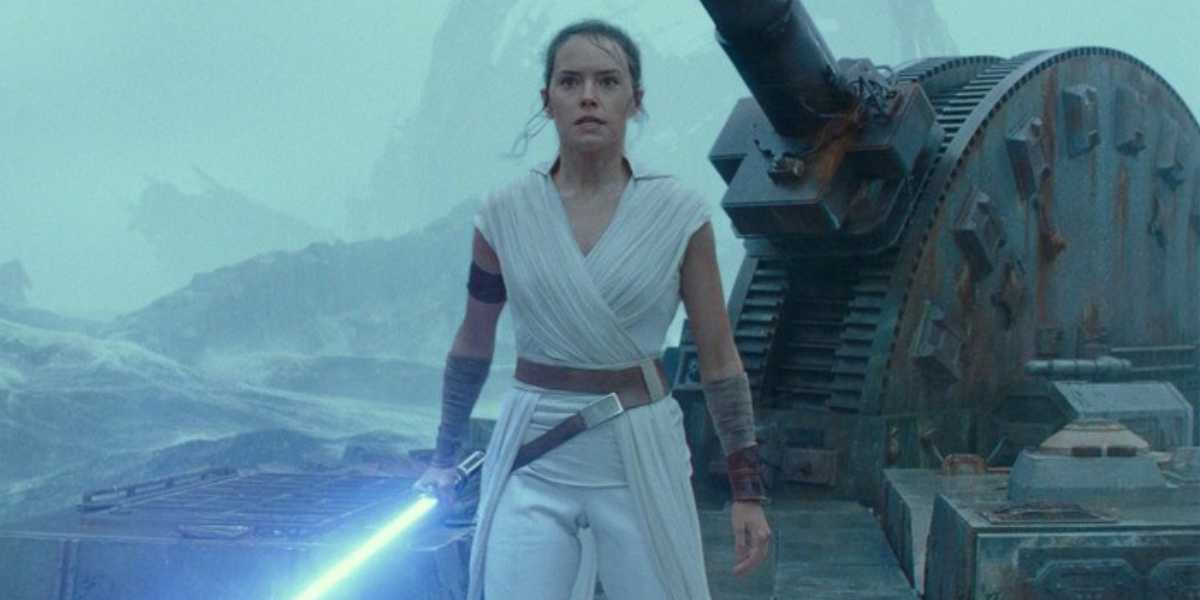
When Disney purchased Lucasfilm in 2012 for $4 billion, the company immediately set its sights on relaunching Star Wars for a new generation. The result was a sequel trilogy consisting of Star Wars: Episode VII–The Force Awakens (2015), Star Wars: Episode VIII–The Last Jedi (2017), and Star Wars: Episode IX–The Rise of Skywalker (2019).
Financially, the trilogy delivered massive global box office returns. Creatively, however, reactions were far more complicated.
The Force Awakens successfully reintroduced audiences to the galaxy far, far away, blending familiar elements with a new cast of characters. But the trilogy’s direction became increasingly debated as it continued. The Last Jedi, directed by Rian Johnson, generated intense discussion among fans thanks to its unconventional storytelling choices and its willingness to challenge long-held expectations about the franchise.
By the time The Rise of Skywalker arrived in theaters, Disney and Lucasfilm appeared to be attempting to reconcile competing visions for the trilogy. With J. J. Abrams returning to direct the final installment, the film sought to address many of the criticisms leveled at its predecessor. Yet for many viewers, the result felt uneven, leaving the trilogy without the universally celebrated conclusion Disney may have hoped to achieve.

Star Wars is hardly the only franchise to encounter those challenges. Across Hollywood, studios have spent years revisiting established intellectual property, often discovering that bringing audiences back is easier than keeping them satisfied.
Universal Pictures experienced a similar trajectory with the Jurassic World franchise. Building on the foundation established by the original Jurassic Park films, the trilogy launched in 2015 with tremendous commercial momentum. Over time, it expanded its scale, introduced larger threats, and eventually reunited legacy cast members from Steven Spielberg’s original films.
While ticket sales remained strong, critical reception became increasingly mixed. That trend culminated with Jurassic World Dominion (2022), a film that attracted sizable audiences despite receiving a lukewarm response from many reviewers. The franchise remained profitable, but its reception demonstrated that nostalgia alone is not always enough to sustain long-term enthusiasm.
Now, a report from Fortune has revealed another distinction for Dominion. The film has officially surpassed The Force Awakens as the most expensive movie ever produced.

According to the report, Jurassic World Dominion carried a production cost of $658.8 million. That figure exceeds The Force Awakens, which previously held the record at $638.9 million.
Dominion also ranks as the most expensive entry in the Jurassic World trilogy. Jurassic World: Fallen Kingdom (2018) reportedly cost $606.3 million, while Jurassic World: Rebirth (2025), the franchise’s recent soft reboot, came in at a far lower $254.2 million.
A significant portion of Dominion‘s ballooning budget stemmed from pandemic-related complications. The production faced lengthy delays, implemented extensive health and safety measures, and maintained cast quarantines during filming. One particularly notable expense involved housing performers in a luxury hotel in England, with rooms reportedly costing more than $600 per night.
The United Kingdom’s production incentive programs helped offset some of those expenses. Universal reportedly received $127.8 million through the UK’s Audio-Visual Expenditure Credit scheme, reducing the studio’s direct spending on Dominion to approximately $531 million.

Despite earning nearly $1 billion worldwide, Dominion reportedly generated only a narrow loss during its theatrical run when measured against its enormous costs. Across the trilogy as a whole, however, Universal still emerged with substantial profits. The studio’s financial outcome would have looked considerably different without the UK reimbursement program.
Against that backdrop, Lucasfilm’s upcoming theatrical plans appear notably more restrained.
The Mandalorian and Grogu, which brings the Disney+ characters to theaters for the first time, reportedly carries a budget of around $165 million. Compared to the sequel trilogy’s spending levels, the figure represents a markedly different approach to blockbuster filmmaking.
The decision is particularly notable because Din Djarin and Grogu helped restore enthusiasm for Star Wars during a period when the franchise’s future direction remained uncertain. Their transition from streaming to theaters suggests Lucasfilm is prioritizing efficiency alongside scale.

The studio is also preparing for Star Wars: Starfighter, scheduled for release in 2027. The project promises new characters and a fresh corner of the galaxy, signaling a move away from stories tied directly to the Skywalker Saga.
Universal appears to be following a similar strategy. Jurassic World: Rebirth introduced an entirely new cast and significantly reduced production costs. The film demonstrated that audiences remain interested in dinosaur adventures even without franchise veterans Chris Pratt (Owen Grady) and Bryce Dallas Howard (Claire Dearing) leading the story.
With a sequel already in development, Universal has every reason to continue refining that model, especially given the financial advantages provided by UK production incentives.
If there is a takeaway from the experiences of both Star Wars and Jurassic World, it may be that larger budgets are not always the answer. Audiences still appreciate spectacle, but the long-term health of a franchise ultimately depends on compelling storytelling. In an era defined by escalating costs, Hollywood may be rediscovering the value of restraint.
Are you surprised by this turn of events? Let us know in the comments down below!