Almost two years after Disney canceled The Acolyte, the Star Wars series remains a surprisingly active topic among fans.

What once appeared to be a closed chapter in Lucasfilm’s streaming strategy has found new life thanks to renewed audience interest, fresh conversations about its creative ambitions, and new comments from creator Leslye Headland regarding how the show was originally intended to be watched.
When Disney announced the cancellation of The Acolyte in 2024, the decision seemed final. The High Republic-era drama faced intense online scrutiny throughout its run, including review-bombing campaigns and harassment directed at members of its cast. Financial considerations also played a major role. Then Disney Entertainment Co-Chairman Alan Bergman pointed to the series’ production expenses, reportedly exceeding $200 million, and explained that its “cost structure did not allow for a second season.”
At the time, many assumed the project had reached the end of its journey.

Recent streaming figures have complicated that narrative. Earlier this year, data from FlixPatrol indicated that The Acolyte had climbed back into Disney+’s Top 10 rankings nearly two years after premiering. For a series that was canceled after a single season, the performance stood out, particularly given the size of Disney’s streaming catalog.
One possible explanation for the renewed interest arrived in the form of Star Wars: Maul — Shadow Lord, Lucasfilm’s latest animated series overseen by Dave Filoni. The critically praised project became a major performer on Disney+, ranking near the top of the platform’s television charts and finishing second overall during one reporting period, trailing only a special preview for The Devil Wears Prada 2 (2026).
Thematically, the connection between the two series may be stronger than it initially appears. Both stories venture beyond traditional Star Wars storytelling and explore complicated questions surrounding the Force, morality, and the Jedi Order. Viewers intrigued by Shadow Lord‘s examination of dark-side beliefs may have sought out The Acolyte or returned to it with a different perspective than they had during its original release.

Discussion surrounding the series received another boost after Empire Magazine (via The Direct) revisited The Acolyte in a recent issue. During that conversation, Headland explained that the show’s current availability on Disney+—with all eight episodes accessible at once—actually reflects how she envisioned audiences experiencing the story.
“It was designed that way,” Headland said while discussing the binge-viewing format.
According to the creator, the series was constructed to be watched over one or two sittings rather than spread across several weeks. Disney’s release approach launched the first two episodes simultaneously before moving to a weekly rollout, a strategy that differed from Headland’s preferred viewing experience.
The cancellation remains particularly frustrating for some viewers because of what Headland had planned next.

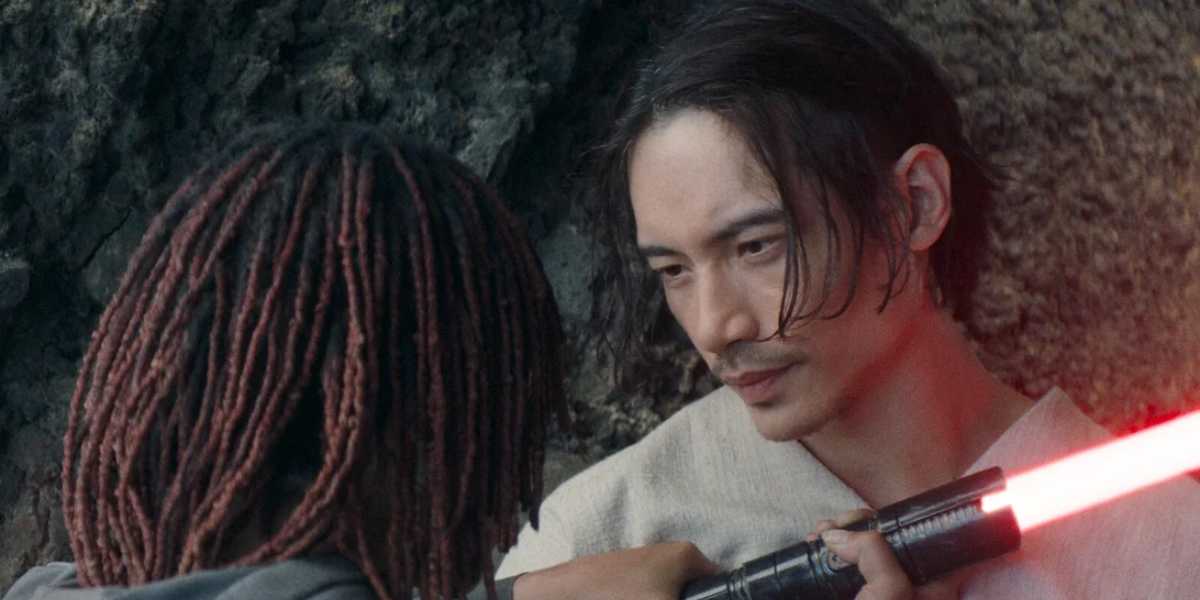
The proposed second season was expected to push even deeper into Star Wars mythology while creating stronger links to the sequel trilogy. A major focus would have been Manny Jacinto’s character, Qimir, also known as The Stranger.
Plans reportedly positioned Qimir as a possible precursor to the figure known as Ren, potentially establishing him as the origin of the group that later became the Knights of Ren. Rather than existing on the edges of Star Wars lore, the organization would have been reframed as the surviving remnant of an older dark-side tradition—one operating outside the Sith’s established structure and philosophy.
The next chapter also would have expanded the role of Darth Plagueis, bringing the legendary Sith figure more directly into the timeline. That storyline was expected to explore the Rule of Two in greater detail while helping establish narrative foundations that would eventually connect to Emperor Palpatine’s rise.

At the same time, Qimir’s criminal underworld connections would have received additional attention, further supporting one of The Acolyte‘s central ideas: that the Force cannot always be divided into clear categories of good and evil.
The broader effect would have been a form of retroactive world-building, strengthening connections between the High Republic era and Star Wars: Episode VII—The Force Awakens (2015) without altering existing continuity.
The possibility of revisiting those plans may depend on Lucasfilm’s evolving leadership structure.
Following Kathleen Kennedy’s departure, Dave Filoni and Lynwen Brennan assumed roles as co-presidents of the studio. The transition marks one of the most significant leadership changes in modern Lucasfilm history and could influence future development priorities across both film and television.

The studio’s schedule remains packed. Jon Favreau’s The Mandalorian and Grogu (2026) arrived in theaters on May 22, though it did not dominate the global box office. Meanwhile, Shawn Levy is preparing Star Wars: Starfighter (2027), while Ahsoka Season 2 remains in development for an early 2027 Disney+ release.
Even with a crowded slate, The Acolyte continues attracting attention. Combined with Filoni’s interest in Force mythology and deeper lore, the series’ recent resurgence has reopened a conversation many believed was finished.
The cast included Amandla Stenberg as Mae and Osha Aniseya, Lee Jung-jae as Master Sol, Rebecca Henderson as Vernestra Rwoh, Jodie Turner-Smith as Mother Aniseya, Dafne Keen as Jecki Lon, Charlie Barnett as Yord Fandar, Carrie-Anne Moss as Master Indara, and Dean-Charles Chapman as Torbin.

Its portrayal of the High Republic era presented a more politically layered vision of Star Wars and challenged audiences to view the Jedi through a more complicated lens. Whether Lucasfilm ever revisits that unfinished story remains uncertain. But for the first time since the cancellation announcement, the prospect no longer feels impossible.
All eight episodes of The Acolyte are currently streaming on Disney+.
How do you feel about this proposed release plan? Let Disney Dining know in the comments down below!