Box Office Bomb: Why IMAX Is Reportedly Booting ‘The Mandalorian and Grogu’ After a Historic Star Wars Collapse

The unthinkable has officially happened to the world’s most powerful cinematic franchise. For decades, the arrival of a new Star Wars movie in theaters was treated as an untouchable pop culture event—an automatic guarantee of box office dominance and packed premium theaters.
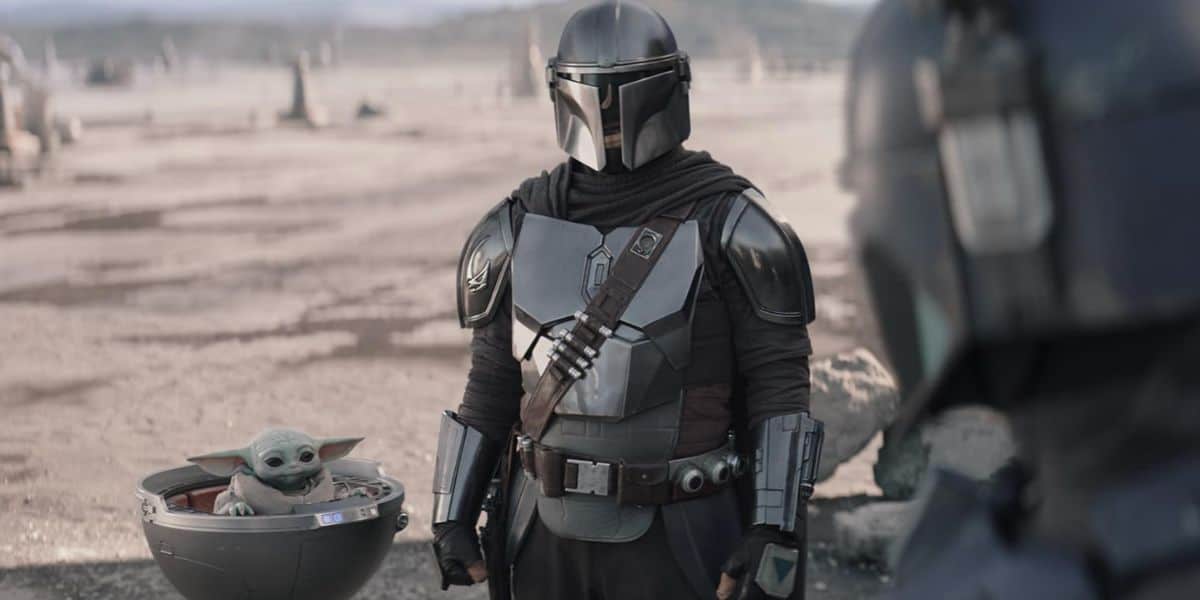
But the theatrical landscape of 2026 is telling a vastly different story. Jon Favreau’s The Mandalorian and Grogu, highly publicized as the grand return of Star Wars to multiplexes after a seven-year hiatus, has officially careened into a historic financial tailspin. Following a weak opening weekend, the film suffered a catastrophic 72% drop in its second weekend, bringing in a meager $23 million domestically.
As panic spreads through Lucasfilm over what is shaping up to be one of the worst-performing Star Wars movies ever made, theater exhibitors are wasting no time protecting their bottom lines. In an unceremonious and brutal move, IMAX announced that it is cutting the film’s three-week exclusive premium format run short, officially evicting Mando and Baby Yoda on June 5, 2026, to hand the screens over to Mattel’s Masters of the Universe.
The Fatal Second Weekend: Dethroned by Low-Budget Horror
To understand why IMAX is pulling the plug on a multi-billion-dollar franchise so abruptly, one must look at the brutal reality of the box office numbers. The Mandalorian and Grogu originally opened to a soft $80 million domestic haul. While that number would be a triumph for an original film, it represented an all-time low for a flagship, live-action Star Wars theatrical premiere.

The true disaster struck during its sophomore frame. A 72% drop indicates that casual audiences completely rejected the film, leaving theaters empty once the front-loaded fan base completed their opening-weekend viewings.
Worse yet, Star Wars didn’t just slide; it was completely humiliated by mid-budget genre counter-programming. The viral indie-horror phenomenon Backrooms absolutely dominated the weekend with a staggering $90 million haul, while the horror-thriller Obsession comfortably claimed the second-place spot with $30 million. A decade ago, the concept of two horror movies effortlessly outperforming a brand-new Star Wars movie would have been science fiction. Today, it stands as proof that legacy franchises no longer automatically control theatrical culture.
The Math Behind a $100 Million Disaster
With a production budget pinned at $165 million—before factoring in a massive global marketing push—analysts calculated that The Mandalorian and Grogu needed to clear at least $400 million worldwide just to break even.
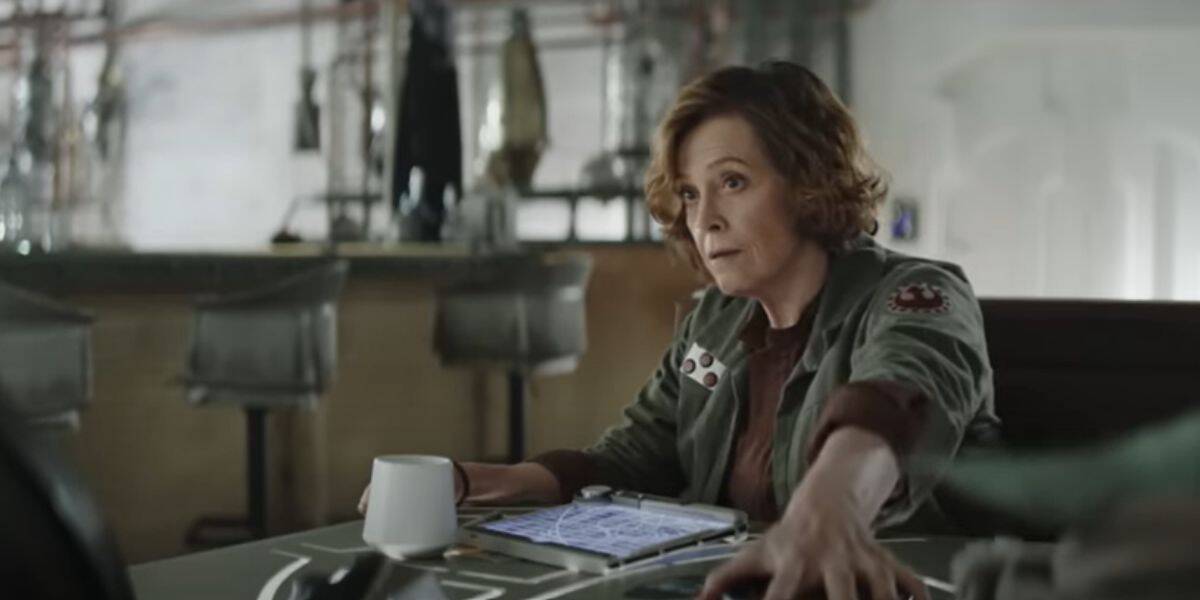
At its current, free-falling trajectory, box office experts are openly questioning whether the film will even manage to scrape past the $300 million mark by the end of its global run. If the film stalls out below that threshold, Disney is staring down a net loss that could easily top $100 million. This failure instantly places the movie alongside 2018’s Solo: A Star Wars Story as a historic financial disaster for Lucasfilm.
The collapse points to a systemic issue: brand fatigue. By stretching the narrative of The Mandalorian across multiple seasons on Disney+, the studio inadvertently stripped away the cinematic prestige of the characters. Casual moviegoers no longer view Star Wars as a rare, premium theatrical experience. Instead, it is increasingly treated as a glorified, expensive episode of television that can easily be skipped until it arrives on a streaming service.
The IMAX Eviction: Why He-Man Is the Better Bet
Premium large format (PLF) screens, particularly IMAX, are the most lucrative real estate in a modern movie theater. Tickets command a massive premium, but those screens only generate top-tier revenue if the seats are full.
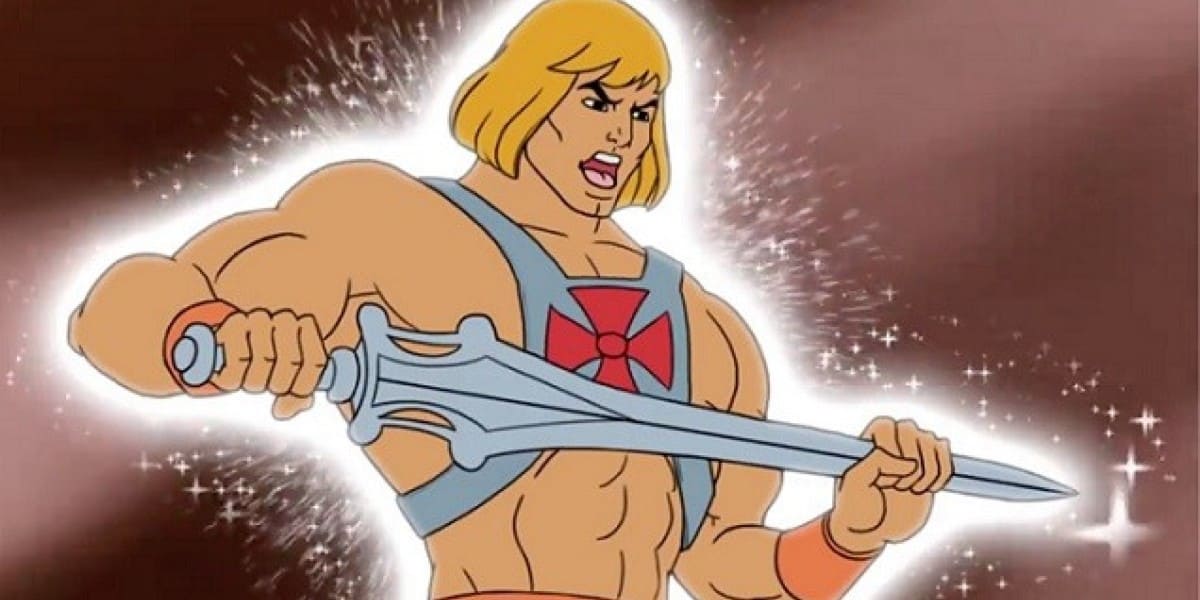
Because The Mandalorian and Groguares are hemorrhaging viewers at an unprecedented rate, IMAX cannot afford to let its theaters sit half-empty. The exhibitor made the aggressive business decision to pivot early, announcing that tickets are now on sale for Masters of the Universe, which will take over premium screens on June 5, 2026.
While Masters of the Universe was initially tracking for a conservative $35 million opening weekend, its marketing campaign has generated major momentum. By kicking Star Wars out of premium auditoriums a week ahead of schedule, IMAX is making a calculated bet that the nostalgic allure of He-Man will net a higher per-screen average than a collapsing Lucasfilm asset.
The Behind-the-Scenes Corporate Blood Feud
While the box office data provides a clear economic reason for the screen swap, industry insiders suggest that an ongoing corporate feud between Disney and IMAX may have accelerated the eviction.

The friction reached a boiling point during a scheduling conflict over Avengers: Doomsday. Because the Marvel film was scheduled to open directly against Denis Villeneuve’s Dune: Part 3, IMAX chose to honor a pre-existing exclusivity agreement with Warner Bros., denying Disney the premium-screen footprint it demanded.
In a quiet corporate retaliation, Disney used CinemaCon to announce its proprietary “Infinity Vision” theater certification. Under this initiative, Disney will bypass IMAX entirely, certifying independent theater screens that meet a minimum 50-foot width, feature laser projection, and offer Dolby 7.1 audio. Essentially, Disney attempted to create a rival brand to threaten IMAX’s monopoly.

With relationship strains at an all-time high, IMAX had no incentive to carry water for an underperforming Disney film. The moment The Mandalorian and Grogu showed financial vulnerability, IMAX seized the opportunity to pull the plug, protecting its own profits while dealing a quiet public relations blow back to Burbank.
A Brand in Peril
The theatrical collapse of The Mandalorian and Grogu leaves the future of Star Wars cloaked in uncertainty. The strategy of using streaming television as a feeder system for Hollywood blockbusters has officially collapsed under its own weight.

During the 2024 Cannes Film Festival, franchise creator George Lucas publicly lamented how Disney completely discarded his original outlines and visions after purchasing Lucasfilm for $4 billion in 2012. As the current regime struggles to connect with a changing theatrical audience, the franchise is facing an existential crisis. When the carousel of premium screens officially turns over to Masters of the Universe on June 5, it will mark the end of an era—proving that even in a galaxy far, far away, no empire rules forever.