Exposed by the Fandom: Inside the Backlash Over Disney’s Staged Pedro Pascal Disneyland Stunt

Nothing captures the internet’s heart quite like the illusion of spontaneous joy. For Star Wars fans and theme park enthusiasts, the ultimate viral moment is an unscripted celebrity sighting—a magical, real-world encounter in which a Hollywood A-lister interacts directly with everyday guests in a Disney theme park.

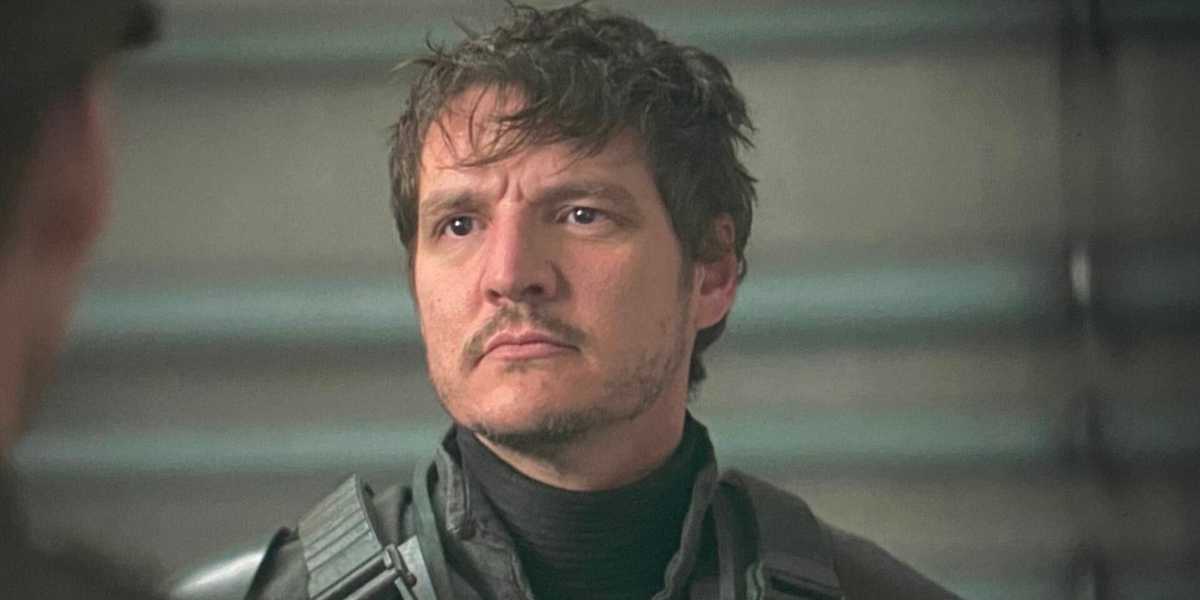
So, when official Star Wars social media channels dropped a heartwarming video of The Mandalorian star Pedro Pascal pulling off “the surprise of a lifetime” at Disneyland’s Star Wars: Galaxy’s Edge, the video instantly went viral. The clip depicted Pascal donning the iconic Beskar armor, stepping into the cockpit of the Millennium Falcon: Smugglers Run attraction, and removing his helmet to a room full of gasping, visibly shocked fans.
The internet caption read: “Pedro Pascal creates the surprise of a lifetime at Star Wars: Galaxy’s Edge at Disneyland.”
It looked like pure, unadulterated Disney magic. However, the initial wave of digital euphoria evaporated almost instantly.
According to an investigative report from The Hollywood Reporter, Disney and Lucasfilm are facing intense heat after eagle-eyed fans exposed the “spontaneous” event as a meticulously planned, highly controlled corporate PR stunt. The “random tourists” losing their minds in the cockpit weren’t ordinary families waiting in a multi-hour line—they were pre-selected internet personalities, prompting a massive wave of backlash against Disney’s increasingly transparent reliance on “manufactured magic.”
The Perfect Viral Clip That Wasn’t
The video, which accumulated millions of views across TikTok, Instagram, and X within hours, was designed to exploit modern social media algorithms. In the high-definition footage, a group of guests is shown buckling into the pilot and gunner seats of the Millennium Falcon simulator. Suddenly, a cast member introduces a special guest performer in full Mandalorian armor.
The figure steps into the tight cockpit, stands before the riders, and slowly lifts off the helmet to reveal a smiling, charismatic Pedro Pascal. The riders react with near-cinematic precision—screaming, putting their hands over their mouths, and tearing up at the sight of the actor.
On paper, it was marketing gold. But the illusion shattered the moment the video hit the hardcore Star Wars fan community.
How the Fandom Blew the Whistle
Within minutes of the video going live, pop culture sleuths and theme park bloggers began identifying the individuals in the cockpit. It didn’t take long to realize that the odds of this specific group of people being randomly assigned to the same ride vehicle were statistically impossible.
The “shocked tourists” were quickly unmasked online as a curated list of:
- High-profile Disney lifestyle influencers
- Prominent Star Wars bloggers
- Southern California-based fan creators
- Vetted social media personalities
The revelation sparked immediate outrage across Reddit and X. Fans realized that instead of a lucky everyday family getting a core memory, Disney had cleared out the attraction, bypassed the paying guests standing in the hot California sun, and staged a private, closed-set influencer marketing event disguised as an organic fan interaction.
The Hollywood Reporter Weighs In on “Careful Phrasing”
As the online controversy escalated, The Hollywood Reporter picked up the story, diving into the mechanics of modern studio PR campaigns. Industry analysts noted a fascinating layer of corporate legal shield-building in Disney’s framing of the entire event.

From the Report: Industry experts highlighted that Disney’s marketing team never explicitly stated in the captions or text that the guests in the cockpit were random park-goers or everyday tourists. They were simply referred to as “fans.”
By using the term “fans,” Disney technically stayed within the realm of factual accuracy—the influencers in the video are indeed fans of the franchise. However, critics argue that the video’s visual language—the shaky-cam framing, the participants’ casual clothing, and the emphasis on the “surprise” element—was intentionally engineered to mislead the general public into believing this was an organic, random stroke of Disney luck.
The Corporate Motive: Box Office Anxiety
Why would Disney risk the goodwill of its core fanbase to fake a casual park surprise? The answer boils down to high-stakes box office pressure.
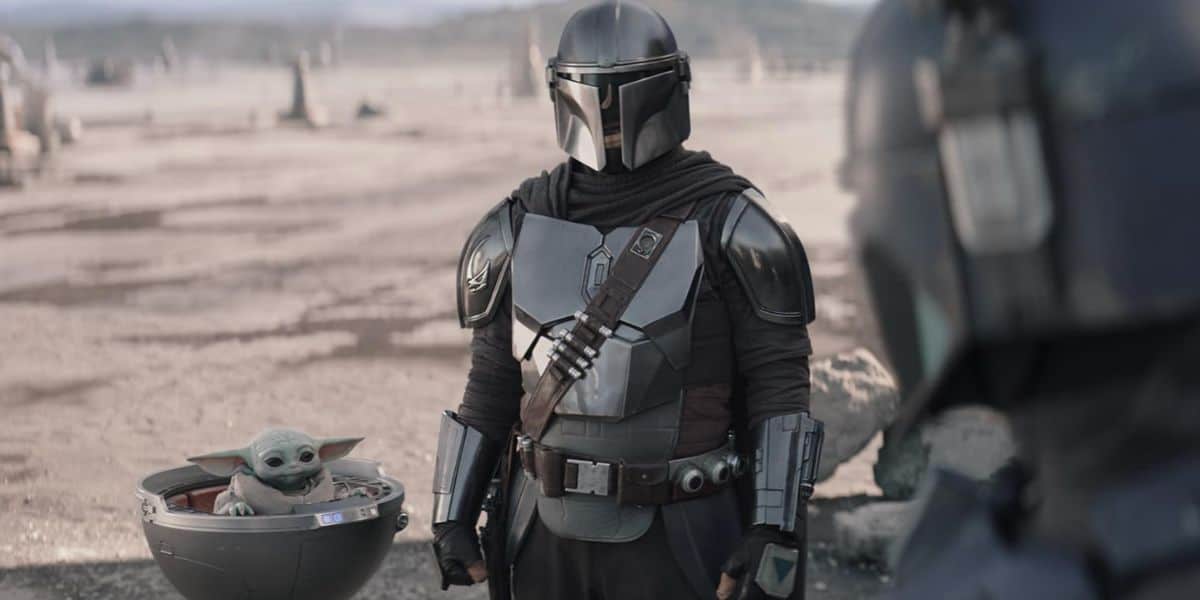
The Walt Disney Company is currently firing up its massive promotional machine for the upcoming theatrical feature, The Mandalorian & Grogu, directed by Jon Favreau. As Disney’s first major foray back into cinemas for the Star Wars franchise following a lengthy theatrical hiatus, the financial and reputational stakes are astronomical.
Compounding this pressure is a shifting digital media landscape. Modern audiences, particularly Gen Z and Millennials, are highly cynical of traditional, glossy movie trailers and forced late-night talk-show press junkets. Marketing executives know that an “authentic” viral moment on TikTok carries tenfold the marketing value of a traditional paid advertisement. Staging an emotional real-world encounter creates an immediate, positive algorithmic push, perfectly priming consumer sentiment for a movie release.
The Risk of Fabricated Wonder
While casual internet users who don’t follow theme park news continue to share the clip with wholesome captions, the core Disney fan community is expressing deep fatigue. The ultimate appeal of a Disney theme park has historically rested on the concept of genuine wonder—the belief that the magic you experience is real, spontaneous, and accessible to anyone who buys a ticket.

By treating the physical spaces of Galaxy’s Edge not as a sanctuary for paying guests, but as a closed-set studio backdrop for covert corporate marketing campaigns, critics argue that Disney is actively eroding consumer trust. When every heartwarming viral moment is exposed as a calculated influencer deployment strategy, the real magic of the parks begins to feel like just another hollow product on a corporate shelf.