Former Disney CEO Bob Chapek Defends Theme Park Price Hikes, Calls Walt’s Values “Outdated”

A new memoir from former Disney CEO Bob Chapek is putting the company’s Annual Pass history back in the spotlight. In an excerpt, he argues that frequent, low-spending Magic Key Passholders were a “terrible deal” for Disneyland Resort.
The History of Disneyland Annual Passes
The program that became the Magic Key began in 1983, 28 years after Disneyland Park opened in 1955. Disney first used the Annual Pass to fill Southern California theme parks during slower seasons, collecting a little extra revenue even though passholders paid a single flat fee for a year of admission.

After the COVID-19 pandemic, Disneyland Resort rebuilt the program as the Magic Key, a tiered system with privileges and blackout dates that varied by price. The original lineup was the Imagine Key (limited to Southern California residents in eligible zip codes), the Enchant Key, the Believe Key, and the Dream Key.
The Dream Key was dropped in 2022 and replaced by the Inspire Key. That change followed a lawsuit from a Dream Key holder who said the top-tier pass had been advertised as having no blackout dates, even though the Disney Park Pass Reservation system often had no availability for Dream Key holders on days it was open to ticket buyers.
Disneyland Resort settled without admitting wrongdoing, splitting a $9.5 million payment among more than 100,000 former Dream Key holders. Chapek, who oversaw the 2021 shift from Annual Pass to Magic Key, was ousted weeks after the suit was filed, clearing the way for Bob Iger’s return.
What Chapek Says in “Behind the Castle Walls”
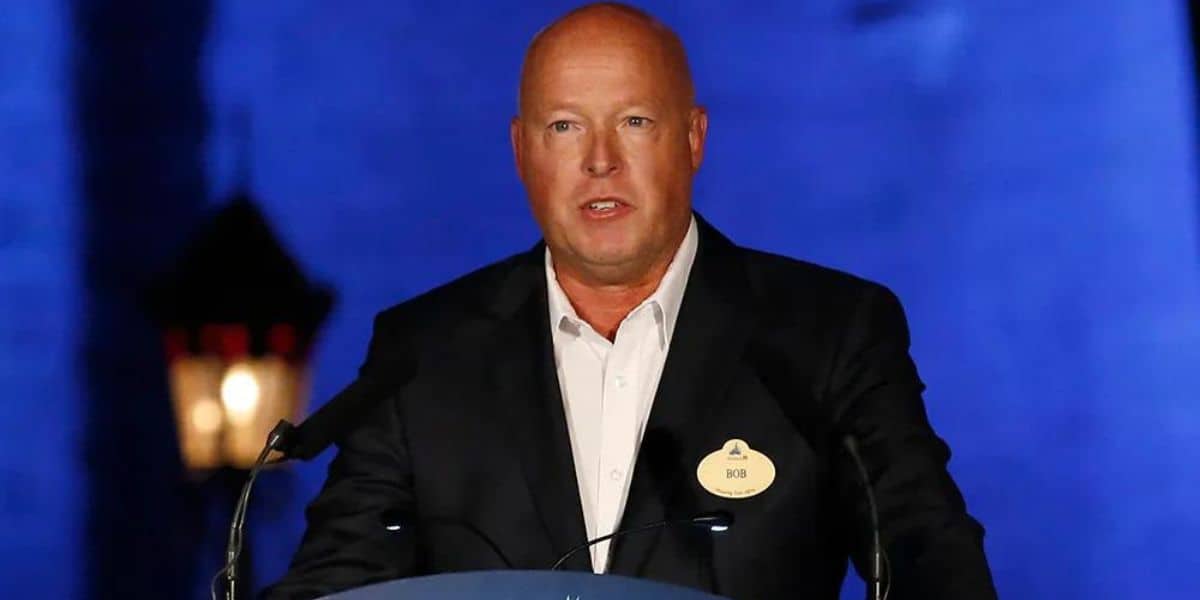
In his memoir, “Behind the Castle Walls: My Thirty Years at the Happiest Place on Earth,” Chapek describes the old passholder model as lopsided. By the time he became chairman of Walt Disney Parks and Resorts in 2015, he writes, the Southern California theme parks no longer had a true offseason and were often overcrowded. At one point, Disneyland Resort had 1.1 million passholders.
“The passholder experience was a fantastic deal for the passholder, but a terrible one for Disney and its more vacation-oriented guests,” he wrote in an excerpt published by The Orange County Register.
Disney’s research found that vacationers spent roughly six times as much per day as Magic Key holders. Out-of-town guests were likelier to buy merchandise and meals, book Disney Resort hotels, and purchase multi-day tickets, which cost far more per day than a heavily used pass.

Chapek says leadership considered eliminating the program but knew the backlash would be severe. “We understood we would get blasted if I attempted to eliminate annual passes altogether, so I moved to shift the math,” he wrote. He also felt Disneyland was “leaving revenue opportunities on the table to avoid stirring the hornet’s nest,” noting that “The pressure from the passholder not to change the status quo was enormous.”
“Shifting the Math”
For Chapek, that meant prioritizing vacationers who spent full days in the parks and stayed in resort hotels, rather than budget-conscious locals who might visit for a few hours after work or school. He also wanted to offer elite access and bespoke experiences to wealthier guests, arguing that it would keep prices down for everyone else.

“The fact remains that some customers generated more revenue than others,” he wrote. “Not that I didn’t appreciate the passion and enthusiasm the passholders had for Disney.”
He says two long-standing traditions made executives wary of overhauling what he called an “outdated system”: an “inviolable virtue” that everyone is treated equally, and an “unwritten principle” that everyone deserves the same experience, which traces back to Walt Disney’s original vision for Disneyland Park.
“People in the company were afraid to change the outdated system, given the fear of a backlash from the loyal passholders who loved the flexibility and value the current system had afforded them for decades,” he recalled.
Prices Rise, Passholders Push Back
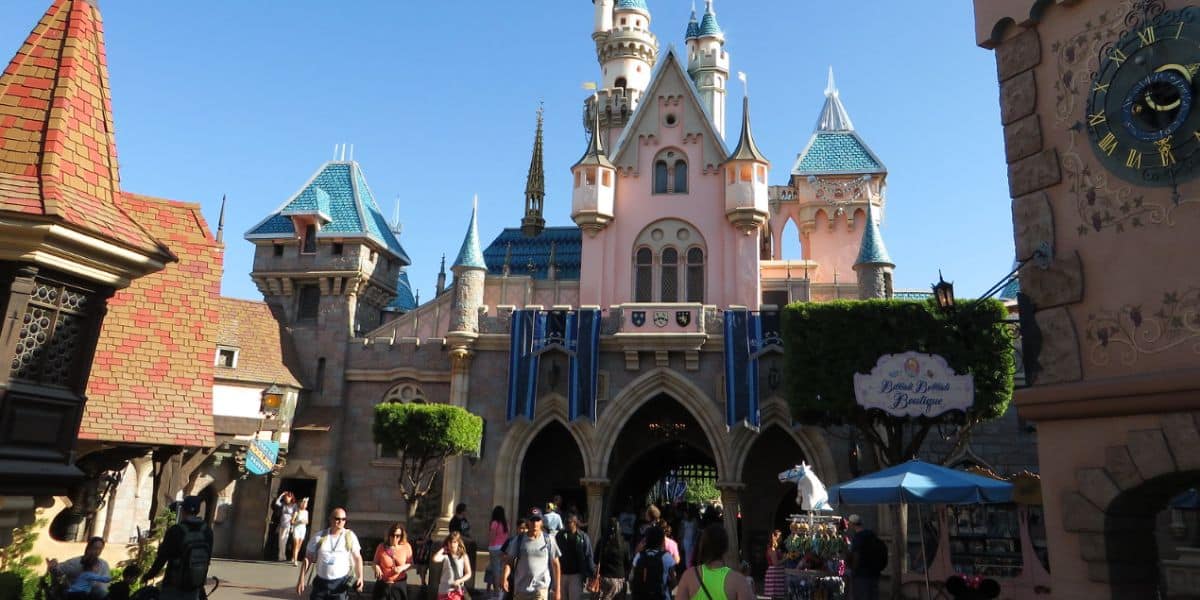
Chapek says he refused to let tradition get in the way of profits. He raised Magic Key prices, introduced tiered ticketing, and used the Disney Park Pass Reservation system to cap attendance. When pricier passes didn’t shrink the Magic Key Passholder population, he kept raising them.
“What seemed like a straightforward solution to me provoked predictable reactions ranging from unease to outrage among passholders,” he wrote. “In particular, the passholders felt the changes did not fit their personal interests and deemed them unfair.”
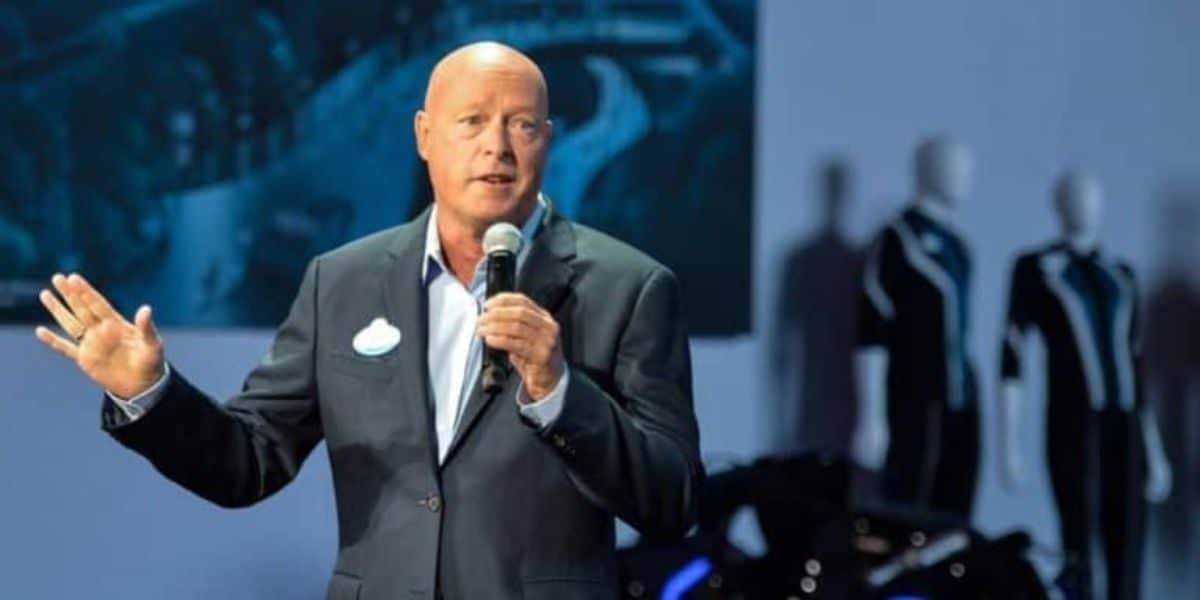
The top Disneyland Annual Pass cost $699 when Chapek became chairman in 2015. By the time he left as CEO in 2022, the top Magic Key cost $1,599, an increase of 128% in seven years.
He viewed the reservation system as a win because it helped Disney forecast attendance and limit passholders in the parks. Passholders, he says, called it “heresy.”
“I was the one tarred and feathered when the reservation system proved unpopular among superfans,” he explained. “Annual passholders complained about the limited flexibility and reservation times and the restrictions on the practice known as parkhopping, or going to multiple parks in one day.”
Magic Keys Today
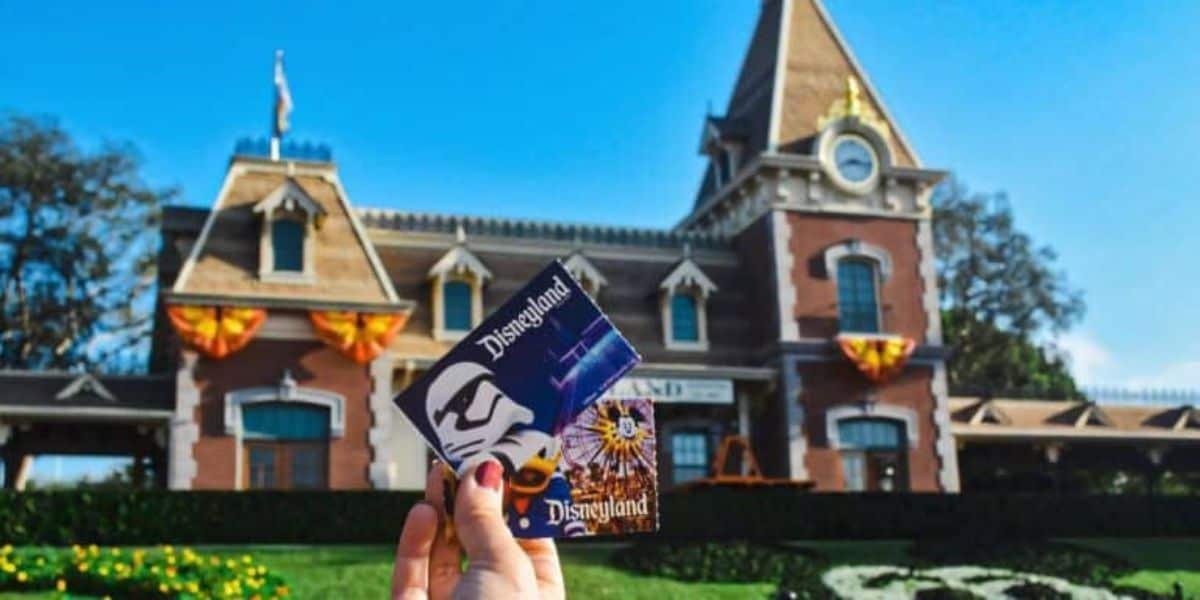
As of October 2026, the top Magic Key costs $1,899. Passholders still need park reservations, though Disneyland Resort recently dropped the no-show penalty for Magic Key Passholders who often book reservations but don’t use them. Disneyland Resort also left Magic Key prices unchanged during the annual October price increase, which occurred this week.
New CEO Josh D’Amaro hasn’t announced plans to cut or end the Magic Key program or Walt Disney World Resort‘s own Annual Pass system.
Were you happy when Bob Iger returned as CEO of The Walt Disney Company? Disney Dining would love to hear from you in the comments!