Disney Replaces Original Goat on Big Thunder Mountain Railroad: Fans React

A small but surprising change has been discovered at Disneyland, and it’s sending longtime fans into a frenzy. The iconic dynamite-chewing goat on Big Thunder Mountain Railroad — one of the park’s most recognizable set pieces — has quietly been replaced. The discovery went unnoticed for weeks until a sharp-eyed guest spotted the difference and took to social media to share the news.
“They replaced the goat on Big Thunder Mountain Railroad at Disneyland and no one is talking about it! I honestly can’t believe I didn’t notice it yesterday but these are two completely different goats! The first photo is from yesterday and the second photo is from July 1st!” the guest wrote, posting side-by-side photos that quickly began circulating among Disney enthusiasts.
The revelation has since sparked widespread conversation across Disney fan communities, with many expressing disbelief that such a longstanding feature could change without public acknowledgment. For casual visitors, it might seem like a minor update, but for Disneyland regulars, this goat isn’t just a prop — it’s a piece of park history.

The Famous Goat of Big Thunder Mountain
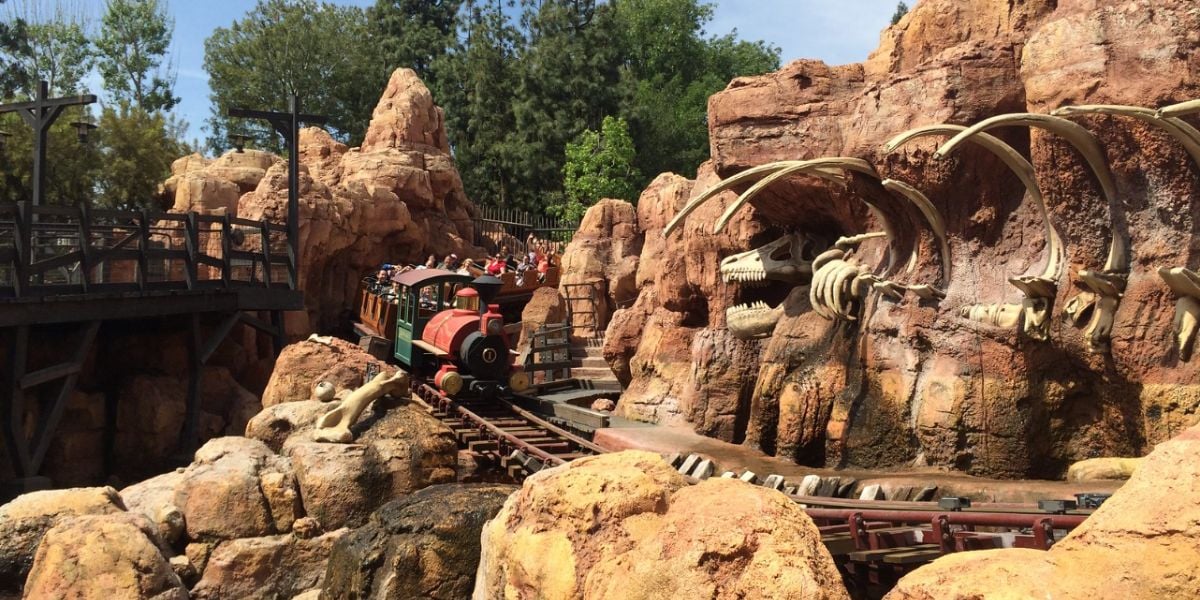
Perched high on the rocky cliffs of Frontierland’s Big Thunder Mountain Railroad, the goat has become an integral part of Disneyland folklore. The character — known for holding a stick of TNT in its mouth — has been a fixture of the attraction for decades and even inspired a tongue-in-cheek fan tradition known as “The Goat Trick.”
This unofficial ritual involves keeping your eyes locked on the goat as the train curves down the mountainside. According to fan lore, the trick enhances the illusion of speed and spinning motion — an optical and psychological effect that quickly became one of the park’s most famous Easter eggs.
For many visitors, the goat embodies the spirit of Imagineering: a mix of humor, attention to detail, and storytelling that transforms even the smallest element into something memorable. That’s why this quiet replacement feels monumental to so many fans.
They replaced the goat on Big Thunder Mountain Railroad at Disneyland and no one is talking about it! I honestly can’t believe I didn’t notice it yesterday but these are two completely different goats! The first photo is from yesterday and the second photo is from July 1st! pic.twitter.com/k6oO6O5dIJ
— Matt (@DisneyScoopGuy) November 4, 2025
Spotting the Difference
When comparing the photos shared online, the differences between the two goats become apparent. The new version maintains the familiar pose — still gripping a stick of dynamite — but features noticeable updates. The sculpt appears smoother, the fur more defined, and the expression slightly altered. The previous model had a rugged, weather-worn look that fit seamlessly into the ride’s Western landscape, while the new goat appears cleaner and slightly more stylized.
Disney has not issued a statement about the update, and no official explanation has been provided regarding when or why the change occurred. However, attraction refreshes like this are far from unusual. Disneyland regularly replaces outdoor figures that are exposed to weather conditions like sun, wind, and moisture, which can cause deterioration over time.
A Minor Change With Major Nostalgia
While many guests might never notice the difference, the Big Thunder Mountain goat holds a special place in Disneyland culture. Generations of fans have taken photos of it, swapped stories about the “Goat Trick,” and celebrated its quirky role in the park’s lore. The goat’s presence is one of those details that exemplifies what fans love most about Disney attractions — the layers of meaning and nostalgia baked into even the smallest moments.
That’s why the discovery has struck such a chord. The idea that the goat — a symbol of Disneyland’s eccentric charm — could change without anyone realizing for weeks feels almost surreal to longtime fans who pride themselves on catching every detail.
Why the Goat May Have Been Replaced
Although no official reason has been given, experts and fans alike have speculated that the change may have been a routine refurbishment. Outdoor props like the goat endure years of direct sunlight, rain, and wind, which can cause fading and cracking. Rather than repair the original figure, Disneyland may have opted to replace it with a new mold — possibly one built using updated materials or even digital 3D modeling techniques.
The use of new materials is a common practice in modern Disney Parks maintenance. In recent years, figures at attractions like Pirates of the Caribbean, Jungle Cruise, and The Haunted Mansion have received similar updates, often designed to better withstand the elements while maintaining the attraction’s original design.
For Big Thunder Mountain Railroad — which first opened in 1979 and was designed by Disney Legend Tony Baxter — such maintenance helps preserve the ride’s longevity without fundamentally altering its identity.
The Goat’s Place in Disney Park History
The goat has been part of Big Thunder Mountain’s story for decades, cementing its status as an unofficial mascot of the attraction. Its dynamite-chewing pose is both absurd and perfectly suited to the chaotic mining theme, symbolizing the sense of adventure and mischief that defines the ride.
The goat’s rise to fame began when fans on early Disneyland message boards coined the term “The Goat Trick,” turning the figure into a cult phenomenon. The trend spread quickly, with YouTubers, bloggers, and park guides referencing it as a must-try Easter egg for thrill-seekers.
Over time, the goat evolved from a simple set piece into a beloved symbol of Disneyland’s layered storytelling. It’s a prime example of how even a single detail can take on a life of its own when it captures the imagination of guests.
A Tradition of Quiet Updates
Disneyland has a long history of making subtle updates to its attractions without fanfare. From refreshed animatronics in Pirates of the Caribbean to new character figures in Jungle Cruise, these changes are part of the park’s ongoing evolution. But few updates have resonated with fans quite like this one.
That’s partly because the goat represents something more than just an animatronic — it’s a shared memory. For many, it’s one of the earliest details they noticed as kids, a moment of surprise and laughter in the middle of the “wildest ride in the wilderness.”
And while the new goat looks slightly different, its presence remains a reminder of what makes Disneyland special: the balance between progress and nostalgia, preservation and reinvention.
Fans React to the Change
Online, reactions have ranged from playful disbelief to affectionate nostalgia. Some fans joked that the new goat “just had a spa day,” while others admitted they didn’t notice the difference until the comparison photos surfaced.
But the overall sentiment is one of appreciation — both for the detail itself and for the community that noticed it. Disneyland thrives on those small discoveries, the moments that spark conversation and connection among fans who love to analyze every corner of the park.
After all, in a park where every rock, lantern, and critter tells a story, even a new goat can make history.