
Disney President Dana Walden Called the Last Layoff Round Voluntary, Reporting Said Otherwise

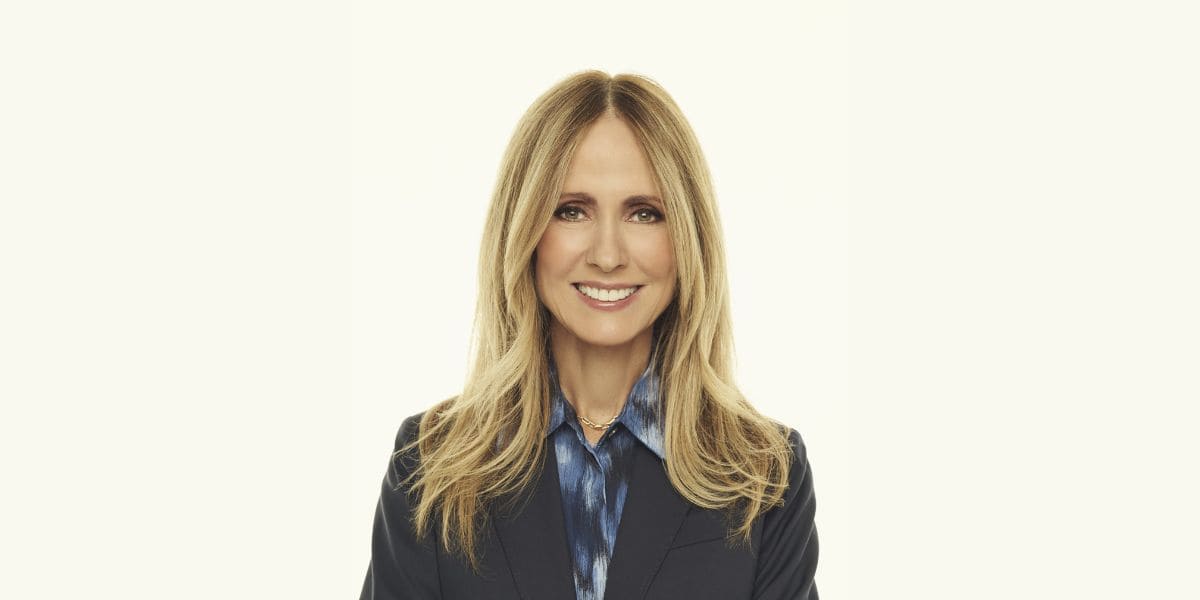
Disney President and Chief Creative Officer Dana Walden has explained what went wrong with live-action Moana.
Her answer: It came out too soon after the animated sequel.
She said it at Bloomberg’s Screentime this week, in a conversation that also touched Jimmy Kimmel and this year’s layoffs.
Her Explanation
“It’s so competitive right now that you have to have the right film at the right time, with audiences feeling a certain degree of demand,” Walden said.
“I would say our live-action Moana, which is excellent, I think it was hurt by the proximity to our second animated version of Moana, which came together under unusual circumstances, but premiered about 18 months before this one. So perhaps there was not enough time to create a lot of pent-up demand for another film.”
Moana 2 arrived in November 2024. Live-action Moana followed in July 2026.

The Numbers She Is Explaining
Projected opening weekend: $85 million.
Actual opening day: $18 million.
The film may ultimately lose more than $100 million, and its Rotten Tomatoes score was poor.
That is a 79 percent miss against Disney’s own projection. Timing explains softness. It does not explain a collapse that size.
What She Did Not Mention
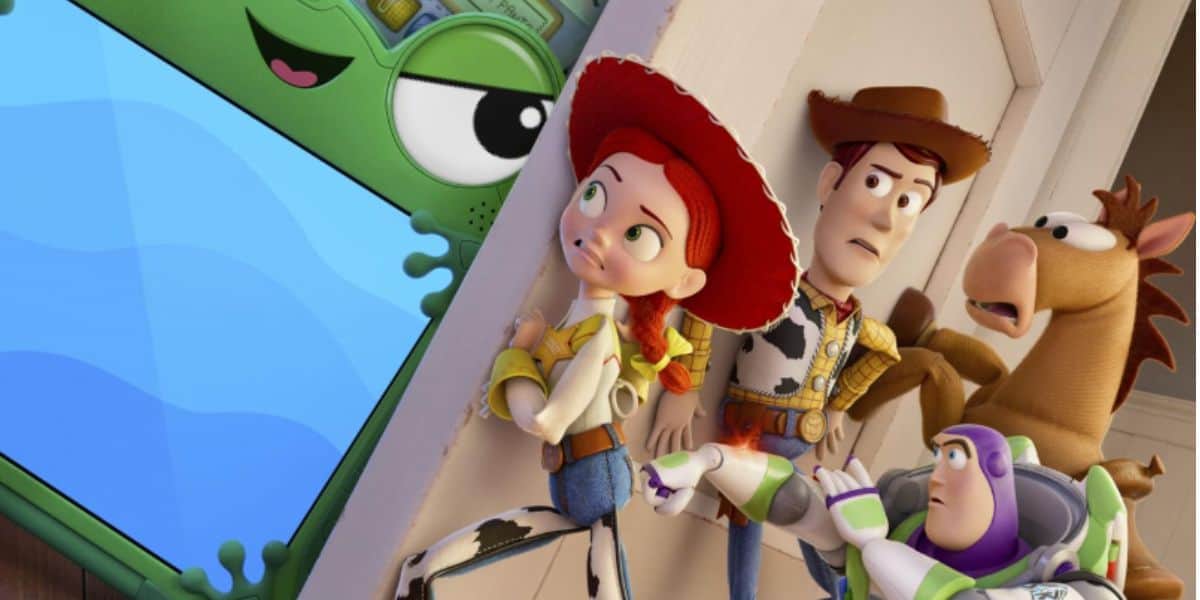
It was in theaters around the same window and crossed $1 billion globally, one of Disney’s strongest releases of the year.
So Disney had a billion-dollar animated family film competing for the same audience that month.
Walden named an animated Disney film from 18 months earlier. She did not name the animated Disney film from that same month, which took in a billion dollars.
She also did not mention the reviews, and a movie opening at a fifth of its projection is usually a word-of-mouth problem.
A Question Her Answer Raises
If 18 months was too close, what gap is correct?
Every Disney live-action remake is designed to be proximate to a beloved animated original. That is the premise.
Disney has more remakes coming and no stated answer.
On Jimmy Kimmel, No Decision
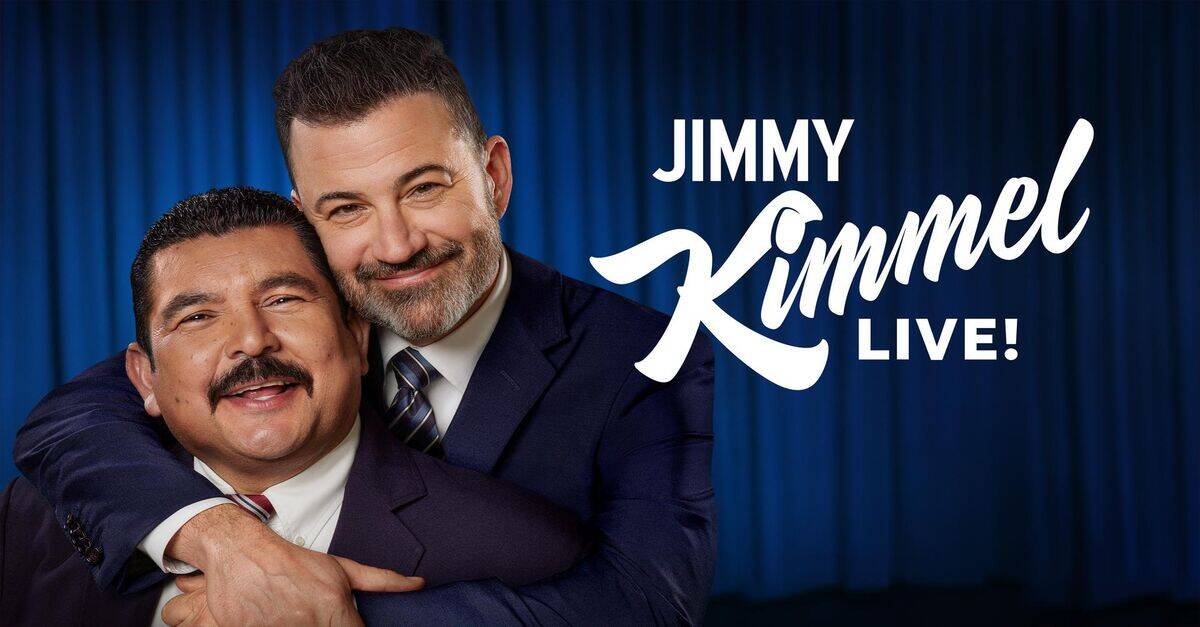
Asked whether Kimmel returns to ABC next year, Walden said she is working on it.
“It’s a very challenging daypart, late-night,” she said. “That’s not to say that Jimmy is not doing a phenomenal job, and his ratings are up, but they’re up relative to a smaller audience that’s watching late night on broadcast television.”
She noted millions watch him on YouTube, which may not be the most lucrative outcome, and framed it as three questions. “What does Jimmy want? What’s the right thing to do, and what’s the right thing for our business?”
Entirely an economic answer.
Not mentioned: Kimmel’s brief September 2025 suspension over a comment about the killing of Charlie Kirk, his return within a week, Nexstar and Sinclair halting preemptions, investors demanding records, or the deal extension through 2027.
Also not mentioned: the FCC announced in April that it would review Disney’s ABC licenses two years early. The commission tied it to its DEI investigation, but the order came one day after President Trump called for Kimmel’s firing over a Melania Trump joke. Former FCC officials later called the early review “an assault on free speech.”
Answering purely in daypart economics, against that backdrop, is a choice.
“I’m working on it” is not a renewal.
One Layoff Claim Worth Checking
Walden addressed the cuts, the latest affecting a few hundred employees, mostly in tech and HR.
“This past round was a voluntary retirement program, which was extremely generous and gave a number of our long-tenured executives agency and the opportunity to make their own decisions around whether the timing was right to leave or to stay.”
Here is the problem.
Disney did offer voluntary early retirement, reported in August, to director-level and above. Real program, accurately described as an elective.
The late-September round was reported as a few hundred cuts concentrated in tech and HR. Different action. Nothing described it as voluntary.
Calling the most recent round a voluntary retirement program merges two separate events and makes involuntary cuts sound like a choice. Possibly just imprecision in a live interview. It matters a great deal to the people in it.
The Year
April: roughly 1,000 cut after Josh D’Amaro succeeded Bob Iger as CEO.
July: hundreds across Pixar, ESPN, and National Geographic.
August: voluntary retirement offers.
September: tech and HR reductions.
Walden’s stated reasoning: “This evolution will never stop, technology sets its sights on our business, and we must survive and thrive and grow.”
Source: Dana Walden’s remarks at Bloomberg’s Screentime, as reported by Variety.



She needs to go! No choice, no incentives, just out!