For the past six months, visitors stepping through the turnstiles at Walt Disney World found themselves enjoying a surprisingly uncrowded experience. Following a quiet spring and one of the slowest summer seasons in recent theme park history, industry watchers debated whether the traditional “Disney off-season” had permanently shifted, with summer unexpectedly emerging as the year’s quietest stretch.
From early summer through September, average wait times across Magic Kingdom, EPCOT, Disney’s Hollywood Studios, and Disney’s Animal Kingdom dropped to multi-year lows. Late August and early September delivered some of the lowest attendance numbers recorded since 2021.
However, that half-year stretch of walk-on rides and open pathways has officially come to an end.
As autumn takes hold and the holiday travel season approaches, park attendance has surged across the Orlando resort. Walt Disney World is currently experiencing its highest crowd levels and longest queue times in over six months, signaling a return to heavy seasonal volume that is catching casual vacationers off guard.
Tracking the Six-Month Slump Before the Surge
To appreciate the scale of the current influx, it helps to examine the steady decline in park traffic that preceded it.
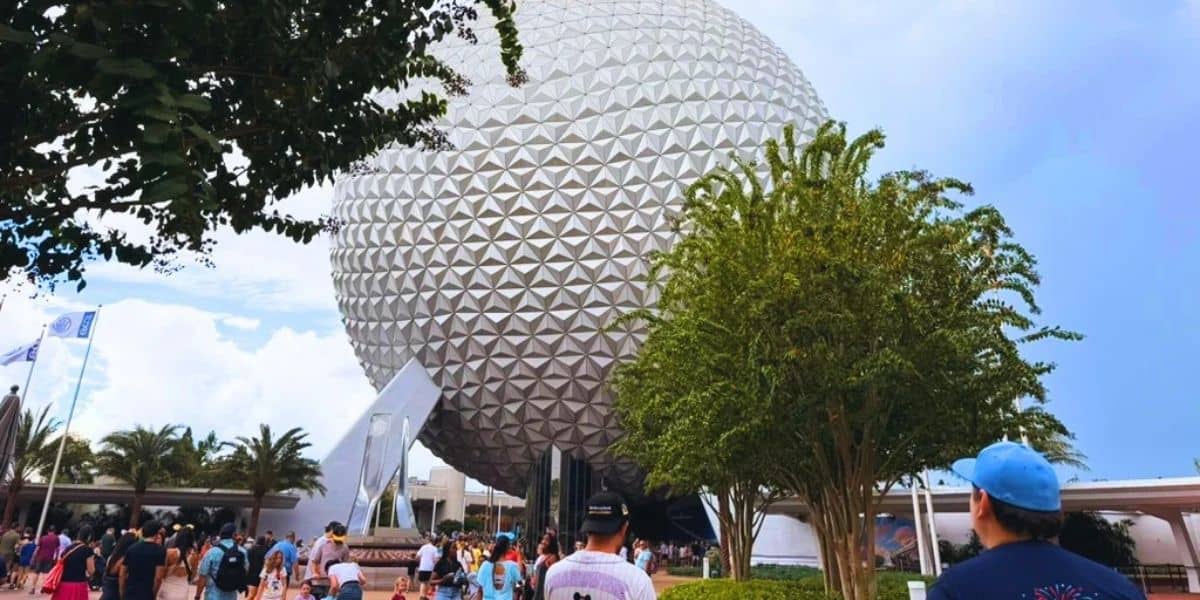
Historically, the summer months brought packed midways and intense heat. Recent travel trends, however, flipped that familiar pattern on its head. Data tracking average attraction wait times across all four theme parks highlights a clear drop throughout the warmer months:
- March: 36 minutes
- April: 34 minutes
- May: 30 minutes
- June: 27 minutes
- July: 27 minutes
- August: 27 minutes
- September: 26 minutes

The lowest point occurred during the four-day window from August 31 through September 3, when average attraction wait times plummeted to between 15 and 19 minutes resort-wide. For local Annual Passholders and spontaneous visitors, late summer offered a rare opportunity to experience popular rides with minimal delays.
What Sparked the Sudden Attendance Jump?
A combination of school breaks, seasonal event schedules, and upcoming holiday travel drove the sudden return of heavy crowds.
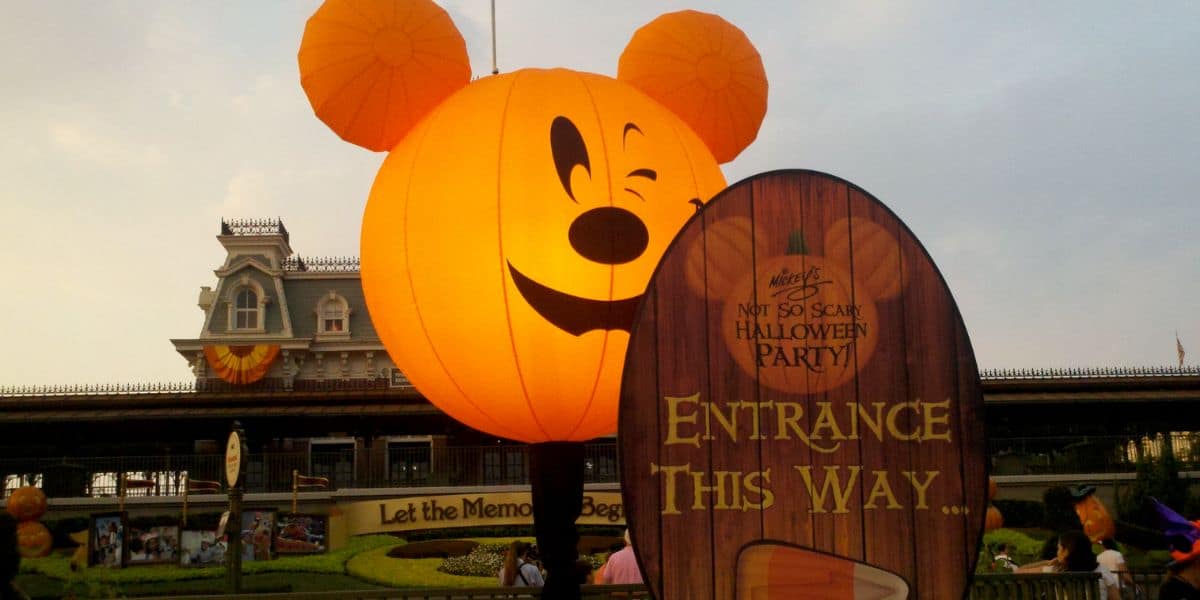
1. Concentrated Fall Break Travel
Unlike Spring Break, which spans six weeks as school districts across North America stagger their vacation weeks, Fall Break is tightly concentrated in mid-October.
Major public school districts across Florida, which account for a significant share of local and regional park attendance, scheduled student holidays in mid-October. At the same time, major feeder school districts in the Midwest and South—including systems in Illinois, Georgia, Indiana, Virginia, and North Carolina—observed scheduled Fall Breaks, sending thousands of families south to Orlando.
2. Operational Impact of After-Hours Events
At Magic Kingdom, daily crowd distribution has become increasingly uneven due to the schedule of hard-ticket events like Mickey’s Not-So-Scary Halloween Party.
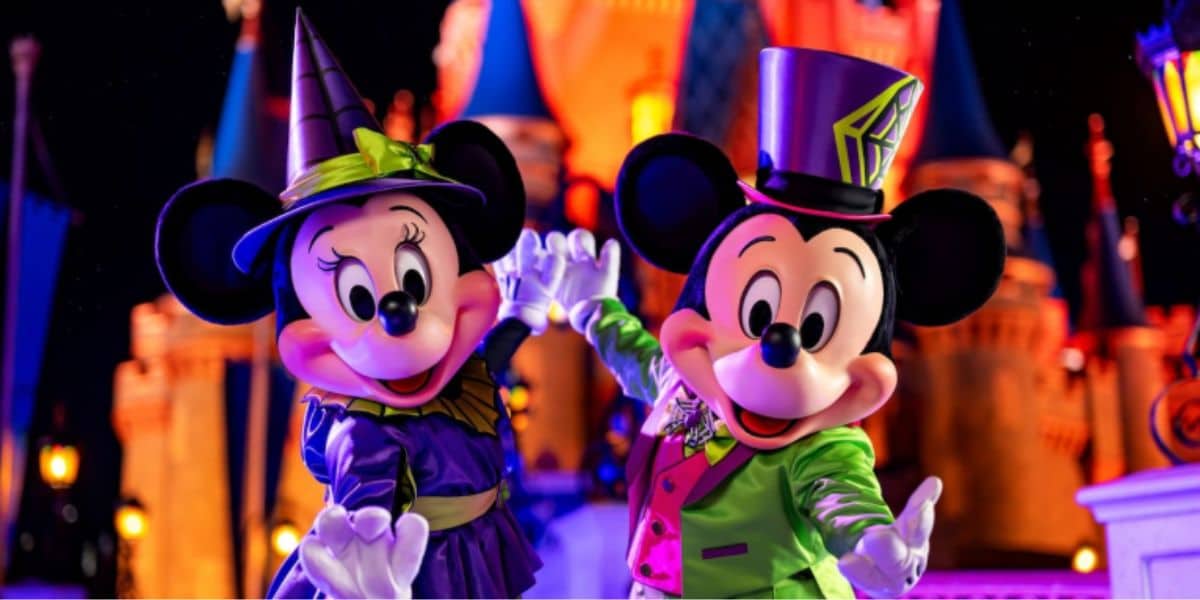
On party nights, Magic Kingdom closes to standard day guests early at 6:00 p.m. Because non-party guests naturally prefer to maximize their park hours and watch the evening fireworks, non-party days experience massive attendance spikes. This pattern creates sharp daily swings, with heavy congestion on non-party days contrasting with moderate crowds on party days. However, as baseline resort attendance has risen, wait times on party days have also begun to climb.
3. Early Holiday Travel Rhythms
The autumn surge marks the start of an uninterrupted stretch of holiday festivities at the resort. With major events on the horizon—including the runDisney Wine & Dine Half Marathon Weekend, Veterans Day weekend, Thanksgiving, and the launch of Christmas celebrations—travelers are booking autumn getaways before peak winter holiday pricing takes effect.
What Visitors Can Expect Through Late 2026
Vacationers planning a trip to Walt Disney World between now and the end of the year should adjust their expectations, as the low wait times of summer are unlikely to return anytime soon.

Travelers visiting during the fall and winter months should anticipate:
- Longer Attraction Queues: Average wait times across the resort are expected to remain near or above 30 to 35 minutes, with top-tier rides like Star Wars: Rise of the Resistance, Avatar Flight of Passage, and Seven Dwarfs Mine Train regularly exceeding 75 to 100 minutes during peak hours.
- Fewer Promotional Offers: While Disney released targeted ticket discounts to stimulate demand during the slower summer period, promotional deals are far less common during the busy fall and winter quarters.
- Tighter Availability for Dining and Express Options: Advance Dining Reservations and Lightning Lane pass selections are filling up much faster than they did during July and August.
Smart Strategies for Navigating High Crowds
While the quiet summer months have passed, smart planning can help guests make the most of their park days during high-attendance periods:

- Use Early Theme Park Entry Wisely: Guests staying at Disney Resort hotels can access the parks 30 minutes before official opening time. Arriving at the turnstiles 30 minutes before Early Entry allows visitors to complete one or two headline rides before the main crowds arrive.
- Consider Visiting Magic Kingdom on Event Days: Vacationers who are not concerned with seeing nighttime fireworks can take advantage of lower morning wait times at Magic Kingdom on days scheduled for early 6:00 p.m. party closures, as non-party guests tend to avoid those dates entirely.
- Take Advantage of Evening Hours: Theme park crowds generally peak between 11:00 a.m. and 4:00 p.m. Spending the middle of the day dining, watching indoor shows, or resting at a resort allows guests to focus on major rides during the quieter morning and late-evening hours.
The six-month period of low crowds gave visitors a unique look at a quieter Disney World, but high seasonal demand has returned. With the holiday season right around the corner, having a strategic plan is key to navigating the bustling parks.