Planning a Walt Disney World vacation has always required careful budgeting, but skipping the standby lines at Central Florida’s most popular theme parks is about to get significantly more expensive.

Beginning Sunday, November 1, 2026, Walt Disney World is officially pushing its Lightning Lane Single Pass pricing to unprecedented record highs across multiple theme parks. Four of the resort’s premier headliner attractions will hit their highest-ever per-person costs, forcing holiday visitors to pay a steep premium if they want to bypass long queues.
The latest price hikes raise the single-ride ceiling by $1 to $3 per person above previous all-time records, bringing several marquee coasters and dark rides to an eye-watering $25 per rider. Here is a comprehensive breakdown of the updated Lightning Lane pricing, how costs have surged since the service first launched, and what these record-high rates mean for your upcoming trip.
The New Record Highs Starting November 1
Unlike the broader Lightning Lane Multi Pass—which allows guests to book multiple lower-tier attractions throughout the day for a single daily fee—Lightning Lane Single Passes are purchased à la carte for a resort’s most in-demand rides. Disney utilizes a dynamic pricing model for these passes, with rates fluctuating daily based on seasonal demand, projected park attendance, and the day of the week.
As the calendar turns to November and the resort transitions into its peak holiday season, Disney is raising the maximum price ceiling on four marquee attractions across Magic Kingdom, EPCOT, and Disney’s Animal Kingdom:
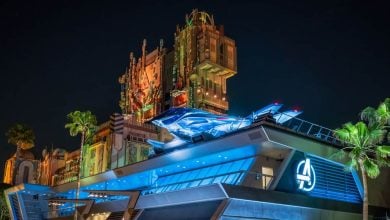
- Guardians of the Galaxy: Cosmic Rewind (EPCOT): $25 per person (up from a previous high of $22)
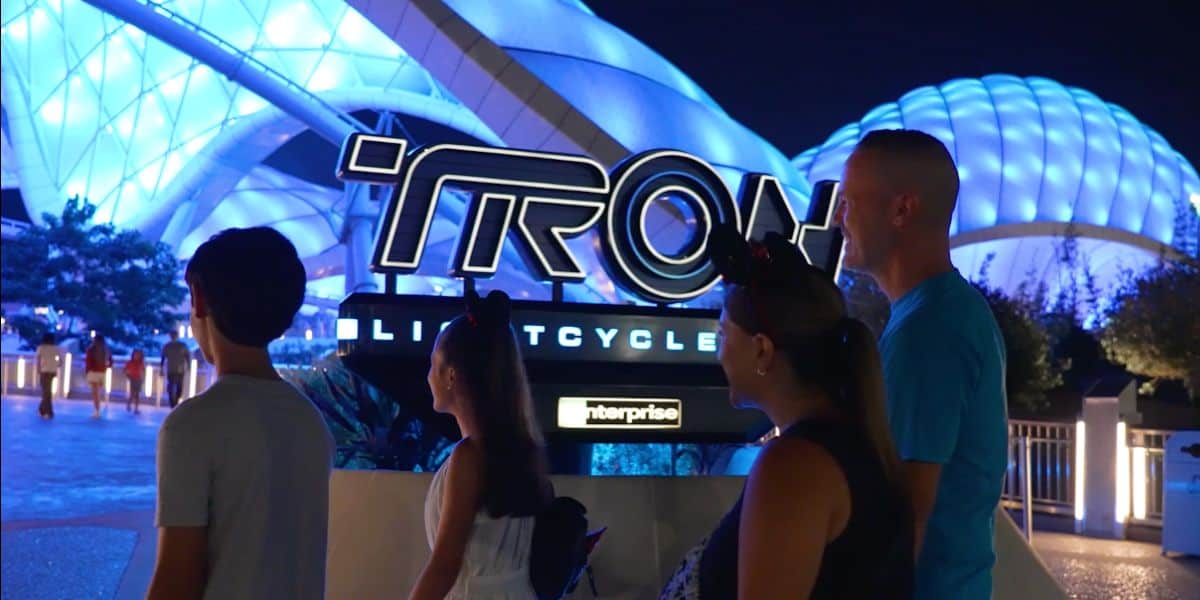
- TRON Lightcycle / Run (Magic Kingdom): $25 per person (up from a previous high of $23)
- Avatar Flight of Passage (Disney’s Animal Kingdom): $20 per person (up from a previous high of $19)
- Seven Dwarfs Mine Train (Magic Kingdom): $18 per person (up from a previous high of $15)
Remarkably, the previous price records for all four of these attractions were established on October 29, 2025—almost exactly one year prior. By raising these price ceilings once again, Disney is signaling that guest demand for line-skipping privileges during busy travel periods remains exceptionally strong.
The $25 Club and the $100 Family Milestone
With TRON Lightcycle / Run and Guardians of the Galaxy: Cosmic Rewind hitting the $25 mark, three out of the five individual Single Pass attractions at Walt Disney World now carry a maximum price of $25 per person (joining Star Wars: Rise of the Resistance at Disney’s Hollywood Studios, which already sits in the top-tier pricing bracket).

For a standard family of four, crossing this threshold represents a psychological and financial milestone. Purchasing a Single Pass for a family of four on any of these three premium rides will now cost $100 for a single turn on the attraction.
This $100 surcharge comes on top of standard theme park admission, which frequently exceeds $150 to $180 per ticket during busy November and December dates. Given that the coaster portion of TRON Lightcycle / Run lasts under two minutes, guests choosing the line-skipping route on peak days will effectively be paying over $50 per minute of ride time for a family.
Historical Price Creep: How We Got Here
To understand the scope of this price surge, it helps to examine how much costs have escalated since Disney replaced its former complimentary FastPass+ system with paid line-skipping passes. Over the past few years, maximum Single Pass rates have quietly outpaced general inflation:

- Seven Dwarfs Mine Train: Originally debuted with a maximum cost of $10. The new $18 peak represents an 80% price increase.
- Avatar Flight of Passage: Launched with a maximum price of $13. At $20, its top rate has climbed by nearly 54%.
- Guardians of the Galaxy: Cosmic Rewind: Opened with a peak price of $14. Its rise to $25 marks a massive 78% increase.
- TRON Lightcycle / Run: Debuted with a top-tier launch price of $19. Reaching $25 reflects a 31% increase since its opening.
Despite these steady rate increases, Single Pass allotments for marquee coasters regularly sell out early in the morning—often within minutes of opening to Disney resort hotel guests at 7:00 a.m. High consumer demand continues to validate Disney’s surge-pricing strategy.
Why November Triggers Record Pricing
The timing of these record-high prices coincides directly with the onset of the holiday travel rush. Early November marks the beginning of Walt Disney World’s busiest time of year, as Halloween festivities wrap up and festive transformations sweep across the resort.
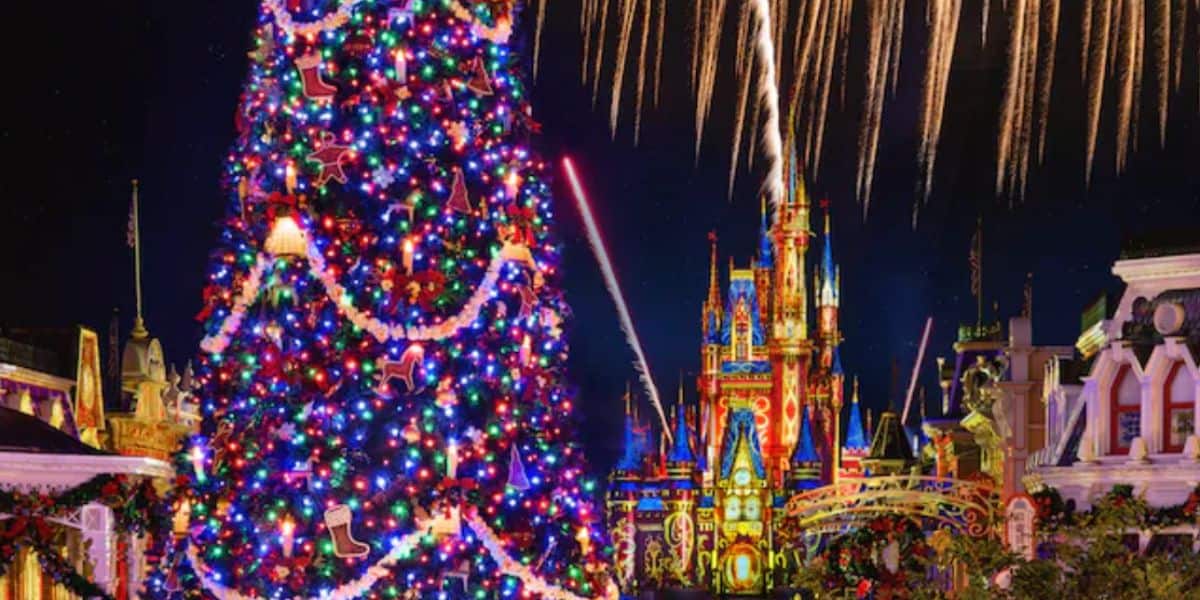
With events like Mickey’s Very Merry Christmas Party at Magic Kingdom, Disney Jollywood Nights at Hollywood Studios, and the EPCOT International Festival of the Holidays drawing massive crowds, park attendance spikes sharply throughout November and December. Higher attendance leads to longer standby queues, which naturally increases guest willingness to purchase Single Passes to save precious vacation time.
Smart Ways to Skip the Line Without Paying the Surge
If spending $25 per person for a single ride isn’t in your vacation budget, you can still experience these top-tier attractions without paying the maximum Single Pass price:
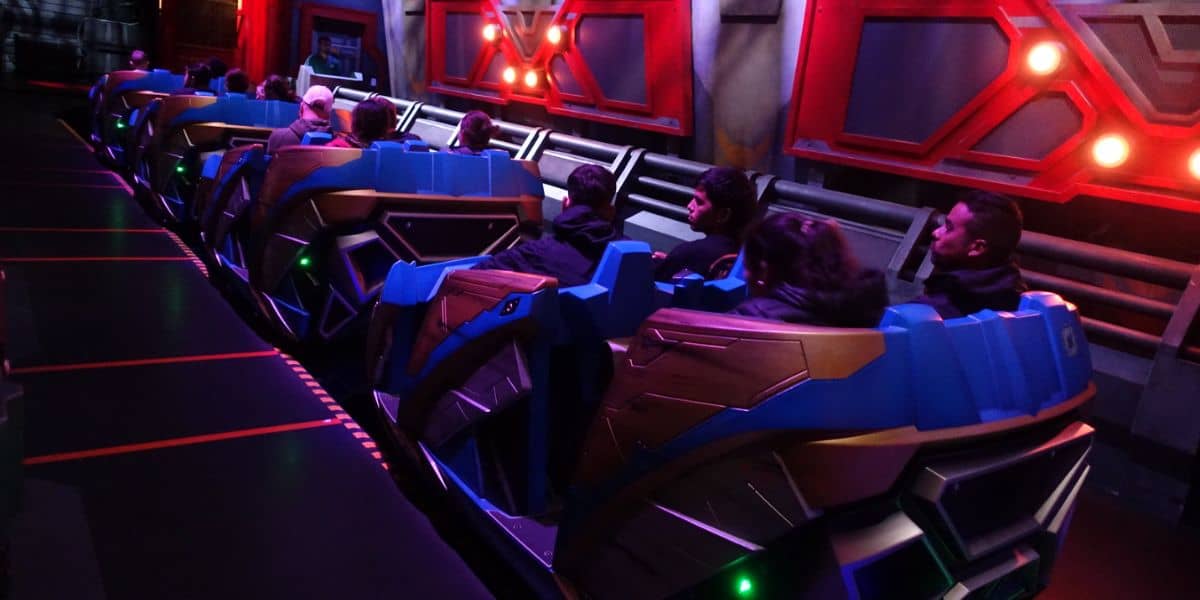
- Utilize Free Virtual Queues: Both TRON Lightcycle / Run and Guardians of the Galaxy: Cosmic Rewind offer a free Virtual Queue option via the My Disney Experience app. Guests can attempt to join boarding groups at 7:00 a.m. or 1:00 p.m. daily.
- Rope Drop and Early Entry: Disney Resort hotel guests receive 30 minutes of early entry to all four parks every day. Arriving early allows you to head straight to headliners like Seven Dwarfs Mine Train or Flight of Passage before public lines build up.
- Ride at the End of the Night: Standby wait times often drop significantly during nighttime fireworks or right before park closing. Joining a queue one minute before the park officially closes guarantees you a spot in line.
As Disney continues to adjust its pricing structure for peak demand periods, careful planning remains the most effective tool for navigating park visits efficiently.