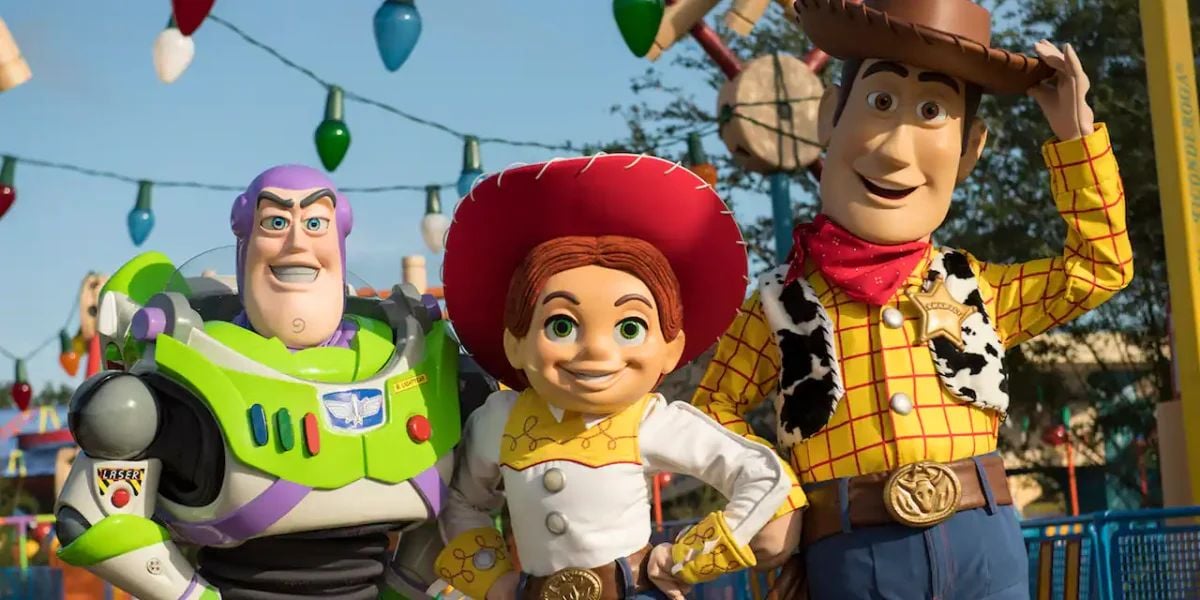
Disney characters have always been a huge part of what separates Walt Disney World from an ordinary amusement park. Guests don’t simply watch their favorite characters on a screen. They can walk into their worlds, see them inside attractions, and sometimes interact with them face-to-face.
But Disney is exploring technology that could make those interactions look very different in the future.

A recently revealed Disney patent describes technology that could allow robotic and digital characters to carry on more natural conversations with guests. Instead of being restricted to a small collection of programmed responses, characters could use large language models and a “memory bank” to figure out what to say while remaining faithful to their personalities.
If Disney eventually turns the patent into an actual theme park experience, it could open the door to replacing older scripted character models with much more advanced AI-powered versions.
And Disney certainly has no shortage of characters that could potentially use it.
Disney Is Looking Beyond Scripted Character Interactions
Disney has already started experimenting with characters that can move through its theme parks in ways that weren’t possible years ago.
Roaming robots are one example. Disney has used droids in Star Wars: Galaxy’s Edge at Disneyland, while an Olaf animatronic has appeared in World of Frozen at Disney Adventure World.
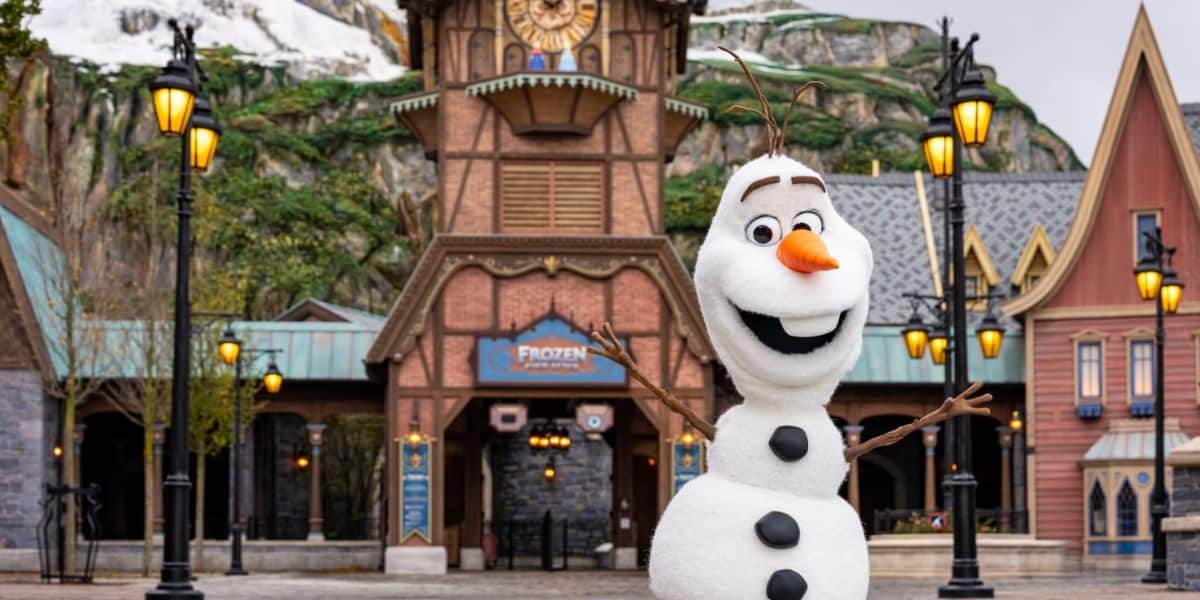
The patent takes the idea further by focusing on conversation.
Traditionally, this type of character can depend on prerecorded material and dialogue trees. That works when guests interact with the character in an expected way, but the illusion can fall apart when someone asks an unusual question.
Disney specifically identifies the problem with those interactions feeling robotic or inauthentic. The proposed technology would instead use a large language model alongside information stored for the character, allowing conversations to flow more naturally.
In other words, Disney wouldn’t need to predict every question before an experience opens.
The character could potentially respond in real time.
Disney Could Eventually Upgrade Dozens of Familiar Faces
That’s where the possibilities get much bigger.
Nothing in the patent says Disney is preparing to replace every traditional character at Walt Disney World. Disney also hasn’t announced plans to eliminate human character performers.
But if this technology works, Disney could have a new way to bring characters to life throughout its parks.
Think about characters that are difficult to portray through a traditional meet-and-greet. Small creatures, robots, droids and other unusual figures could become far more interactive.
Disney could eventually explore the technology with recognizable characters such as Olaf, Stitch or even members of the classic Disney lineup.
The major difference would be what happens when guests approach them.
Instead of hearing the same handful of responses, a guest could ask something completely unexpected. The character could consult its established “memory,” process the question and deliver a response appropriate to its personality.
That could make repeat interactions considerably more interesting.
AI Could Make Disney Characters Feel More Alive
Disney’s challenge isn’t simply making a robot talk.
It has to make guests believe that they’re talking to the character.
Disney places significant importance on character integrity, according to the report. Any autonomous character would need to stay within the boundaries Disney establishes for that personality.
That’s especially important when dealing with characters children have known for years.
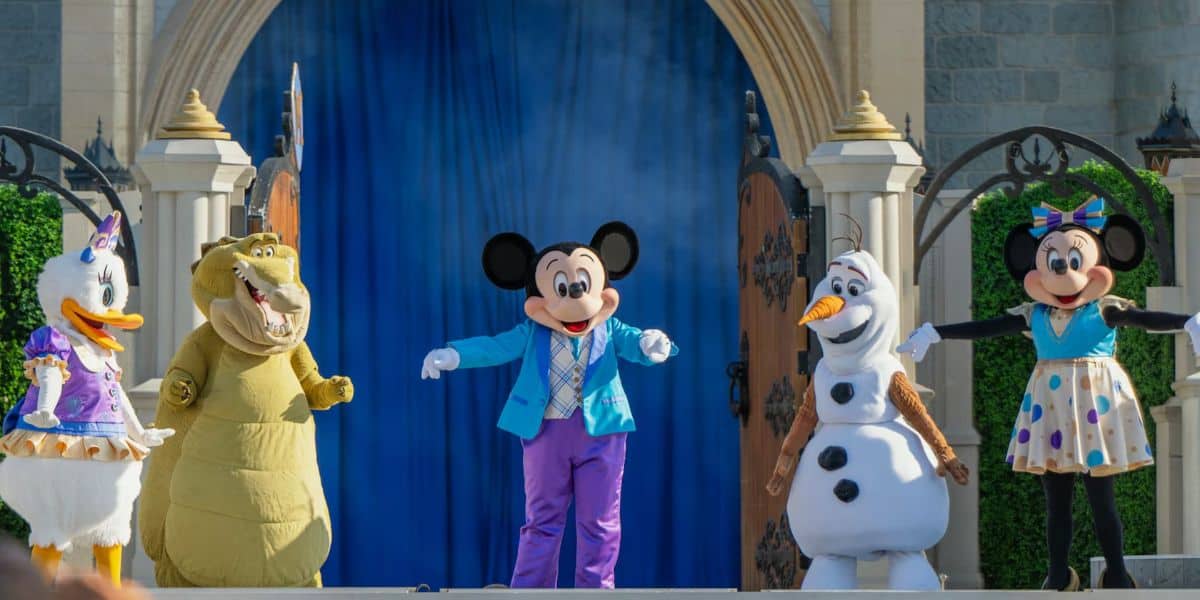
Mickey Mouse can’t suddenly act nothing like Mickey Mouse. Olaf can’t start answering questions in a way that contradicts his personality or world.
Disney would need to carefully control what information an AI system could access and how it generates responses.
If Imagineers can solve those problems, though, the technology could completely change character interactions.
Disney has already spent years improving animatronic movement and experimenting with roaming robots. Adding believable conversations could become another major piece of that puzzle.
Don’t Expect Disney World to Change Overnight
There is one major catch to all of this: Disney has filed a patent, not announced a new Walt Disney World attraction.
Patents regularly cover technology that changes significantly before reaching guests, and some patented concepts never appear in the parks at all.
There is currently no confirmed timeline for Disney to introduce these AI-powered characters at Walt Disney World.

Still, the patent offers an interesting look at where Disney sees character technology potentially heading.
If Imagineers eventually perfect a system that lets autonomous characters listen, remember information and respond naturally, Disney would have applications for it across numerous parks and themed lands.
The biggest change wouldn’t necessarily be replacing Mickey Mouse, Olaf or another beloved character.
It would be replacing the limitations surrounding them.
Disney characters have traditionally been able to say and do only what an experience was designed to allow. AI could potentially give Imagineers considerably more flexibility.
For now, Disney’s classic characters aren’t going anywhere.
But if this technology makes the jump from patent documents to the parks, the way guests interact with dozens of them could eventually become almost unrecognizable.