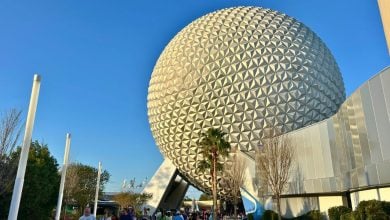
Disney fans often hear the phrase that parks must evolve.
What gets discussed less often is why so many attractions now seem unable to survive long-term. Intellectual property requirements, maintenance costs, operational realities, sponsorship changes, guest demand, and corporate priorities have all become major factors in determining what stays and what goes.

The result is a Walt Disney World that looks very different than it did just a few years ago.
Five beloved attractions have become prime examples of how modern realities are reshaping Disney’s parks.
Frontierland’s Waterfront Is Gone
The closure of the Rivers of America, Tom Sawyer Island, and the Liberty Square Riverboat may be one of the most dramatic changes in Magic Kingdom history.
These weren’t thrill rides.
They weren’t major Lightning Lane attractions.
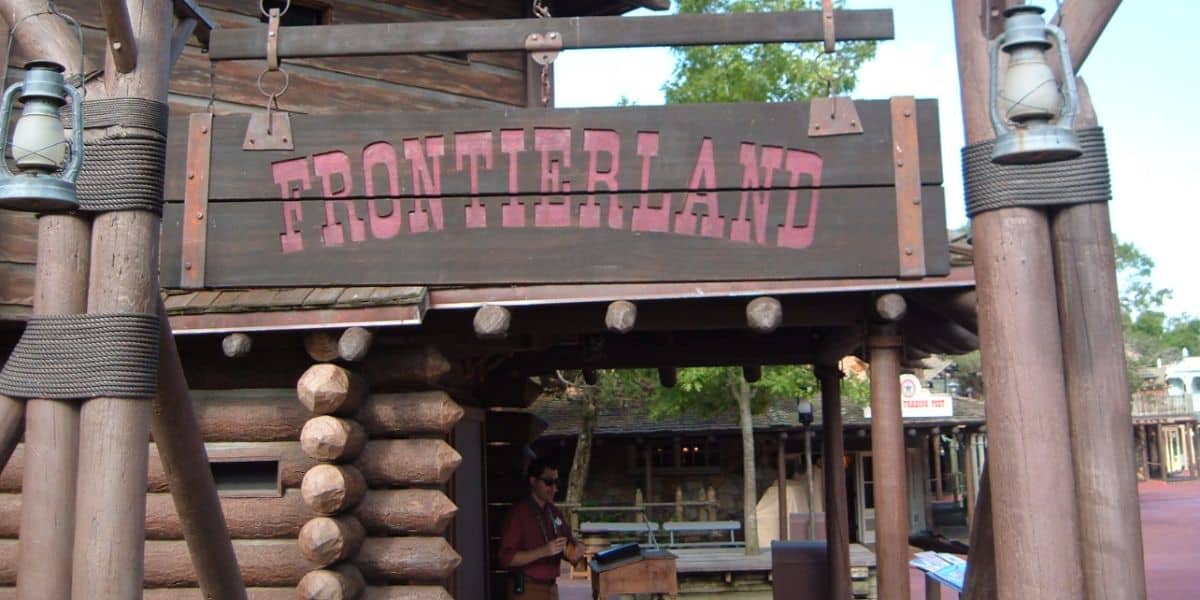
They were experiences designed to create atmosphere and immersion.
Unfortunately, large bodies of water and expansive walk-through spaces don’t generate the same attendance numbers as modern E-ticket attractions.
Disney ultimately chose to redevelop the area for its Cars-inspired Piston Peak project, bringing an end to one of Frontierland’s defining features.
Muppet*Vision Couldn’t Escape Change
Few attractions seemed more protected than Muppet*Vision 3-D.
The show represented one of Jim Henson’s final creative efforts and remained a guest favorite for decades.
Yet Disney’s plans for Hollywood Studios eventually outweighed the attraction’s historical importance.

Grand Avenue’s transformation required space, and Muppet*Vision became one of the casualties.
The closure demonstrated a reality many Disney fans have learned repeatedly: historical significance doesn’t always guarantee survival.
DINOSAUR Lost the Franchise Battle
DINOSAUR remained one of Animal Kingdom’s most unique attractions.
But unique doesn’t always win.
Disney’s decision to replace the attraction with Indiana Jones reflects the company’s increasing focus on globally recognized franchises. The existing ride system will remain, but the dinosaur storyline will disappear as Tropical Americas moves forward.

For fans, it’s another reminder that original concepts often struggle to compete with established intellectual property.
Aerosmith’s Exit Arrived
Rock ‘n’ Roller Coaster avoided complete closure, but the attraction still lost a major piece of its identity.
Disney replaced Aerosmith with The Muppets and The Electric Mayhem in 2026, creating an entirely new story around the same coaster system.
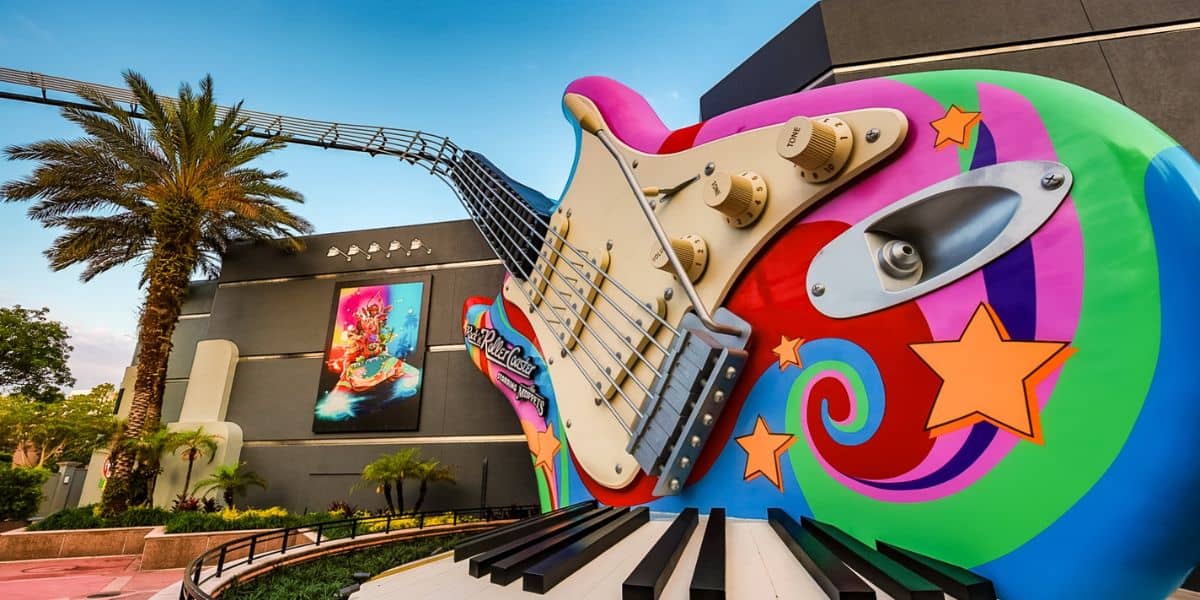
The change solved several long-term issues while allowing Disney to keep a popular thrill ride operating.
Still, guests who grew up blasting through Hollywood to Aerosmith songs are saying goodbye to a version of the attraction that defined Hollywood Studios for a generation.
Even Carousel of Progress Isn’t Immune
If any attraction seemed untouchable, it was Carousel of Progress.
The show’s direct connection to Walt Disney made many fans believe it would remain largely unchanged forever.
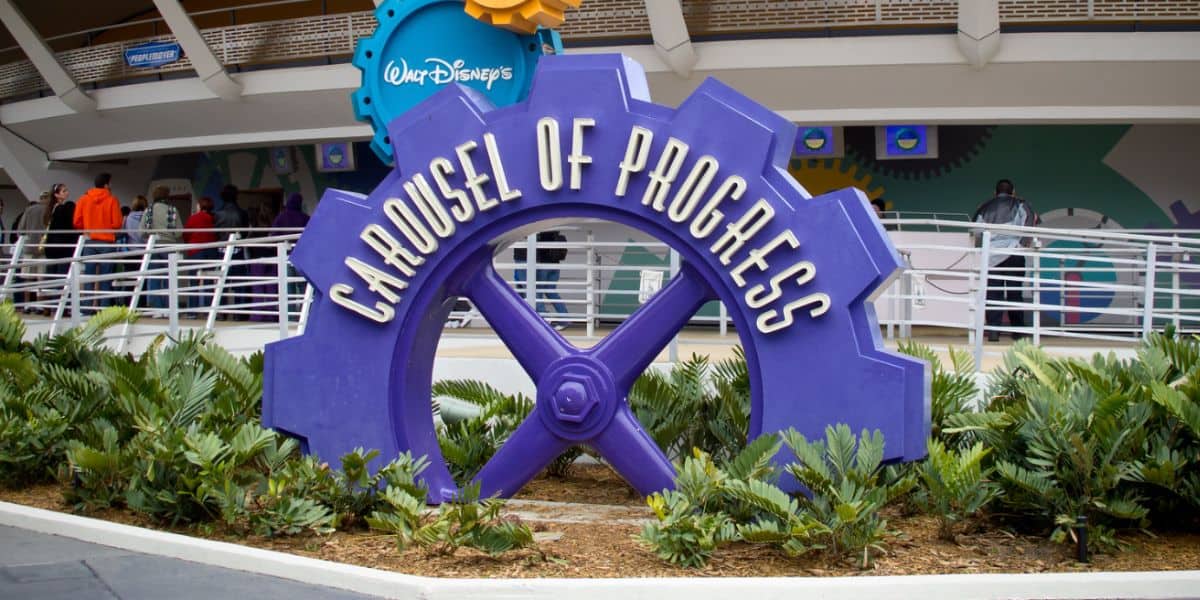
Instead, Disney is moving forward with a major reimagining that includes new scenes, a revised timeline, and updated storytelling.
The attraction survives.
The original version does not.
A Different Disney World Emerges
None of these changes happened for exactly the same reason.
Some involved land use. Others involved intellectual property. Some reflected changing guest expectations. Others addressed aging infrastructure.
Together, however, they tell the same story.
Modern Disney operates under a very different set of priorities than the company that built many of these attractions.
As Walt Disney World continues evolving, fans can expect more updates, more replacements, and more debates over what deserves preservation.
The challenge for Disney isn’t building the future.
It’s finding ways to do so without losing too much of the past.