Lucasfilm Makes Decision To Release New ‘Mandalorian’ Movie Amid Box Office Tragedy

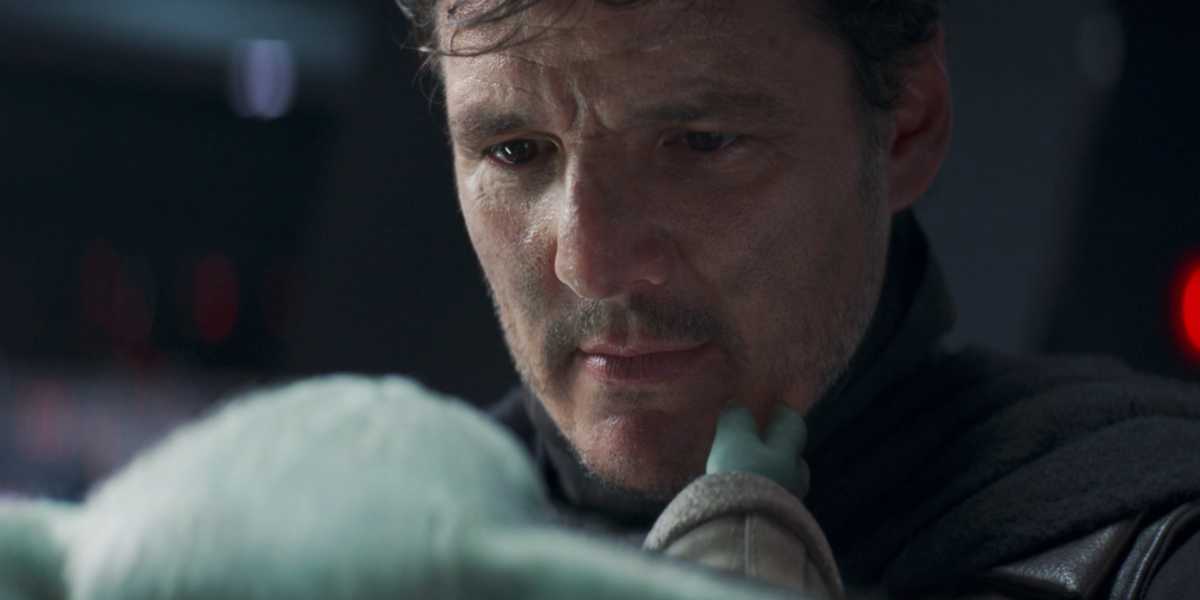
When Lucasfilm decided to pull the Mandalorian and Grogu out of Disney+ development and into the multiplex, it was betting that audiences who had spent six years watching Din Djarin and his small green companion on streaming would pay for tickets to do it all over again on a bigger screen. Two full weekends in, that bet looks shaky at best.
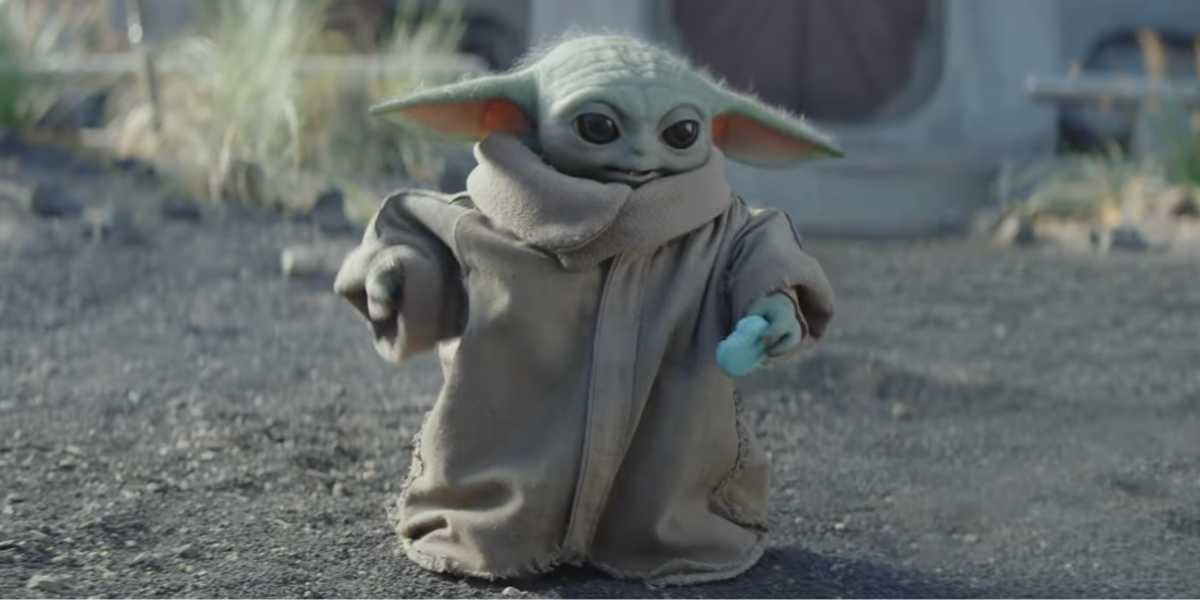
The film opened May 22, 2026, to $165 million globally — a figure that sounds respectable until you learn it nearly mirrors the production budget exactly, leaving almost no financial cushion before international distribution costs, marketing spend, and exhibition splits begin eating into the margins. Studios typically look for a multiplier of at least two to three times their production budget in global theatrical revenue to consider a tentpole a genuine success. The Mandalorian and Grogu had a long way to go, and second-weekend numbers did not point in the right direction.
The 70 percent second-weekend drop, reported by The Hollywood Reporter, is the kind of decline that triggers internal reviews at studios. It tells exhibitors that word of mouth is not working, that casual audiences — the ones who don’t track Star Wars news between trailers — simply did not show up in meaningful numbers after the opening weekend. That core of devoted fans punched their tickets early. Then the theater seats stayed empty.
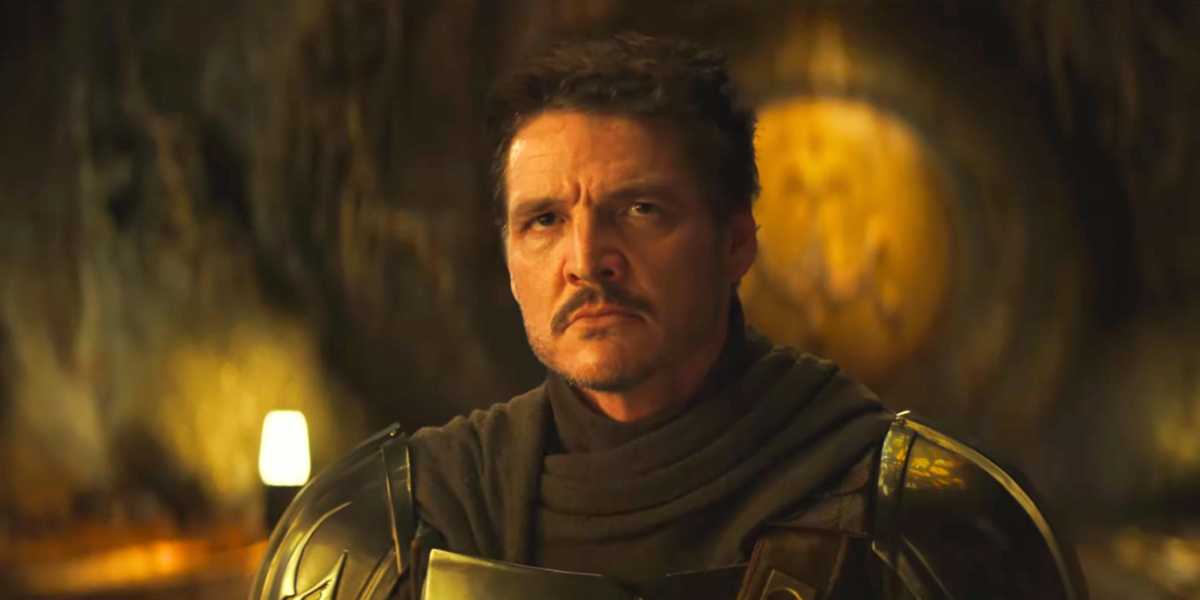
What makes the situation harder to spin is the film that originally dethroned it after just a handful of days. Obsession, a micro-budget romance from Focus Features that cost approximately $1 million to produce and arrived in U.S. theaters on May 15, had no business competing with a franchise tentpole.
And yet, as Forbes noted last week: “Daily box office tracking is now showing that Obsession is now beating The Mandalorian and Grogu handily as of this Wednesday, earning $5.6 million domestically to Mando’s $4.1 million on that day. And again, this is the second week of Obsession‘s release (this Wednesday is practically a non-existent drop from last Wednesday), and this is Mando’s first week.”
The film, starring Michael Johnston as Baron “Bear” Bailey and Inde Navarrette as Nikki Freeman, caught fire after its Toronto International Film Festival debut and has now earned $166.6 million globally — a return that makes Lucasfilm’s result look considerably less impressive by comparison. In the second weekend, it was Kane Parsons’ Backrooms (2026) that came out number one.
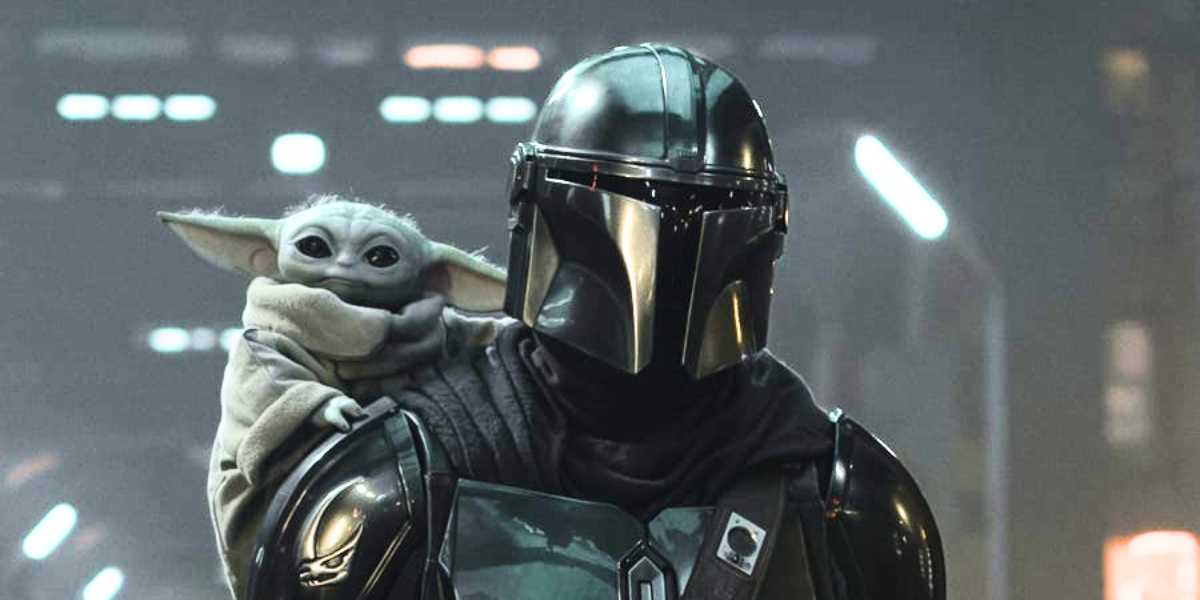
The theatrical release itself was a significant structural overhaul. What was originally conceived as The Mandalorian Season 4 was reworked by showrunner Jon Favreau into a standalone feature, a decision that required sanding off the dense serialized storytelling that had built the show’s devoted streaming audience. Favreau has acknowledged that original Season 4 plans would have connected more directly to the Ahsoka TV show storyline and the return of Grand Admiral Thrawn, played by Lars Mikkelsen. How much of that foundation survived the format change remains unclear.
To generate renewed interest in theaters, Lucasfilm and TheaterEars have now released a director’s commentary version of the film — announced through TheaterEars’ official Instagram — offering behind-the-scenes context and craft insights layered over the footage as an in-cinema experience. The move is not without precedent; studios have issued director’s cuts and anniversary editions for decades. What is unusual is doing it while the original cut is still struggling through its theatrical run.
Looking further out, Ahsoka Season 2 is heading to Disney+, with Dave Filoni returning to resolve outstanding threads from the first season, including storylines involving Sabine Wren, played by Natasha Liu Bordizzo, and Ezra Bridger, played by Eman Esfandi. Filoni, now co-leading Lucasfilm alongside Lynwen Brennan, offered a characteristically measured take on the franchise’s current moment: “Everything works as planned. Like a Jedi, you must keep your mind in the here and now.”
That framing may be easier to hold onto when the next major theatrical release — Star Wars: Starfighter, directed by Shawn Levy with Ryan Gosling in an as-yet-undisclosed role — carries a commercial profile built on Deadpool and Wolverine‘s (2024) billion-dollar gross and Gosling’s work anchoring the runaway success Project Hail Mary (2026). For now, though, the here and now is a 70 percent drop and a commentary track playing to curious fans in half-empty theaters.
What are your thoughts on this new version of The Mandalorian and Grogu being released? Let us know in the comments down below!