
Tom Holland’s Spider-Man has always stood apart from previous live-action versions of the character, but Marvel fans may have just learned the real reason why.
For years, audiences debated why Holland’s Peter Parker felt noticeably lighter and more optimistic compared to the Spider-Men played by Tobey Maguire and Andrew Garfield. Marvel clearly avoided repeating the same formula, but the studio rarely explained how intentional those changes really were.
Now, thanks to new comments from Joe Russo, fans finally have a much clearer understanding of Marvel’s long-term plan for Peter Parker inside the MCU.
And looking back, the clues were sitting in front of audiences the entire time.

Spider-Man Entered the MCU in a Completely Different Way
Marvel wasted very little time reinventing Spider-Man when Tom Holland debuted in Captain America: Civil War (2016).
Unlike earlier Spider-Man movies, audiences skipped past the traditional setup and immediately met Peter Parker already operating as Spider-Man in Queens. Tony Stark quickly recruited him into the Avengers conflict tied to the Sokovia Accords, placing Peter directly into the center of the MCU almost overnight.
That instantly gave Holland’s Spider-Man a very different tone.
Marvel focused heavily on Peter’s excitement about becoming a hero. He looked up to Tony Stark, desperately wanted to prove himself, and often approached dangerous situations with youthful energy rather than emotional weight.
That approach continued throughout Spider-Man: Homecoming (2017), Avengers: Infinity War (2018), Avengers: Endgame (2019), and Spider-Man: Far From Home (2019).
Instead of building Peter’s story around darkness and trauma right away, Marvel centered his growth around mentorship, expectation, and responsibility.
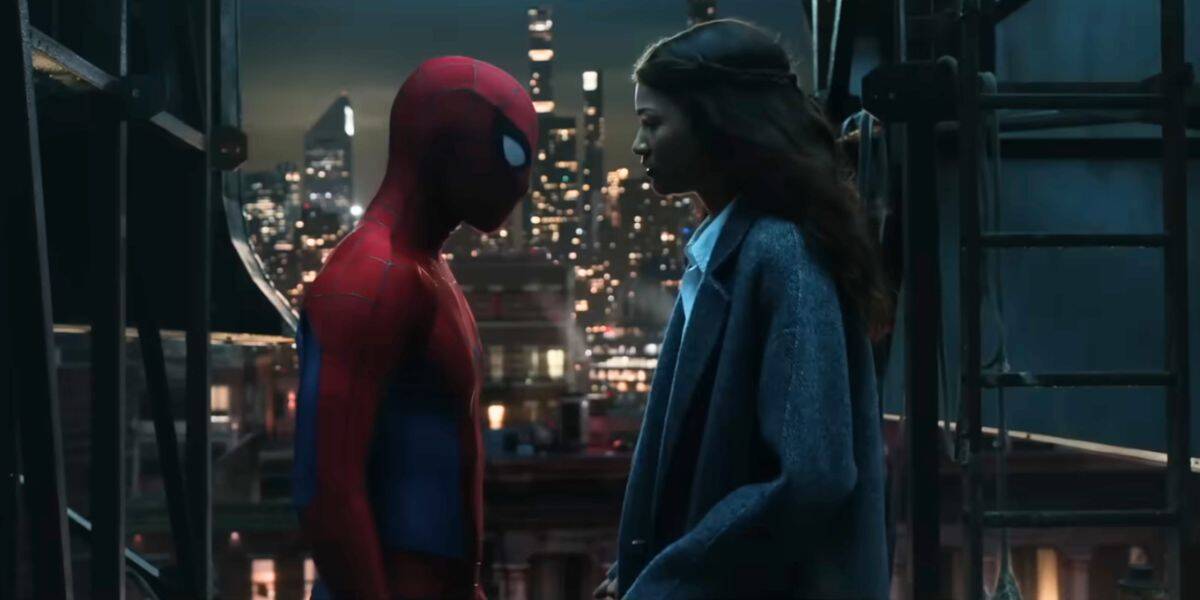
Joe Russo Reveals Marvel’s Thinking
During a recent interview with CBR, Joe Russo confirmed that Marvel intentionally wanted Holland’s Spider-Man to feel emotionally different from previous live-action portrayals.
According to Russo, giving Peter Parker the same emotional baggage carried by earlier Spider-Man versions would have fundamentally changed the character’s tone inside the MCU. Marvel wanted Holland’s Peter to remain youthful, optimistic, and energetic when audiences first met him.
That creative choice explains why Holland’s Spider-Man always carried a stronger sense of innocence than Maguire’s and Garfield’s versions.
Even while battling alien invasions and Multiverse threats, Holland’s Peter Parker still felt like a teenager trying to find his place among legendary heroes. That made him fit naturally into the broader MCU while also helping Marvel avoid repeating the same emotional journey audiences had already watched multiple times.
And honestly, it probably helped prevent superhero fatigue, too.
By the time Holland arrived, audiences had already seen two separate Spider-Man franchises explore many of the same emotional beats. Marvel clearly wanted this version to stand apart immediately.

Spider-Man: No Way Home Became a Turning Point
Although Marvel kept Holland’s earlier appearances relatively lighter, Spider-Man: No Way Home (2021) completely shifted Peter Parker’s emotional arc.
The movie forced Peter into much darker territory than fans had previously seen.
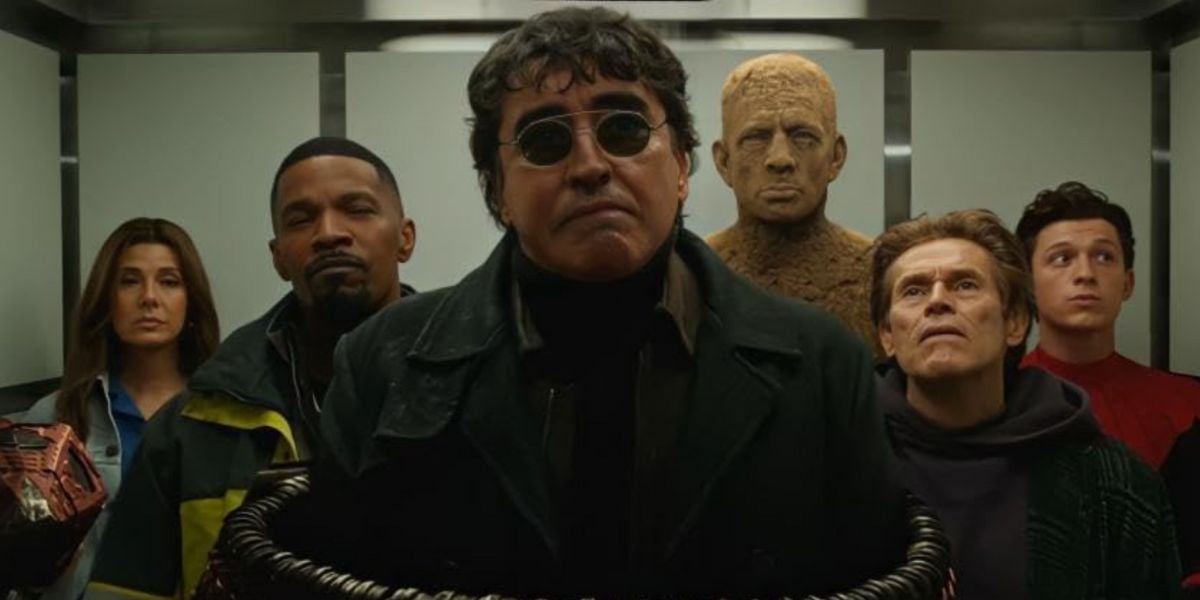
Throughout the film, Holland’s Spider-Man dealt with grief, isolation, anger, and sacrifice in ways that fundamentally changed the character moving forward. The movie also allowed Tobey Maguire and Andrew Garfield’s Spider-Men to help guide Peter through that emotional crisis.
Instead of simply using nostalgia for fan service, Marvel used the returning Spider-Men to reinforce the painful lessons Peter still needed to learn.
That decision gave No Way Home emotional depth, setting it apart from many earlier MCU projects.
In many ways, the film felt like Peter Parker finally growing into the version of Spider-Man audiences traditionally associate with the character. The hopeful teenager audiences met in Civil War suddenly faced the kind of emotional pain that truly reshaped his future.
Why This Could Shape Marvel’s Future Plans
Marvel’s latest clarification changes how many fans may interpret Holland’s entire MCU journey.
Rather than beginning as a hero defined by tragedy, this Peter Parker started as an optimistic kid inspired by the Avengers. His emotional struggles developed gradually over multiple films rather than appearing immediately.
That slower evolution helped Marvel create a Spider-Man who felt distinct while still honoring the core themes that define the character.
Now, with Spider-Man: Brand New Day expected to continue Peter’s next chapter and Avengers: Secret Wars likely preparing major crossover events for the Multiverse Saga finale, Holland’s Spider-Man may finally be entering his most important era yet.
And after hearing Joe Russo explain Marvel’s original vision, fans can finally see why the MCU approached Spider-Man’s story so differently from the start.