MCU Reset: Seven Years Later, Marvel Officially Rewrites ‘Avengers: Endgame’

Marvel Studios is revisiting one of its most celebrated milestones, but this time, the move signals something far more ambitious than a simple theatrical encore. Avengers: Endgame (2019), once regarded as the definitive conclusion to the Infinity Saga, is being repositioned as a crucial stepping stone toward the Marvel Cinematic Universe’s next era.
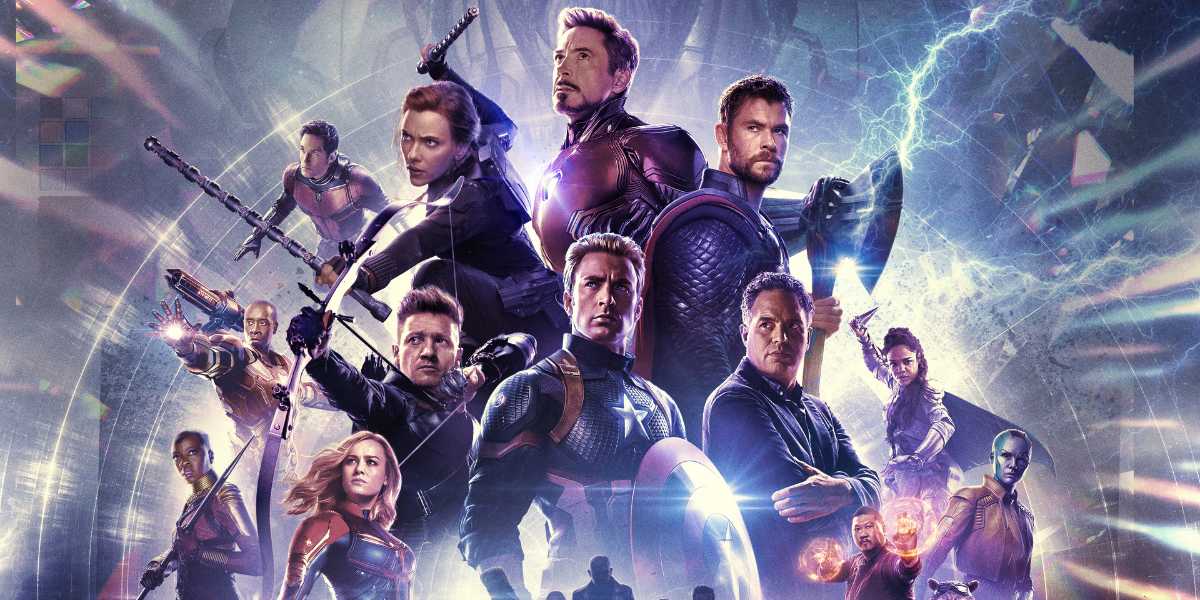
When Avengers: Endgame debuted in 2019, it brought more than a decade of storytelling to a close. The film delivered emotional farewells for cornerstone heroes like Tony Stark/Iron Man (Robert Downey Jr.) and Steve Rogers/Captain America (Chris Evans), wrapping their arcs in a way that felt complete. For many viewers, it was the end of a chapter that couldn’t—and perhaps shouldn’t—be reopened. That perception is now shifting.
Marvel has confirmed plans to re-release Avengers: Endgame later this year ahead of Avengers: Doomsday (2026), and this won’t be a standard reissue. The updated version will include new footage designed to directly connect the events of Endgame to the studio’s next major crossover. Speaking at the Sands Film Festival, director Joe Russo explained the thinking behind the decision.
“It’s an opportunity to create a bridge from Endgame to Doomsday in a very unique way, and because the movie was so successful, we have an opportunity to re-release it,” Russo explained (via Forbes). “You don’t always get the chance to re-release because it costs money, so the fact that we can enhance the story of Doomsday by bridging it to Endgame and these characters that we worked with for years that we love so much, and continue their story: It’s a really unique opportunity.”

Rather than functioning as bonus material, the added footage is expected to carry narrative significance, effectively reframing Endgame as the launching point for what comes next.
At the center of Avengers: Doomsday is a concept Marvel has been gradually introducing: Multiversal collapse. The film is rumored to focus heavily on “incursions,” catastrophic events in which entire realities collide. It’s a storyline that raises the stakes beyond anything the MCU has tackled before, bringing together characters from across timelines and even separate franchises.
Among the most notable developments is the return of Robert Downey Jr.—not as Iron Man, but as Victor Von Doom/Doctor Doom. The shift marks a dramatic pivot for the franchise, positioning a new central antagonist capable of threatening entire universes.
The film is also expected to unite not just the Avengers, but teams like the Fantastic Four and the X-Men, both of which previously existed outside the MCU’s primary continuity.
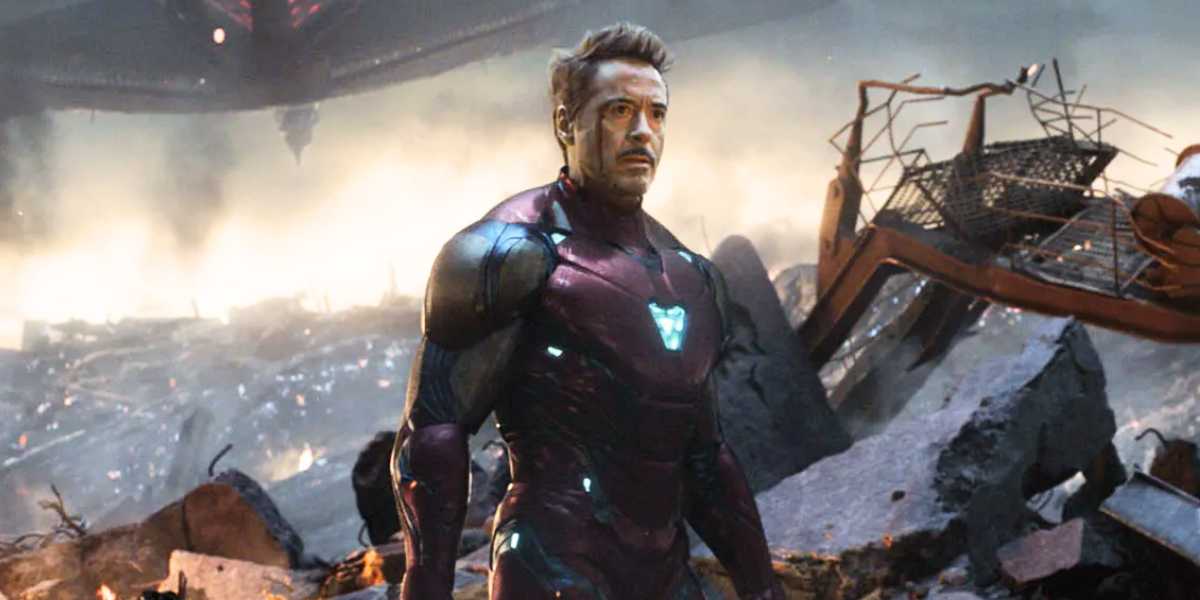
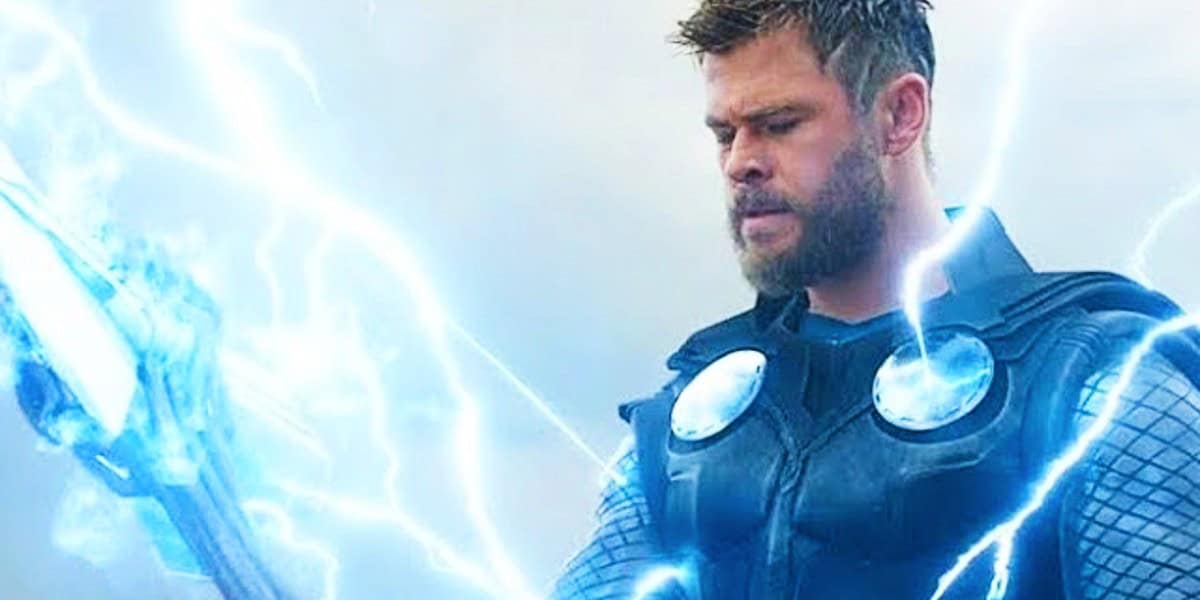
Equally surprising is the return of characters whose stories seemed finished. Chris Evans’ Steve Rogers, who passed on his shield and stepped away from heroics at the end of Endgame, will reappear. Thor (Chris Hemsworth) is also expected to remain a key figure as the narrative expands to a Multiversal scale.
All of this points to a larger shift happening behind the scenes. As the MCU has grown across films and Disney+ series, maintaining a consistent timeline has become increasingly complex. Marvel Studios president Kevin Feige has long emphasized cohesion, but the sheer scope of the franchise has made that goal more challenging.
Speculation suggests that Avengers: Doomsday could introduce a partial reset of the MCU timeline. Rather than discarding everything that came before, the studio may streamline continuity—keeping key events intact while adjusting others. Such a move would allow Marvel to integrate new characters and storylines more smoothly without losing its history.
In that light, adding new footage to Endgame becomes more than a creative choice—it becomes a strategic one. By retroactively inserting connective elements, Marvel can align its most iconic film with the direction of its future.
The re-release also serves a practical function. Much like Avengers: Infinity War (2018) set the stage for Endgame, Doomsday is expected to lead directly into Avengers: Secret Wars (2027), another large-scale crossover event.
Revisiting Endgame now offers audiences a refreshed perspective. What was once the end of an era may now act as the midpoint in a much broader narrative.
Unsurprisingly, the response from fans has been mixed. The idea of new footage, returning characters, and interconnected storytelling has generated excitement. At the same time, there are concerns about altering a film that was widely praised for its sense of closure.
For some, Endgame’s emotional impact lies in its finality. Revisiting and revising that ending—even slightly—raises questions about whether its legacy could be affected.

There’s also the issue of continuity. If Marvel begins revisiting its own history, it introduces new challenges for audiences trying to keep track of what remains canon. The decision also effectively turns a seven-year-old film into essential viewing for understanding what comes next.
Whether these risks pay off remains to be seen. Much of what’s known about Avengers: Doomsday is still based on reports, with Marvel keeping key details under wraps.
What is clear is that the studio is attempting something rarely seen in franchise filmmaking: reshaping an established narrative while continuing to build forward. It’s a bold approach that could redefine how interconnected universes evolve over time.
If successful, it may offer a blueprint for future storytelling on a massive scale. If not, it could leave audiences wishing for a time when endings were left untouched. Either way, change is coming. Avengers: Endgame returns to theaters on September 25, 2026, ahead of Avengers: Doomsday’s release—in Infinity Vision—on December 18, 2026.
How do you feel about the new version of Avengers: Endgame? Let us know in the comments down below!