

The Star Wars franchise is entering another period of reinvention, but this time the shift appears to run deeper than a routine creative pivot.

After years of building a strong presence on streaming—led by The Mandalorian as the defining Disney+ series—Lucasfilm now seems to be rethinking how it delivers stories from a galaxy far, far away. The latest developments surrounding the hit show suggest a strategic overhaul is underway, one that could reshape the future of the franchise.
At the heart of the conversation is an unexpected twist: The Mandalorian Season 4 has been written but is no longer moving forward in its current form. Instead, its narrative has been redirected into a theatrical release.

When The Mandalorian premiered in 2019, it marked a major turning point for Star Wars. Introducing Din Djarin (Pedro Pascal) and Grogu, the series quickly became the centerpiece of Disney+’s original programming and set the tone for an interconnected slate of shows.
That expansion included titles like The Book of Boba Fett, Ahsoka, and Skeleton Crew, all contributing to what fans dubbed the Mando-Verse. The plan appeared to build toward a larger crossover event, connecting characters and storylines across multiple series.
Recently, however, that momentum has begun to taper off. While Ahsoka Season 2 remains in development, other projects have slipped into uncertainty, and the once clearly defined roadmap now feels less structured. The shift raises questions about whether the streaming-first model has reached its limit.

Jon Favreau, the creator behind The Mandalorian, has confirmed that Season 4 scripts are complete. Under normal circumstances, that would signal an imminent production timeline. Instead, the project has stalled, signaling a more significant change behind the scenes.
Rather than continuing the series as planned, Lucasfilm has opted to pivot in a new direction—one that replaces the fourth season entirely.
That new direction comes in the form of The Mandalorian and Grogu (2026), a feature film that will bring the characters to theaters for the first time. Directed by Favreau and developed alongside Lucasfilm leadership, including co-President Dave Filoni, the film marks a return to the big screen after years of prioritizing streaming.
In many ways, the project serves as a direct substitute for Season 4. Favreau previously told Empire Magazine (via Geek Tyrant), “We were planning on doing a fourth season,” adding, “I had actually written all of that. I still have Season 4 sitting on my desk here.”
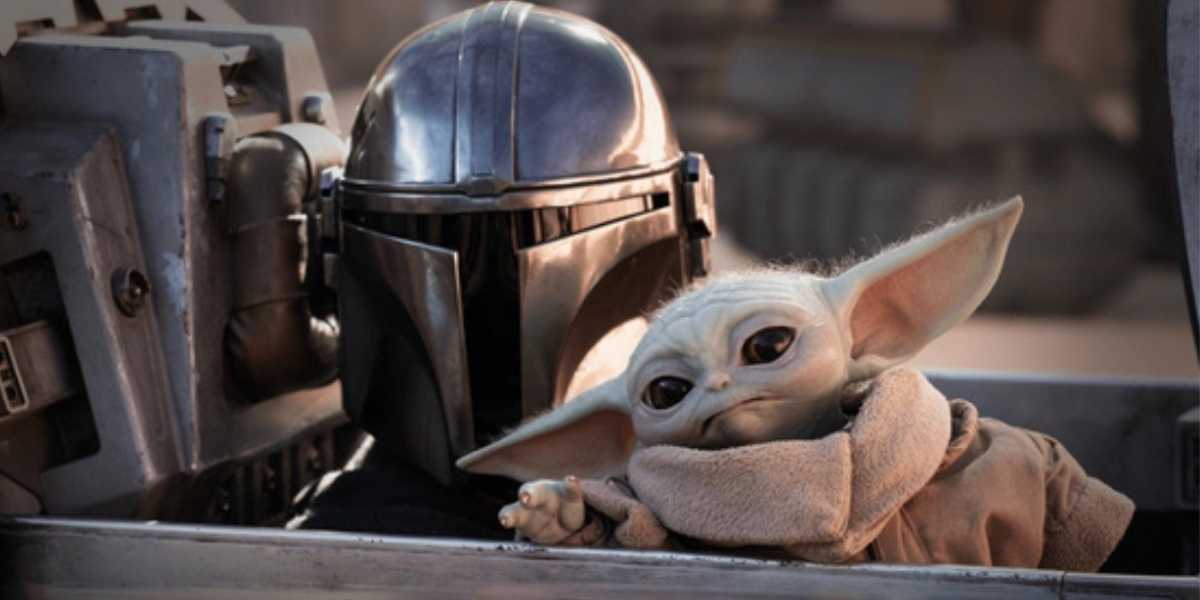
Favreau emphasized that the story’s structure has changed significantly. “It’s structured around a movie structure as opposed to a serialized weekly television show,” he explained. “So there’s a larger throw to the whole thing.”
Speaking to Movie Web, Favreau elaborated on the creative reasoning behind the transition. “I think it’s sort of a back-and-forth conversation, you know, it’s like, on the one hand, here’s the paint set you have. What could you do with it? So part of it is being inspired by what you have available to you and taking away its limitations. But it’s also a new challenge,” he said. “We haven’t had this challenge since the beginning of season one, when people weren’t seeing Star Wars on Disney. Plus, it was, you know, there were films in the movie theater. How do you engage? How do you connect with the audience in a way that’s meaningful and something we’re excited about?”

He also pointed to the storytelling advantages of the format. “Having a two-hour format completely reframes the way, you know, because we were getting ready to do season four, and that’s different, because that’s like, oh, people have seen everything up to this point. How would you go from here?” Favreau said.
“This is like season one, episode one, where it’s like somebody might have seen everything with Star Wars. You’ve got to make it good for them, because that’s your people, that’s you, that’s me,” he continued. “But you also want to always have an outstretched hand to somebody new, who may not have done it and seen it before… So I think the form informed the story more than the story informed the form.”
Importantly, the film is not simply a condensed version of Season 4. Favreau told SFX Magazine (via GamesRadar), “You can’t just take those scripts and turn them into a movie. There were a lot of characters, it assumed you’d watched the whole show, and it was teeing up what was happening moving into [the second season of ] Ahsoka. It was about Grand Admiral Thrawn and following the larger storyline [of this era of the Star Wars timeline].”
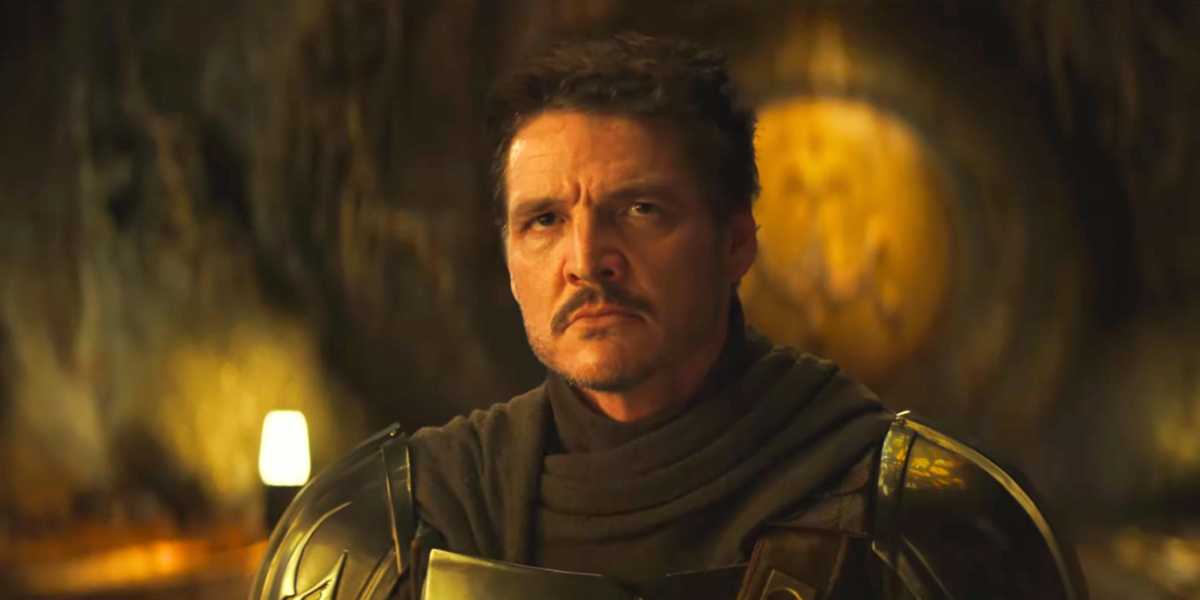
Instead, the film is being built with broader accessibility in mind. “This is a completely different medium, so I had to start from scratch, essentially,” Favreau said. “There were certain things I wanted to pursue, like the idea of Grogu being the Mandalorian’s apprentice. As long as you understand the archetypes of this hardened warrior with their vulnerable young apprentice, you’ll know these characters well, even if you’ve never seen the show.”
Despite the ambitious pivot, early indicators suggest cautious optimism. Some surveys tracking upcoming releases show the film failing to rank among the most anticipated titles—a surprising development given the franchise’s history. While not necessarily a sign of trouble, it could point to shifting audience engagement, possibly influenced by the steady flow of Star Wars content in recent years.
Lucasfilm’s strategy also appears to reflect financial restraint. With a reported budget of $166 million, the film is comparatively modest for the franchise. Opening weekend projections between $70 million and $85 million domestically further indicate measured expectations.
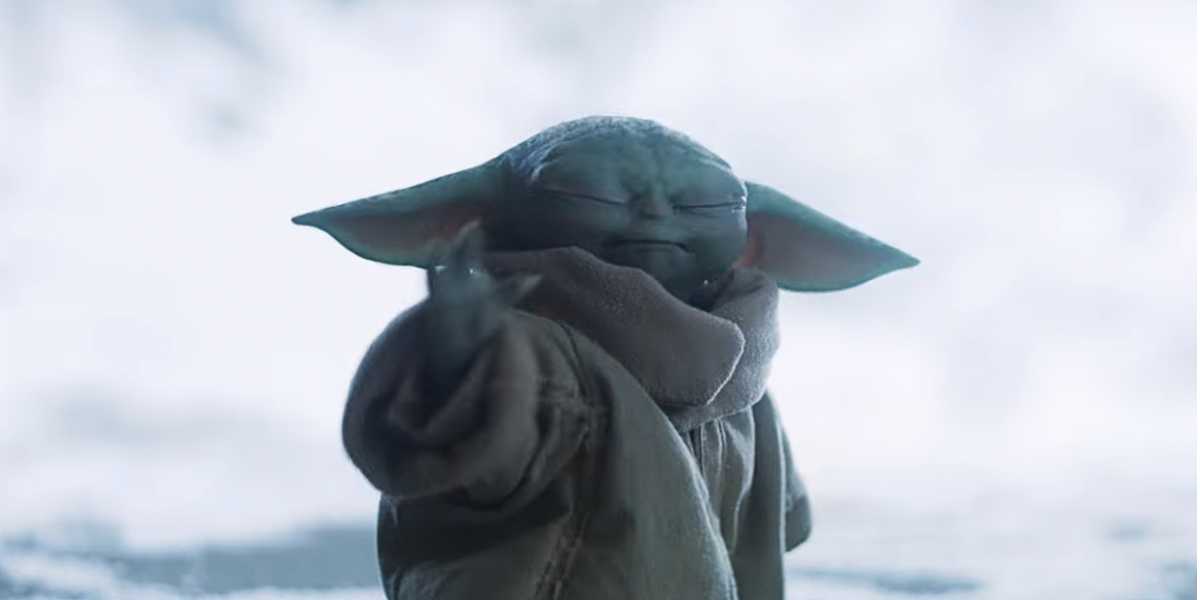
The film will retain the core elements that made the series popular, including its focus on Din Djarin and Grogu. Pedro Pascal returns, joined by Sigourney Weaver (Colonel Ward) and Jeremy Allen White (Rotta the Hutt), ensuring continuity even as the format shifts.
The broader future of the Mando-Verse remains uncertain. While Ahsoka Season 2 is moving ahead, other interconnected storylines appear less defined. Characters like Boba Fett have yet to receive clear direction, and the larger crossover plan remains in flux.
Ultimately, The Mandalorian and Grogu is more than a continuation—it’s a test of whether Star Wars can successfully transition a streaming success into a theatrical draw. The outcome could shape the franchise’s next era, determining how stories are told and where audiences engage with them.
For now, The Mandalorian isn’t ending—it’s transforming, carrying its story into a new format filled with both opportunity and uncertainty. How do you feel about the series coming to an end?




I hate it ! ! !
I loved watching from my own living room where I can get snacks and watch at my leisure or rewind important spots for context. I don’t want to go to a movie theater! I will wait for it to return to streaming. It’s not any different than waiting for seasons !