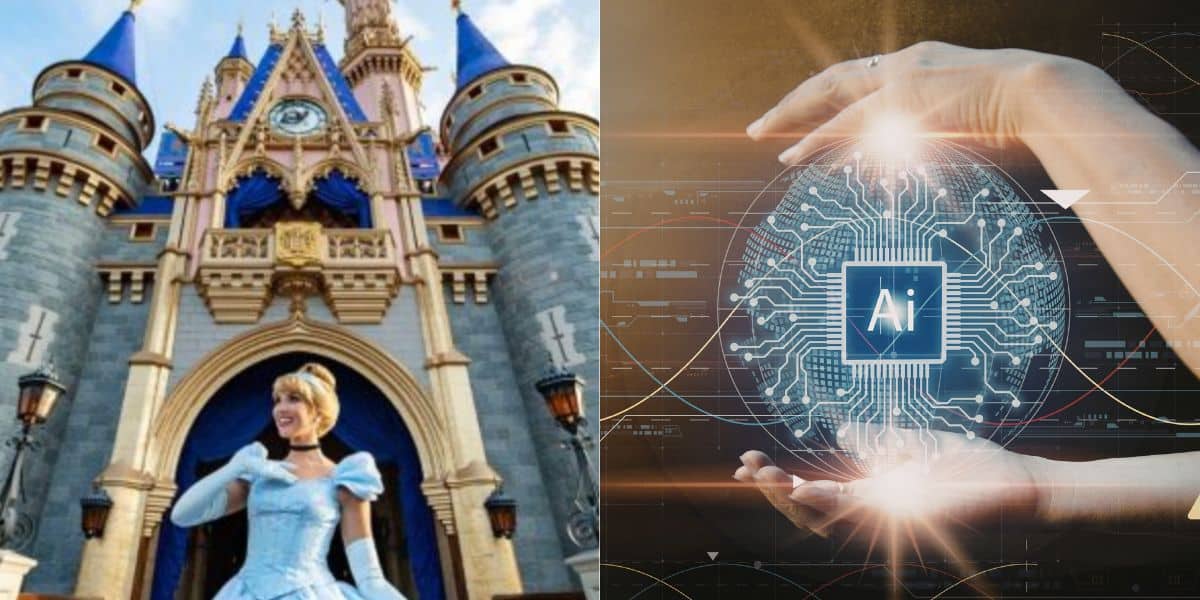
Disney’s “AI Strategy” Takes an Unexpected Turn After Major Deal Collapse

Artificial intelligence has moved quickly from a fringe concept to something that’s actively reshaping how entire industries operate. From content creation to user experience, companies are finding new ways to integrate AI into their everyday workflows.
Disney has been right at the center of that shift. With its unmatched catalog of characters and stories, the company has every reason to explore how AI can deepen fan engagement and open new creative doors.
For a while, it looked like Disney was doing exactly that.
The company appeared ready to take a meaningful step forward, testing ideas that blended technology with storytelling in ways that felt fresh and interactive. But just as that momentum was building, something changed.
The Agreement That Sparked New Possibilities
In December 2025, Disney entered a three-year licensing agreement with Sora, OpenAI’s video-generation platform. It was a deal that immediately stood out because of its potential.
Disney characters would be available within Sora, allowing users to create short, prompt-driven videos featuring recognizable IP. Those clips could then be shared across social platforms, giving fans a new way to engage with Disney stories.
That shift mattered.
Instead of simply watching content, audiences could help shape it. At the same time, Disney and OpenAI hinted at broader collaboration, including plans to bring curated AI-generated content to Disney+ subscribers.
For a moment, it seemed like Disney had found a path into AI that balanced innovation with brand control.

When the Platform Disappeared
That momentum didn’t last.
OpenAI recently confirmed that it is shutting down the Sora app and stepping away from its current approach to AI-generated video products. The decision followed months of scrutiny around how the platform handled intellectual property and likeness rights.
Sora first debuted in late 2024 and gained wider traction throughout 2025. As its reach expanded, concerns from Hollywood studios and talent quickly followed. Many questioned how their characters and identities were being used in AI-generated content.
OpenAI introduced new controls, but the concerns remained.
In its statement, the company acknowledged the shutdown, thanked creators, and signaled that the platform would no longer continue in its current form.
With that, one of the most talked-about tools in AI video creation suddenly dropped out of the conversation.

Disney Adjusts Its Strategy
Once Sora’s future became uncertain, Disney moved quickly.
The company reportedly withdrew from the agreement, which included a planned $1 billion investment and licensing terms for its characters. Without a stable platform, the partnership no longer aligned with Disney’s goals.
Still, Disney made it clear that this wasn’t a retreat from AI altogether.
The company emphasized that it would continue exploring new opportunities while ensuring that any future technology respects intellectual property and creator rights. That approach suggests a shift in strategy rather than a complete change in direction.
Where AI Still Fits Into Disney’s Future
Even without Sora, Disney has plenty of ways to integrate AI into its ecosystem.
Streaming is one of the most obvious areas for growth. Disney+ could evolve through smarter personalization, offering content recommendations beyond just viewing history. AI could help surface hidden gems or create more tailored user experiences.
There’s also room for controlled interactivity. Instead of open-ended user-generated content, Disney could develop guided experiences where viewers influence outcomes within a structured framework.
In the parks, the opportunities feel even more tangible.
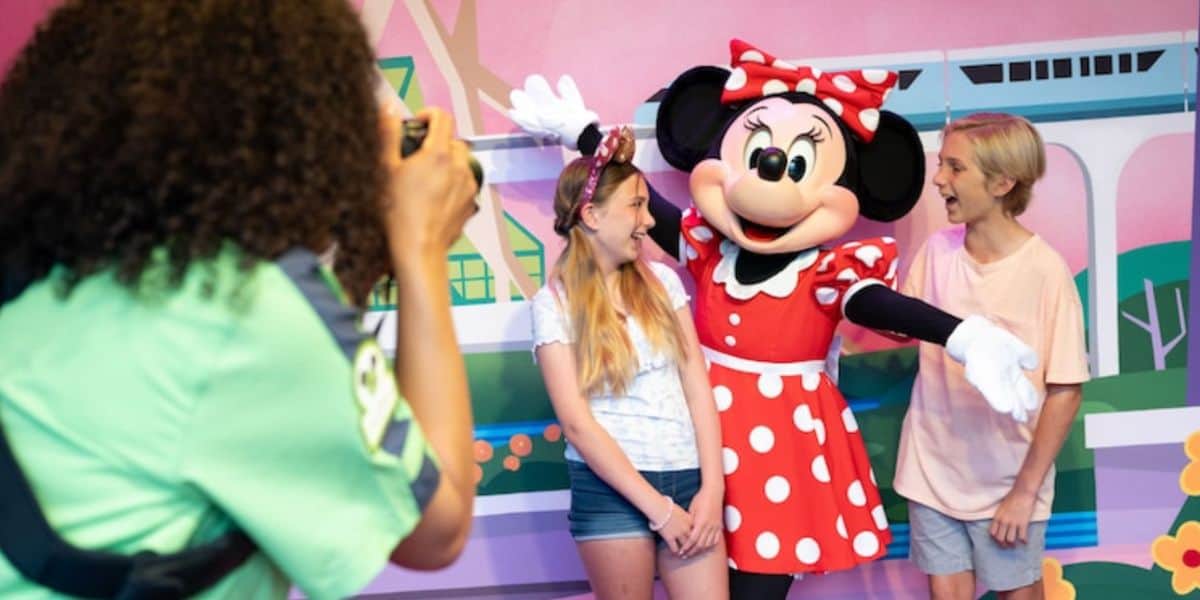
Disney has already tested advanced robotics, including the roaming Olaf character at Disneyland Paris. That kind of technology hints at a future where characters can respond more naturally to guests, making interactions feel more spontaneous.
AI could also enhance attractions, improve operational efficiency, and help manage crowds more effectively.
And perhaps most importantly, Disney can explore new partnerships. Rather than relying on a single platform, the company could work with multiple AI providers, each serving a different purpose.
A Reset With Long-Term Potential
At first glance, the end of this partnership appears to be a setback.
But it may actually be a reset.
The Sora deal showed what was possible, but it also revealed the challenges of bringing AI into a company built on carefully protected intellectual property.
Now, Disney has the chance to refine its approach.
By taking a more flexible path, the company can continue innovating while maintaining control over its brand. And that balance may ultimately define what Disney’s AI future becomes.