3 A.M. Shock: Drunk Driver Reported at Disney’s Art of Animation Resort

Walt Disney World Resort is facing renewed attention this morning after an early-hours police alert surfaced online, pointing to an alleged drunk driving incident at one of its most popular hotels. The report, which appeared on real-time emergency feeds, immediately drew concern from Disney fans who routinely monitor overnight activity across the property.

The Alert at the Center of the Morning’s Discussion
The dispatch, shared publicly and exactly as written, states:
“🚨 Police Alert 🚓 – 11/21/25 3:12 AM
🚨: Drunk Driver at 📍: Art of Animation Resort”
This brief message represents the only confirmed detail available about the pre-dawn incident. No follow-up reports have been issued by Walt Disney World Resort or local law enforcement, leaving the circumstances surrounding the alert unclear. Even so, the appearance of the phrase “Drunk Driver” was enough to spark widespread discussion among theme-park watchers, particularly because the incident occurred within a resort hotel area rather than along major roadways.
A Troubling Situation at a Family-Centric Resort
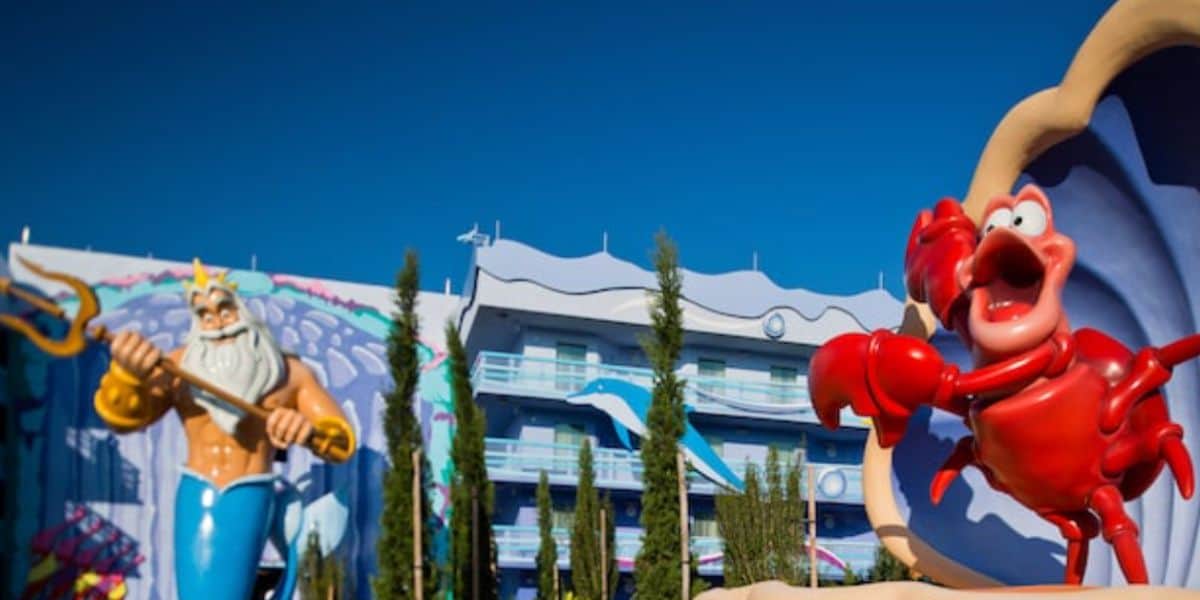
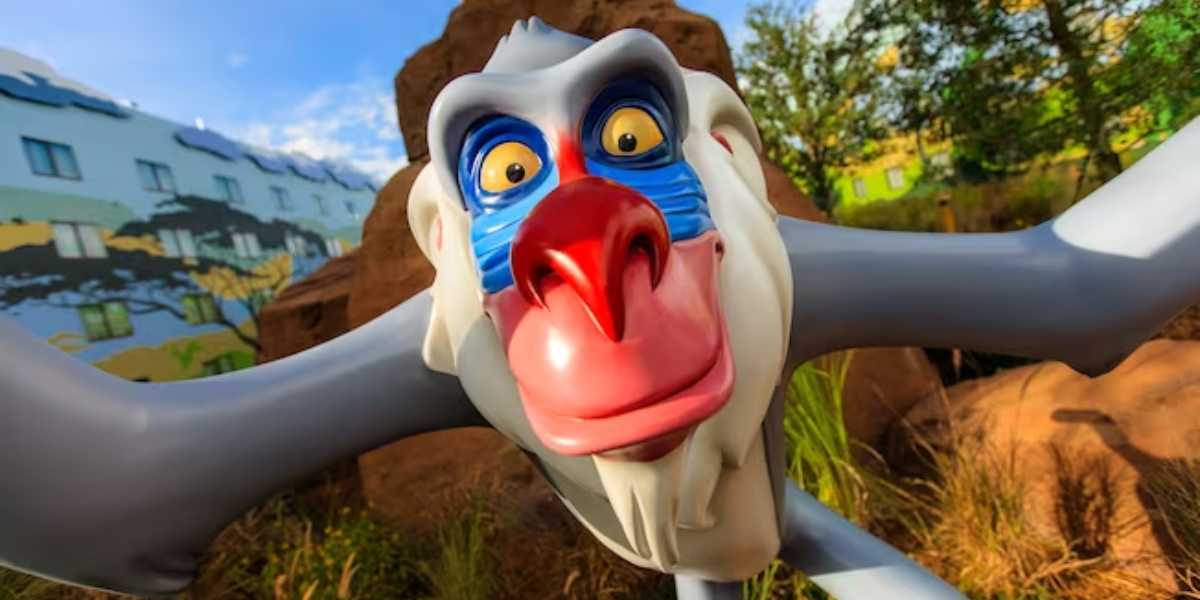
Disney’s Art of Animation Resort, known for its immersive theming based on Cars, The Lion King, Finding Nemo, and The Little Mermaid, typically sees a mix of families, large groups, and first-time visitors. The resort’s sprawling layout includes expansive parking lots and outdoor corridors, creating a pedestrian-heavy environment even in the early morning.
A police alert indicating a drunk driver in such a setting naturally raises questions about guest safety. The resort’s value-tier classification draws high occupancy year-round, making it one of the busiest hotel zones on Disney property. Guests move between buildings frequently, and its sizable parking areas sit directly beside guest walkways.
Because the incident occurred at 3:12 a.m., it likely unfolded during a period when the resort is largely quiet, aside from overnight staff, a few early travelers, and internal security operations. Incidents during these hours stand out quickly due to the otherwise low level of guest activity.
🚨 Police Alert 🚓 – 11/21/25 3:12 AM
🚨: Drunk Driver at 📍: Art of Animation Resort#WaltDisneyWorld #Disney pic.twitter.com/zG1UHiF7CT— Walt Disney World: Active Calls (@WDWActiveCrime) November 21, 2025
Why the Alert Spread So Quickly
Real-time emergency reports tied to Walt Disney World circulate rapidly through Disney-focused communities on social media platforms. From medical calls to security responses to minor attraction shutdowns, fans track these alerts closely as indicators of what is happening in the parks and surrounding areas at any given time.
But alerts involving vehicles tend to gain additional traction, particularly when the phrasing implies a scenario that could threaten pedestrian safety. The designation “Drunk Driver” is used when authorities believe a vehicle is being operated by an intoxicated individual, creating urgency in dispatch responses.
Because Art of Animation is not a nightlife hub and is far from EPCOT’s World Showcase or Disney Springs—areas more commonly associated with alcohol-related calls—this alert felt unusual to many followers.
What Remains Unknown
At this moment, there are no official updates detailing:
• whether the driver was stopped promptly
• whether any injuries occurred
• how the intoxication was identified
• whether hotel operations were affected
• whether the incident involved a guest, visitor, or outside individual
In many situations like this, law enforcement resolves the issue quietly, and no public records are released until much later, if at all. Walt Disney World maintains strict coordination with the Reedy Creek emergency system, which often responds quickly and discreetly to sensitive matters.
Understanding the Resort’s Layout and Risks
Art of Animation’s design blends large courtyards, themed landscapes, and open walkways with multiple parking zones adjacent to residential buildings. This layout makes it convenient for families arriving by car but also means that even slow-moving vehicles navigate areas with frequent foot traffic.
Additionally, the resort shares proximity to the Disney Skyliner station connected to Pop Century Resort. Early-morning travelers often gather in the area hours before dawn, preparing to travel toward EPCOT or Disney’s Hollywood Studios. Although no reports link this incident to the Skyliner loading zone, the area’s traffic patterns emphasize how a drunk driving situation could cause significant disruption.
Broader Context for Alcohol-Related Incidents at Disney
While intoxication-related incidents do surface across the property—especially at EPCOT’s festival-heavy World Showcase—incidents involving vehicles are far less common. Disney operates an extensive transportation network specifically designed to reduce the need for driving after consuming alcohol. Still, because resort hotels remain accessible by personal vehicles at all hours, the possibility of impaired driving is never zero.
Fans who follow emergency alerts often note that hotel areas are more prone to medical calls or behavioral disturbances than those involving vehicles. This makes today’s report stand out more sharply than routine dispatches.

A Reminder of Real-World Challenges on a Massive Property
Walt Disney World functions as a small city with private roads, transportation networks, and more than 25 resort hotels spread across 40 square miles. While the company’s safety protocols and surveillance systems are extensive, real-world situations still emerge—especially overnight when fewer guests are present to witness them.
The pre-dawn alert stands as another example of how unexpected incidents can occur in even the most family-friendly environments inside the resort.
If additional details surface in law enforcement logs or through later reporting, the picture may become clearer. For now, the incident remains another reminder that behind the carefully managed magic of Walt Disney World lies a complex operational landscape where serious situations can arise without warning.