What Disney and Universal Quietly See Eye-to-Eye On in 2025 (Despite Fan Backlash)

Disney World and Universal Orlando Resort often remind us that they’re competitors. They build massive attractions, debut big entertainment, and toss friendly punches to keep fans choosing sides. Yet for all that rivalry energy, 2025 reveals a twist: both resorts seem to be embracing the same playbook.
And while shared innovation can be exciting, it also introduces a more controlled, less spontaneous park experience. Vacationers can still have a fantastic time, but the easy, carefree park days people reminisce about? Those feel further away than ever.

Still a Battle — Just on Parallel Tracks
Make no mistake, the race isn’t slowing down. Epic Universe is propelling Universal into a new era, and Disney continues to announce updates and additions to stay ahead. Guests benefit from the arms race, but even as the competition intensifies, the resorts are adopting shockingly similar approaches. Guests may arrive expecting a rivalry; instead, they often find parallel philosophies on how a modern theme park visit should work.
Digital Tools Rule the Day
One noticeable alignment? Technology runs the show now. Park trips revolve around phones, apps, and real-time decisions. Both parks expect guests to manage everything digitally — from mobile food orders and virtual check-ins to reservation windows and live wait-time browsing.
Disney’s app helps book Lightning Lane reservations and meals, while Universal’s app handles mobile ordering, virtual queues (when activated), and attraction updates. This tech absolutely improves logistics, but it also forces families into constant planning. Many people still miss the thrill of wandering freely without having to refresh an app every hour.

Access Levels Continue to Rise
Another shared trend involves tiered memberships. Annual Passes once seemed simple, but now they resemble streaming subscriptions, featuring different levels, blackout dates, and perks tied to price. Disney’s Pixie Dust pass limits access for savings, while the Incredi-Pass offers maximum flexibility and discounts. Universal follows a similar tier structure, doling out benefits like parking upgrades and early entry at higher pass levels.
The message is clear across both brands — flexibility and convenience scale with spending. Guests can still choose the experience they want, but they are increasingly aware of the impact of pass tier gaps.
Faster Lines for Those Willing to Pay
Waiting in line remains part of theme park life, but how you stay depends on your budget. Disney’s Lightning Lane and Universal’s Express options let visitors jump ahead — for a premium. Lightning Lane offers Multi Pass choices or individual ride access, while Universal sells Express and Express Unlimited.
These systems make sense for crowd control and provide value for those who purchase them. But they also reshape the park dynamic, making old-school “stand-and-wait” guests feel like they’re stuck in the slow lane.
Story Worlds Take Center Stage
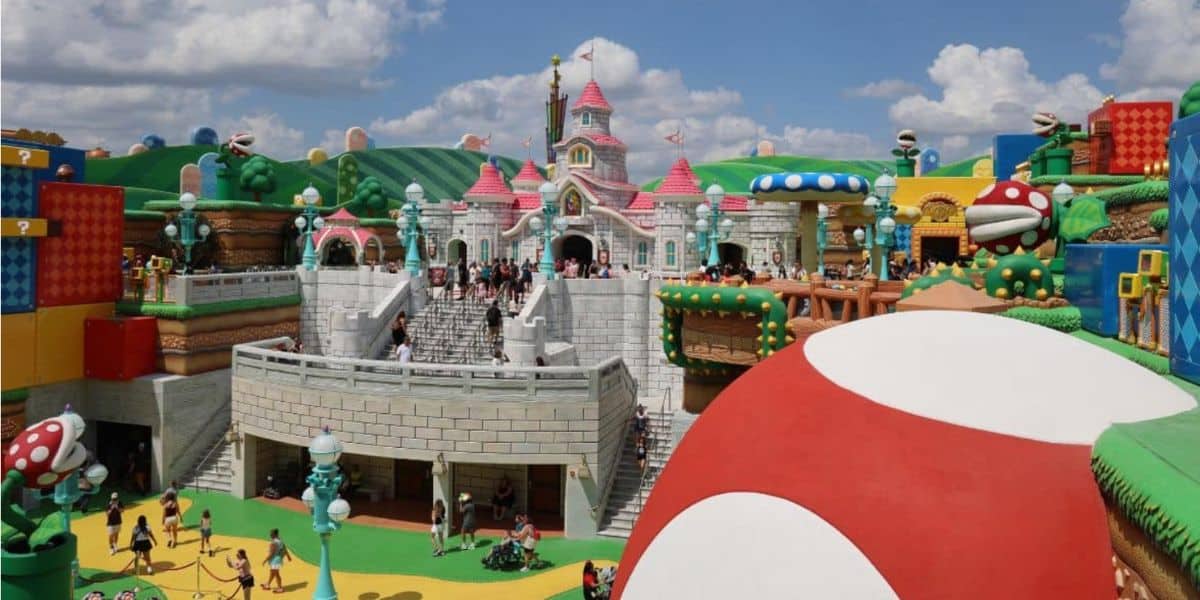
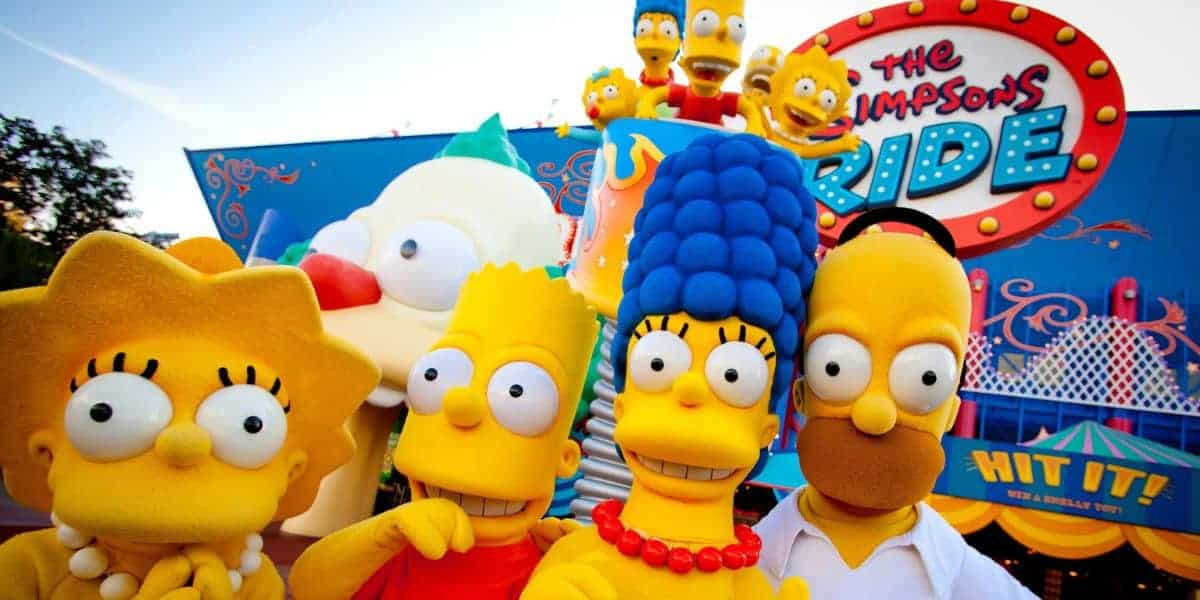
Original attractions still have a place, yet recognizable franchises dominate expansions. Disney continues to lean into worlds like Star Wars, Frozen, and Moana, while Universal doubles down on Harry Potter, Minions, and big-name attractions coming to Epic Universe, including Nintendo and How to Train Your Dragon. Fans love stepping into their favorite stories, but there’s a bittersweet feeling for those who miss original concepts and unique park-born ideas.

Seasonal Events Take Over the Calendar
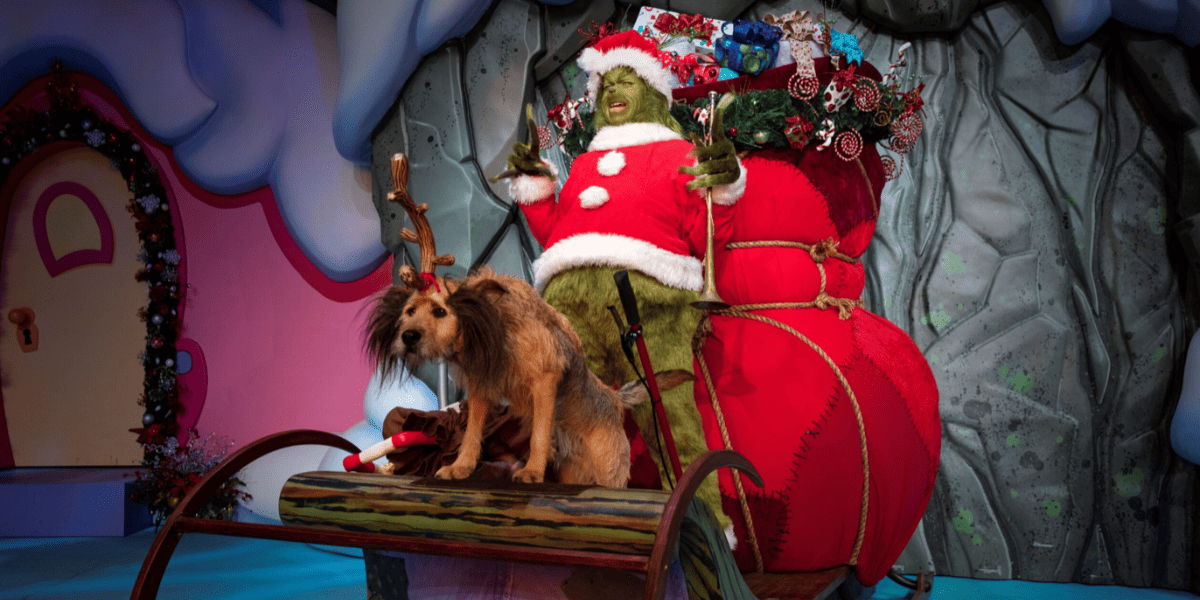
One area where fans happily support both parks? Seasonal events. Universal delivers powerhouse offerings, including Halloween Horror Nights, followed by Christmas shows and parades. Disney counters with Mickey’s Not-So-Scary Halloween Party, Very Merry Christmas Party, and Jollywood Nights. These seasonal celebrations deliver rare characters, themed snacks, and exclusive performances — even if the extra ticket cost stings.
Festivals Add Even More Flavor
Universal’s Mardi Gras and EPCOT’s year-round festivals prove neither resort rests during “off-season.” Concerts, parade floats, food booths, art shows, and themed activities give guests something new constantly. These events spark return visits, help justify rising prices, and create lively atmospheres — as long as crowds stay manageable.
The New Theme Park Reality
Disney and Universal still battle for the crown. But in 2025, they’re doing it while following similar philosophies: tech-driven touring, tiered access, pay-to-skip lines, beloved franchises, and seasonal add-ons. Some changes help create smoother trips. Others add cost and complexity. Either way, both brands are steering theme park vacations in the same direction — whether fans love the shift or not.