Universal Just Exposed Disney World’s Biggest Crowd Weakness

There’s been a quiet shift in Central Florida that doesn’t come with countdown clocks or splashy announcements. No livestreams. No fireworks. It’s something you notice instead of something you’re told about. It shows up when you glance at wait times, when your plans don’t immediately unravel, when the day feels less like a race.
Guests may disagree on what caused it, but an increasing number of them walk away with the same takeaway.
One resort simply feels easier.
And that realization tends to come after the trip, not before it.
How Epic Universe Changed the Conversation
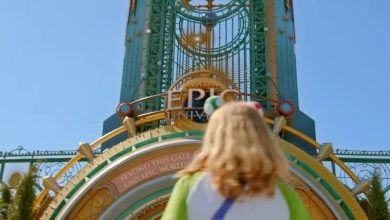
Things began to feel different in May 2025, when Epic Universe officially opened. That moment pushed Universal Orlando Resort back into the spotlight, but not only because of new attractions. It signaled a broader change in how the resort operates.
Attendance surged—hotels filled. Weekends grew busier, and seasonal events drew in guests who once defaulted to Disney without a second thought. Yet even as crowds grew, the parks didn’t feel like they were straining to keep up.
That balance wasn’t accidental. It reflected years of watching how guests move, where bottlenecks form, and what causes stress during a park day. Once Epic Universe came online, the long-term adjustments began to work together across the entire property.
Growth Without the Growing Pains
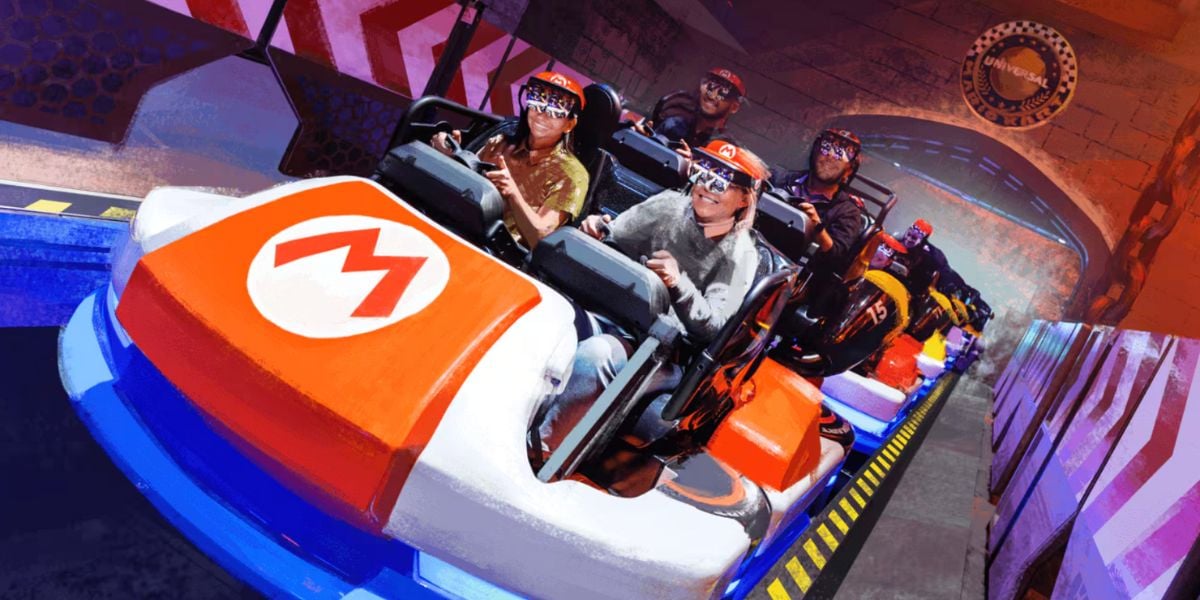
Universal didn’t treat Epic Universe like a one-day finish line. Instead of opening the gates and moving on, the resort layered changes throughout the guest experience.
Transportation timing felt smoother. Early access periods felt purposeful instead of rushed. Crowd distribution across parks improved, especially during peak times, making it easier for guests to spread out rather than funneling into the same spaces.
That approach matters because growth usually brings friction. More guests often mean longer waits and tighter walkways. Universal expanded without creating the sense that operations were constantly scrambling to catch up.
The difference becomes clearer when you compare it to what’s happening just down the road.

Why Disney World Feels More Complicated
Walt Disney World has always been a busy destination. That’s nothing new. What feels different lately is how unpredictable those crowds have become.
Guests plan their days carefully, only to discover that rope drop no longer buys them much breathing room. Midday crowds build earlier. Walkways fill faster. Even slower seasons don’t feel as forgiving as they once did.
Lightning Lane strategies add another layer of pressure. Planning shifts from optional to essential. Miss a window, and the rest of the day can spiral quickly.
What frustrates many guests is that Disney hasn’t significantly changed how crowds enter the parks. Big announcements still arrive all at once, and new offerings continue to draw intense attention on the same day. That excitement concentrates crowds into the same predictable pressure points.
Universal has taken a different route.

Letting Guests In Without the Rush
One of Universal’s most substantial advantages right now is its ability to handle openings effectively. Instead of promoting every change loudly, the resort often rolls things out quietly.
Staggered starts. Soft launches. Early access without heavy marketing.
Guests discover these changes naturally, which spreads attendance more evenly. When something opens earlier than expected, only guests already in the park benefit, reducing the surge that comes from mass announcements.
Disney’s approach leans heavily on moment—specific dates, times, and reveals. Universal’s approach leans on presence. And over time, that difference shapes how crowds move.

Why This Approach Works
Soft openings lower stress. Guests don’t feel like they’re competing with the entire internet. Cast members gain time to adjust operations before demand peaks. Minor issues get resolved quietly.
That flexibility keeps the resort nimble. Adjustments happen without backlash—capacity shifts without drama.
For guests, the result is simple. Fewer bottlenecks. More manageable waits. Less time spent reshuffling plans on an app.
It feels like the park works with you, rather than against you.

A Lead That Builds Slowly
Universal isn’t claiming victory, and it doesn’t need to. The advantage is evident in guest satisfaction, repeat visits, and word-of-mouth referrals. People leave talking about how smooth their days felt, even when crowds were high.
Disney still holds deep loyalty and nostalgia. However, when trips become more complicated to manage, that loyalty is put to the test. As Universal continues to refine its quiet strategy, the gap doesn’t suddenly widen.
It just keeps widening.