

For a lot of families, Walt Disney World used to be expensive but manageable. You saved for the trip, watched your budget, picked a hotel you could afford, and eventually made your way to Orlando.
Today, that same vacation can feel like an entirely different financial commitment.

Admission prices have climbed, hotel stays can cost considerably more, and several conveniences that were once included now require another purchase. That’s led to a growing belief among Disney fans that the company isn’t simply responding to inflation. Some believe Disney’s entire strategy has changed.
The theory is simple: Disney doesn’t necessarily need more people inside its parks. It needs the people who are there to spend more.
Smaller Crowds Can Still Mean Big Money
Recent conversations about slower summer crowds have brought that argument back into the spotlight.
If attendance drops but Disney continues producing enormous revenue from its theme park business, packed parks aren’t necessarily required for financial success.
It’s not shocking at all. They want less people in the parks. They’re targeting whales instead of the historical average guest. They charge more and staff less to offset the intended drop in attendance.
The unpopular decisions with attractions/lands also contribute to this goal https://t.co/MSuiEOhhM9
— Brer Oswald (@BrerOswald) July 22, 2026
That’s where the idea of targeting “whales” comes into play.
The term describes customers who spend substantially more than the average visitor. At Disney World, those guests might stay at Deluxe Resort hotels, book expensive dining experiences, purchase premium attraction access, take VIP tours, and spend heavily on merchandise.
One guest spending several thousand dollars can be far more valuable than multiple guests traveling on tight budgets.
That’s essentially the idea behind yield management. Instead of focusing exclusively on attendance, Disney can focus on increasing how much each visitor spends.
Disney Vacations Come With More Extras
The change becomes easier to see when comparing today’s Disney vacation with one from years ago.
FastPass+ allowed guests to reserve access to popular attractions without paying anything beyond admission.
That system is gone.
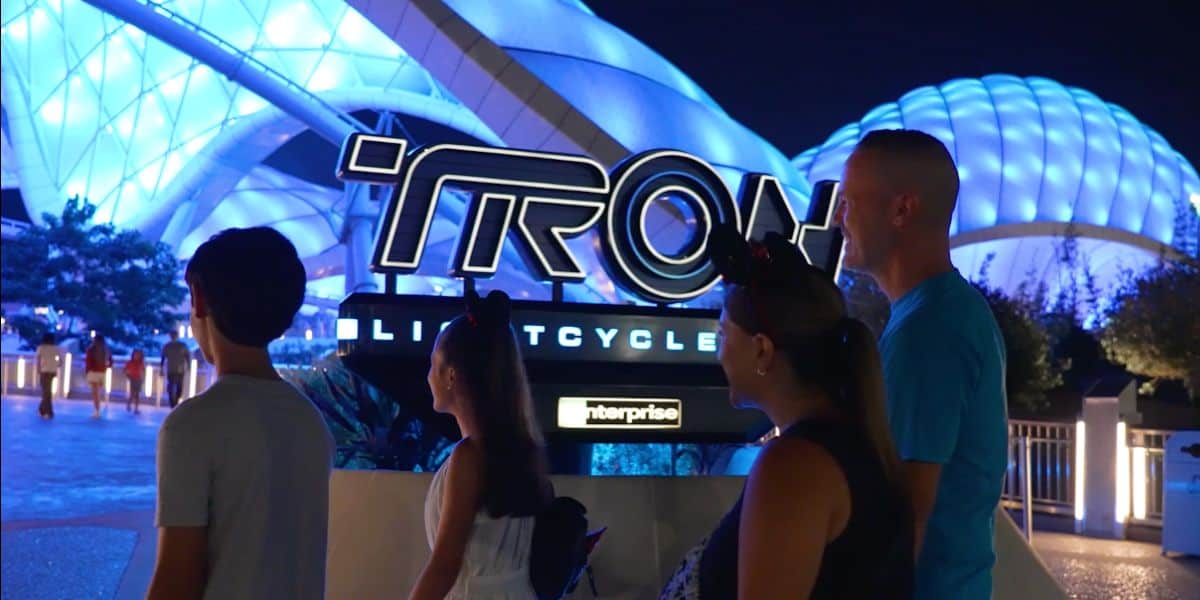
Guests can now purchase Lightning Lane Multi Pass and Lightning Lane Single Pass to reduce their waits at participating attractions. For a family of four, those purchases can quickly add another significant expense to an already costly park day.
Disney’s Magical Express disappeared, too. Resort guests once had complimentary transportation between Orlando International Airport and Walt Disney World. Families now have to arrange transportation themselves.
These changes arrived as ticket and hotel prices continued climbing.
During expensive periods, a single-day theme park ticket can approach or exceed $200. Multiply that by four people, and a family can spend hundreds of dollars before buying lunch.
Add a hotel, transportation, Lightning Lane access, meals, and souvenirs, and the final vacation price can look dramatically different from the advertised ticket price.
Paying More Can Make Disney Easier
The growing number of premium options has also changed how guests experience the parks.
Disney increasingly allows visitors to pay for convenience.
Someone willing to spend more can potentially shorten attraction waits, stay closer to the parks, book premium experiences, and remove some of the headaches associated with navigating a crowded theme park.

Budget-conscious visitors don’t necessarily have those same advantages.
Even slower attendance doesn’t guarantee an effortless day. Theme parks can adjust staffing and operating capacity when crowds decline. Reduced staffing at attractions or restaurants can still create waits, while entertainment schedules and operating hours can change during slower periods.
That can leave some visitors wondering why they’re paying more for a vacation that sometimes feels like it includes less.
Families Are Starting To Question the Cost
The financial pressure surrounding Disney vacations has become significant enough that some parents have reported going into credit card debt to pay for trips.
That’s where Disney potentially faces a bigger problem.
Families have emotional connections to these parks. Parents who visited Disney World as children often want their own kids to have the same experience.
But nostalgia only stretches so far when a vacation requires thousands of dollars.
Disney has offered discounts and promotions aimed at making trips more attractive, including children’s ticket deals, hotel discounts, and dining offers. Those promotions can certainly lower costs.
They don’t erase the broader changes that have happened to the Disney vacation.
Disney May Be Redefining Its Ideal Guest
Disney World isn’t suddenly reserved exclusively for wealthy travelers. Families can still find discounts, choose cheaper hotels, bring their own food, and skip premium extras.
But doing Disney World on a budget requires increasingly careful planning.
Meanwhile, guests willing to spend significantly more have an expanding menu of ways to do exactly that.

That’s why the argument that Disney prefers fewer, higher-spending visitors isn’t going away.
Disney doesn’t necessarily need every family to visit every year. From a purely financial perspective, attracting visitors who spend considerably more during each vacation can be extremely valuable.
The risk is what happens over the long term.
Disney World spent decades becoming a vacation destination that ordinary families dreamed about visiting. If too many of those families eventually decide the dream costs more than it’s worth, Disney could discover that maximizing what guests spend today comes with a much bigger price tomorrow.






And don’t forget to mention that during all the slow-downs and thinner crowds, Disney continues making money hand over fist.Their stockholders expect to make more money each year, regardless what the crowds are like. I hate being so pessimistic because I really love Disney, but this seems to be the trend over the past 35 years.