Marvel Weighs Jordan Peele for MCU as ‘Avengers’ Plans Spark Controversy

Marvel Studios has entered a more uncertain phase. Once defined by consistency and scale, the Marvel Cinematic Universe is now navigating a period marked by uneven reception and shifting audience expectations.
For much of the 2010s, Marvel releases functioned as reliable cultural events. Even weaker installments benefited from the strength of the larger franchise, with audiences largely trusting that each entry contributed meaningfully to a broader narrative.
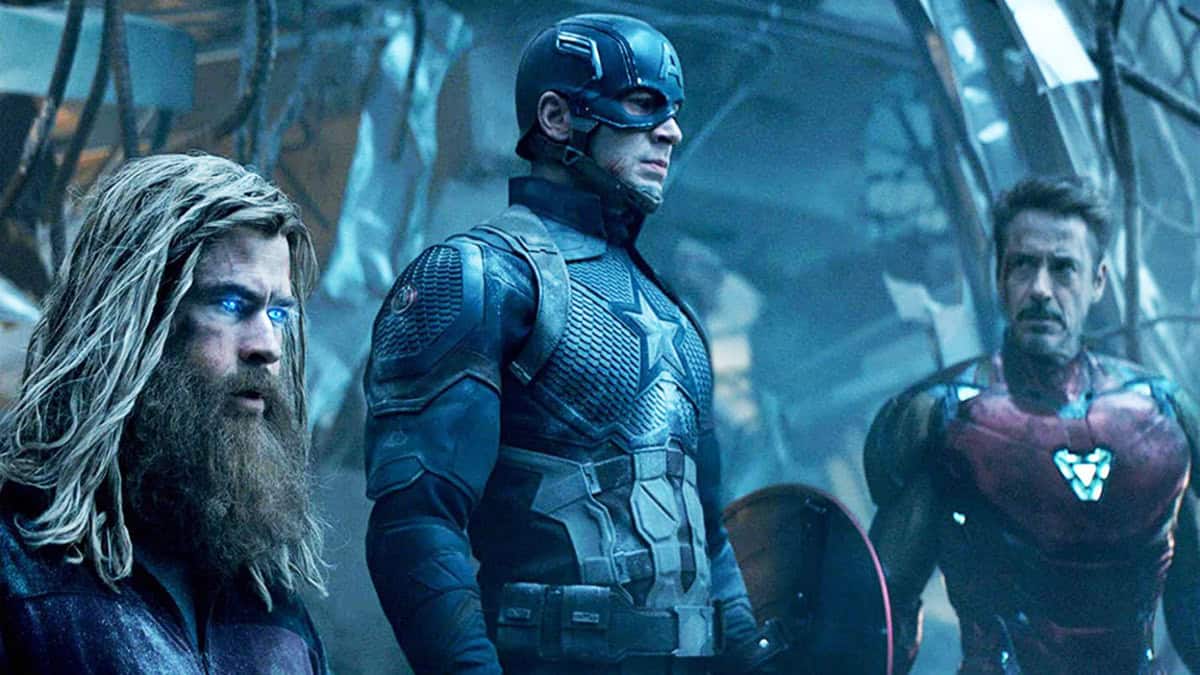
That confidence has softened. Industrywide box office pressures, an expanded Disney+ slate, and changing viewing habits have altered how audiences engage with long-running franchises. Marvel, once insulated from these shifts, is now contending with them more directly.
Post-Avengers: Endgame (2019) theatrical releases reflect that adjustment. Ant-Man and the Wasp: Quantumania (2023) and The Marvels (2023) drew criticism for their scripts, visual effects, and tonal balance. The latter became the studio’s lowest-grossing film (although how much of that was down to the film’s quality versus the fandom’s irrational hatred of Brie Larson is up for debate).
Streaming output has faced similar scrutiny. Disney+ series such as Secret Invasion (2023) – which drew criticism from its premiere onwards thanks to its use of AI – and Echo (2024) struggled to generate sustained engagement, prompting discussion about whether Marvel’s interconnected approach has become too expansive.

At the same time, several projects performed well. Guardians of the Galaxy Vol. 3 (2023) earned strong reviews and solid box office returns, while Deadpool & Wolverine (2024) and Spider-Man: No Way Home (2021) each surpassed $1 billion globally.
Those successes, however, have not fully offset recent underperformance. In 2025, Fantastic Four: The First Steps (2025) and Thunderbolts (2025) arrived to generally positive reviews but failed to reach expected commercial highs.
As a result, attention has increasingly shifted to Marvel’s next major crossover.
Fans Continue to Criticize Avengers: Doomsday (2026)
Avengers: Doomsday (2026) is positioned as a major inflection point for the franchise. Since its announcement, the film has generated significant discussion, particularly around its creative choices and reliance on established characters.

That conversation began with confirmation that Robert Downey Jr. would return in a new role as Doctor Doom, reportedly for a salary exceeding $80 million. Anthony Russo and Joe Russo are also returning as directors, fresh off a string of underwhelming non-Marvel releases that include Netflix’s The Electric State (2025) starring Chris Pratt and Millie Bobby Brown.
The cast includes Chris Hemsworth, Sebastian Stan, Paul Rudd, Simu Liu, Tom Hiddleston, Patrick Stewart, and Ian McKellen, blending longtime Avengers with multiverse-era characters.
A teaser released ahead of Avatar: Fire and Ash (2025) confirmed that Chris Evans will once again portray Steve Rogers (although whether he’ll actually suit up as Captain America after handing the shield over to Sam Wilson remains to be seen).
The decision has drawn criticism due to the character’s apparent conclusion in Avengers: Endgame.
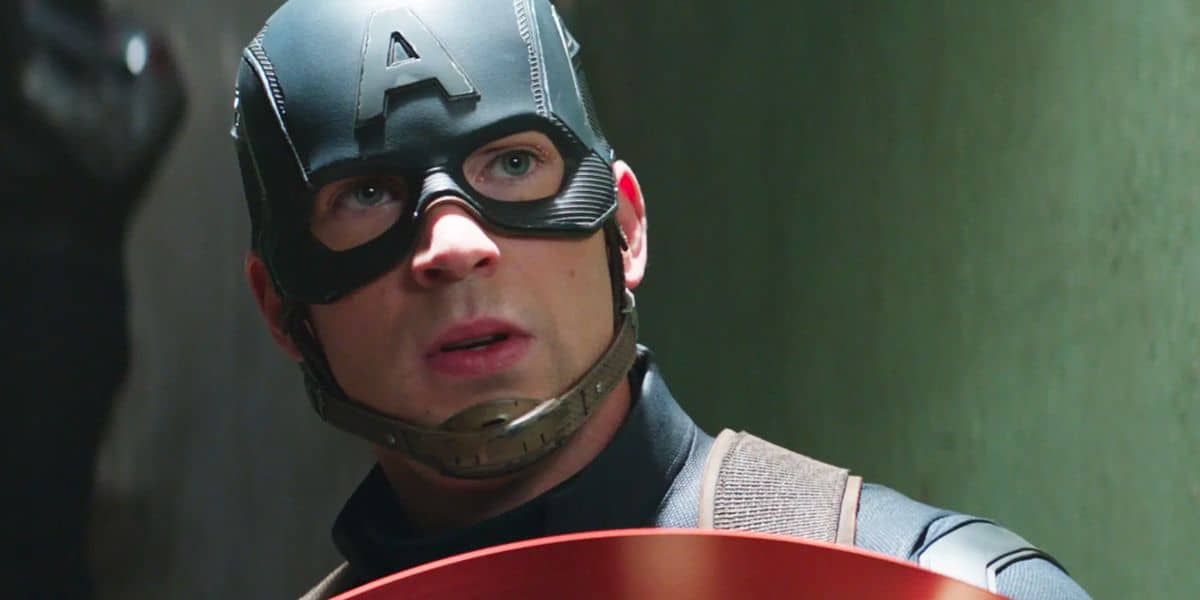
Some fans view the move as a way to restore familiarity and narrative continuity. Endgame remains the franchise’s most commercially successful and widely praised installment.
Others have expressed reservations. Critics argue that revisiting Steve Rogers risks diminishing the impact of his earlier conclusion, while the broader reliance on legacy talent has raised concerns about creative direction.
The response underscores the pressure surrounding the film. Marvel’s near-term outlook appears closely tied to how Avengers: Doomsday is received.
Marvel’s New Strategy: Jordan Peele
Alongside its focus on major crossovers, Marvel may be exploring new creative partnerships. A recent rumor suggests the studio is considering Jordan Peele for a future Marvel Cinematic Universe project.
The report, shared by insider Daniel Richtman, did not specify a film. Separately, journalist Jeff Sneider said on The Hot Mic podcast that Peele previously met with Marvel to discuss directing the franchise’s X-Men reboot.
That project ultimately went to Jake Schreier, who directed Thunderbolts* (2025). Peele’s involvement nonetheless sparked broader speculation about how his sensibilities might fit within the MCU.
— Monkeypaw Productions (@Monkeypaw) December 29, 2025
Interest grew after Peele’s production company reposted a cryptic message on X, formerly known as Twitter. No official announcement followed.
Fans have pointed to Blade as a possible match. The reboot has faced extended development delays and was recently removed from Marvel’s release calendar.
Peele’s previous films — Get Out (2017), Us (2019), and Nope (2022) — are known for combining genre elements with clear thematic focus, an approach some feel could benefit Marvel’s evolving slate.
Would you like to see Jordan Peele direct a Marvel movie?