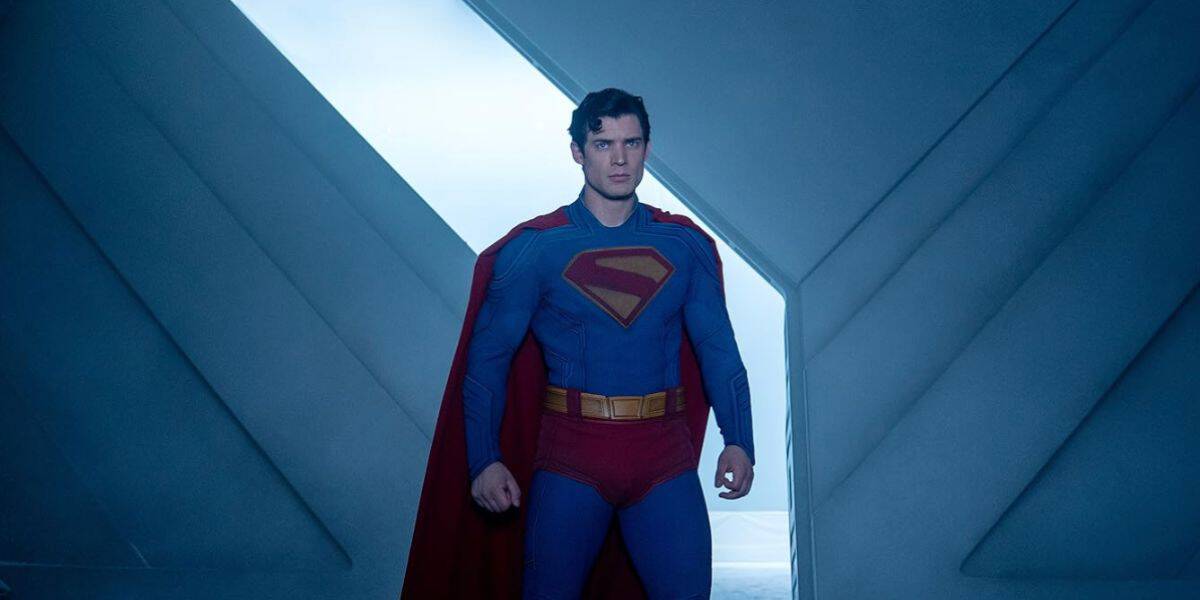
DC Studios’ reset was supposed to be a clean break from its recent past – but it may be entering a new, equally complicated era.
James Gunn and Peter Safran were named co-chairs and co-CEOs of DC Studios in late 2022, inheriting a franchise struggling to recover from a run of expensive disappointments, abandoned plans, and competing versions of its biggest heroes.

Their answer was a newly connected DC Universe, with Gunn – fresh off overseeing Marvel’s Guardians of the Galaxy trilogy – serving as its loudest creative advocate. He wrote and directed Superman, pushed lesser-known characters into the spotlight, and repeatedly presented the reboot as a more coherent alternative to the previous DC era.
That first theatrical chapter initially looked promising. Superman opened to $125 million domestically in 2025 and ultimately earned $618.7 million worldwide, giving Warner Bros. a genuine hit and DC its strongest proof yet that the reboot could connect with audiences.
But the next release has complicated that narrative.
The Reboot’s First Real Test Did Not Go as Planned
Supergirl was supposed to show that DC Studios could build a universe larger than Gunn’s own directing work. Starring Milly Alcock and directed by Craig Gillespie, the film was the first DCU theatrical entry not helmed by Gunn himself.
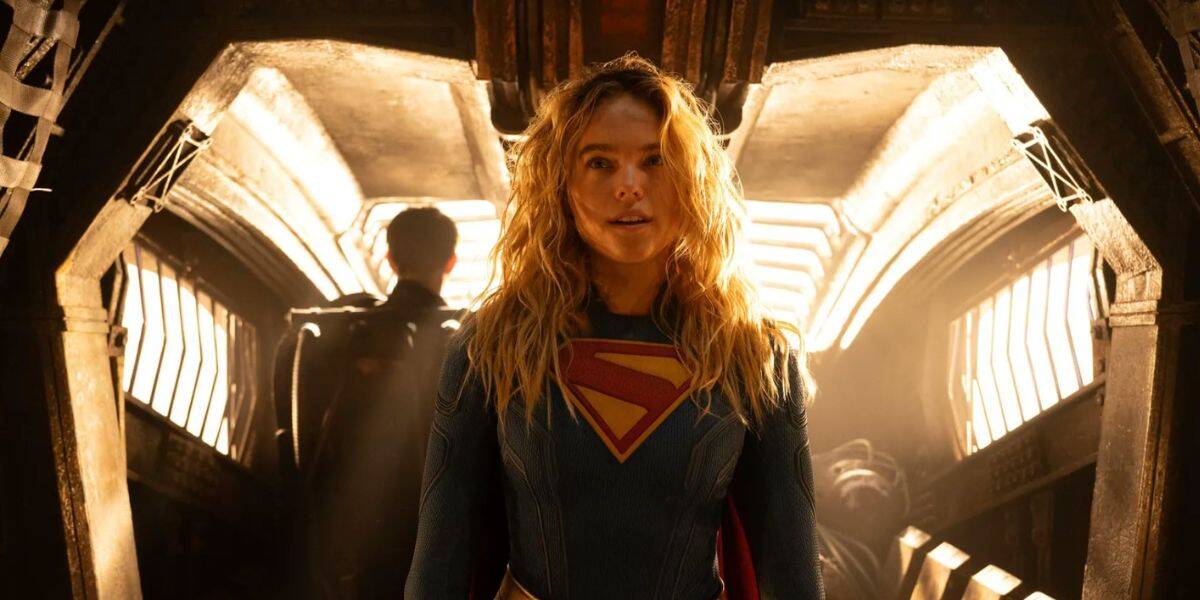
Instead, it opened to just over $37 million domestically, below projections and below the opening of Joker: Folie à Deux. The film was reportedly budgeted between $170 million and $180 million, putting significant pressure on its international performance and post-theatrical revenue.
The underwhelming launch has inevitably led some fans to question the direction of the new DC Universe. Supergirl’s darker, stranger take on Kara Zor-El split viewers, while criticism focused on its tonal shifts, thin villain material, and a story that felt disconnected from the optimism of Superman.
Not all of the backlash has been constructive. Female-led superhero films have long attracted a strain of online criticism that has little to do with the actual movie, and Alcock’s casting became a target in corners of social media before audiences had even seen the finished film.
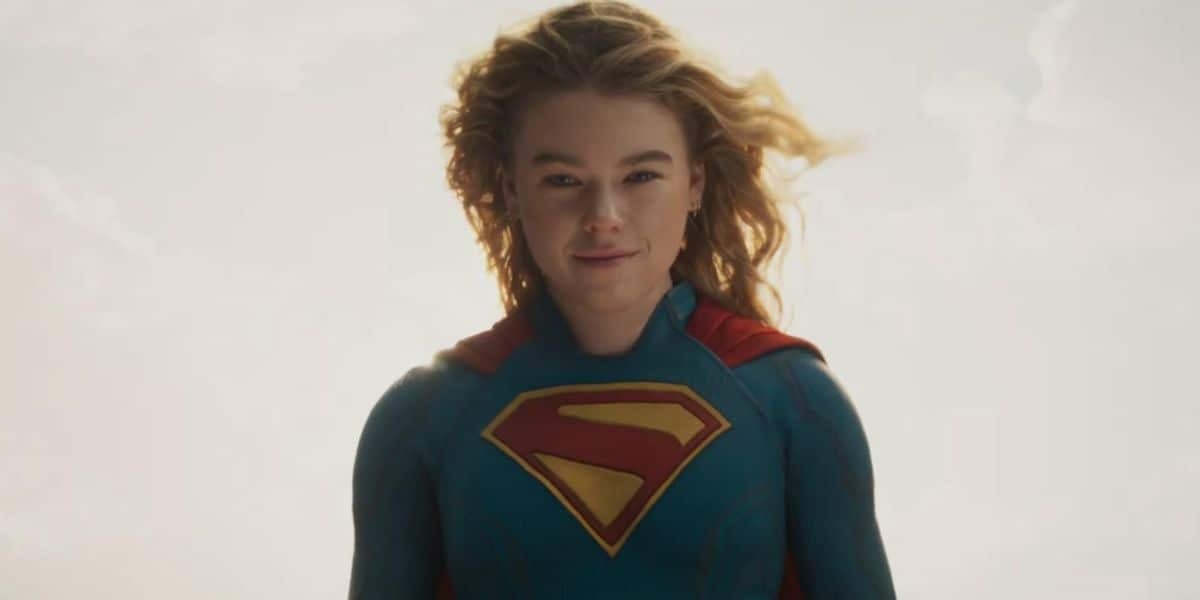
That does not make the box office numbers disappear. Supergirl can be a commercial disappointment while still facing a harsher standard than a male-led comic-book release would. The more relevant question is whether DC’s leadership made the right calls when the film began showing signs of trouble.
According to The Hollywood Reporter, concerns about Supergirl emerged months before release. Filming wrapped in May 2025, and by that fall, the studio and Gillespie reportedly knew the movie was not fully landing.
A December test screening was merely adequate, prompting DC Studios to become more hands-on in post-production. Writer Jeremy Slater, who had previously worked with Gunn on DC’s unmade The Authority project, was brought in during the process, while original screenwriter Ana Nogueira remained involved.

The film underwent at least four test screenings, with reports indicating that most scores remained in the 60s. One insider said the strongest score reached 70, hardly the kind of momentum a major summer tentpole needs before heading into an expensive global rollout.
The report also described a particularly unusual late-stage process: DC Studios tested a version assembled by Gillespie against a separate studio cut. The studio’s version reportedly edged out Gillespie’s by only two points, while both cuts scored lower than earlier versions.
The Contract Question Now Hangs Over DC Studios
The behind-the-scenes story matters because Gunn is not merely a producer attached to the DC slate. He is the co-head of the studio, the director of its flagship Superman film, and the executive most closely associated with its promise of stronger creative oversight.
Peter Safran publicly defended the broader plan after Supergirl’s poor opening, saying, “While Supergirl didn’t meet our box office expectations, it’s just one component of a broader, long-term strategy at DC Studios that we remain confident in.”

Still, The Hollywood Reporter noted that sources believe Gunn and Safran’s contracts could expire either at the end of 2026 or the end of 2027. Warner Bros. Discovery has not publicly confirmed that timetable.
That uncertainty is where the five-month question comes in. Should the shorter timeline be accurate, Warner Bros. Discovery could be forced to decide whether to renew the pair’s deals, alter the structure of DC Studios, or make a leadership change before 2027.
There is no report that Gunn is being fired, pushed out, or negotiating an exit. In fact, the same report says Gunn and Safran are expected to continue guiding DC’s slate.
But Supergirl has created an uncomfortable early test. Gunn’s reputation rests partly on the idea that DC would avoid the confused, committee-driven decision-making that damaged the old franchise. A film that reportedly went through competing cuts, reshoots, and post-production friction makes that promise harder to sell.
DC still has major releases ahead, including Clayface and Gunn’s Man of Tomorrow – which sees Corenswet return as Superman, reluctantly teaming up with Nicholas Hoult’s Lex Luthor – currently dated for July 2027. Those projects may ultimately determine whether Supergirl becomes a one-off stumble or the first warning sign that the DCU’s reset is already losing momentum.
Are you optimistic about the future of the DC Universe under James Gunn?