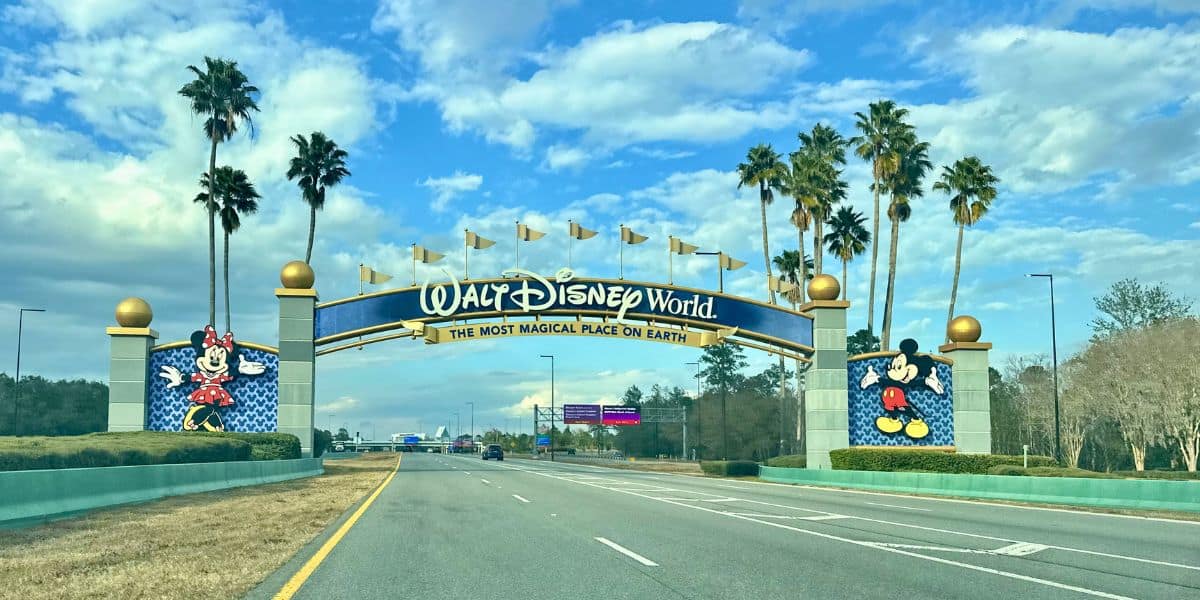
For countless families, a Walt Disney World vacation is months—or even years—in the making. Park reservations are carefully planned, dining experiences are booked the moment they become available, and every minute of the trip is designed around creating memories that last a lifetime.
That makes even the smallest health concern feel much bigger than it otherwise might. After all, no guest wants to spend precious vacation time confined to a hotel room instead of watching fireworks over Cinderella Castle or exploring the newest attractions. It’s one of the hidden anxieties that comes with traveling, especially during Florida’s busy summer season.
Now, a growing public health investigation is giving travelers another reason to stay informed before heading to the Sunshine State. While officials are still working to determine exactly what’s behind the outbreak, new cases continue to appear across Florida, prompting increased attention from both state and federal health agencies.

Florida’s Cyclospora Outbreak Continues to Expand
According to the Florida Department of Health, the state has now reported 50 confirmed cases of cyclosporiasis since the outbreak began in May.
The illness is caused by the parasite Cyclospora cayetanensis, which spreads through contaminated food or water. Officials say there is currently no evidence of a single source connecting every reported illness, making the investigation significantly more complicated.
On Tuesday, HCA Florida Brandon Hospital confirmed two additional cases in Hillsborough County, adding to a statewide map that now stretches across more than 20 counties. Lee County currently leads Florida with nine reported cases, followed by Miami-Dade with six and Broward with five.
Nationally, the Centers for Disease Control and Prevention (CDC) and the U.S. Food and Drug Administration (FDA) are investigating 145 confirmed cases across 17 states, with 20 patients requiring hospitalization. Investigators continue tracing potential food sources while examining several separate clusters of illness rather than one nationwide outbreak.
That uncertainty is exactly what’s making public health officials proceed carefully.

Disney World Guests Aren’t Being Told to Cancel—But Awareness Matters
There is no indication that Walt Disney World is connected to the outbreak, nor have health officials identified Disney as part of the federal investigation.
Still, for the millions of guests visiting Central Florida every year, the news naturally raises questions.
Disney vacations revolve around eating. From EPCOT festivals and signature restaurants to quick-service meals and fresh snacks scattered throughout the parks, food is part of the experience as much as the attractions themselves.
Because investigators believe contaminated food may be responsible—but haven’t identified a specific product or supplier—travelers may understandably wonder what precautions they should take while visiting Florida.
That’s where context becomes important.
Cyclospora outbreaks have historically been linked to certain fresh produce items, including herbs, leafy greens, berries, and vegetables that were contaminated before reaching consumers. The parasite cannot spread simply by walking through crowded theme parks or riding attractions, and there is currently no recommendation from health officials to avoid traveling to Florida or visiting Disney World.
For longtime Disney fans, that’s an important distinction. The story isn’t about panic—it’s about staying informed while enjoying a vacation responsibly.

The Symptoms Can Easily Disrupt a Dream Vacation
Cyclosporiasis most commonly causes watery diarrhea, but symptoms can also include:
- Loss of appetite
- Weight loss
- Stomach cramping
- Bloating
- Increased gas
- Nausea
- Fatigue
- Vomiting
- Body aches
- Headaches
- Low-grade fever
- Other flu-like symptoms
If left untreated, symptoms can last anywhere from several days to a month. In some cases, they disappear only to return later.
That’s precisely why health experts encourage travelers to pay attention if gastrointestinal symptoms develop during or shortly after a trip.
A day spent recovering inside a resort room instead of experiencing Magic Kingdom, EPCOT, Disney’s Hollywood Studios, or Disney’s Animal Kingdom can dramatically change the tone of an otherwise unforgettable vacation.

Simple Precautions Can Make a Meaningful Difference
While investigators continue searching for the source of the outbreak, health officials recommend following standard food safety practices.
Guests visiting Disney World—or anywhere in Florida—can help reduce their risk by:
- Washing hands thoroughly before eating.
- Washing fresh fruits and vegetables whenever possible.
- Drinking safe, treated water.
- Paying attention to food recalls or public health alerts before and during travel.
- Seeking medical care if severe or persistent diarrhea develops.
Most guests will never encounter any issues during their vacation. Still, staying aware of evolving health advisories is becoming an increasingly common part of modern travel, particularly during busy tourism seasons.
It’s also worth remembering that Disney maintains extensive food safety procedures across its restaurants and resorts, and there has been no indication those operations are involved in the current investigation.

Travelers Will Be Watching Closely as the Investigation Continues
For now, one of the biggest questions remains unanswered: where exactly is the contamination coming from?
Until investigators identify a common source—or determine that multiple unrelated outbreaks are occurring simultaneously—new cases may continue to appear throughout Florida and across the country.
For Disney World visitors, the takeaway isn’t to rethink a vacation, but to approach travel with the same preparation they already use for Florida’s intense summer heat, afternoon thunderstorms, and other seasonal challenges.
As federal investigators continue tracing the outbreak, many travelers will likely keep one eye on public health updates alongside ride wait times and weather forecasts. Whether officials ultimately identify a single contaminated food source or several unrelated clusters, the investigation serves as a reminder that protecting a magical vacation sometimes starts well before stepping through the park gates.