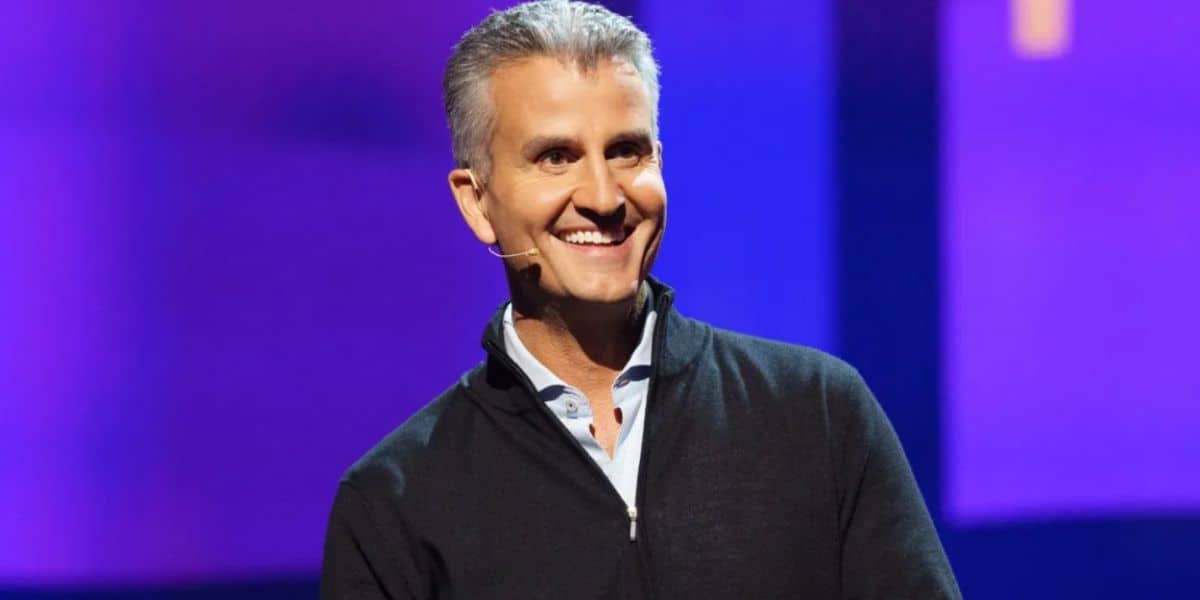
The high-stakes world of sports broadcasting is facing a severe reality check as the summer of 2026 begins. For decades, ESPN has reigned supreme as the undisputed “Worldwide Leader in Sports,” but behind the high-tech studio monitors of its Bristol, Connecticut campus, a deep corporate anxiety is taking hold.
Parent company The Walt Disney Company is actively preparing for yet another sweeping round of layoffs at the sports network. This looming corporate purge threatens to upend both off-camera production teams and beloved on-air personalities.
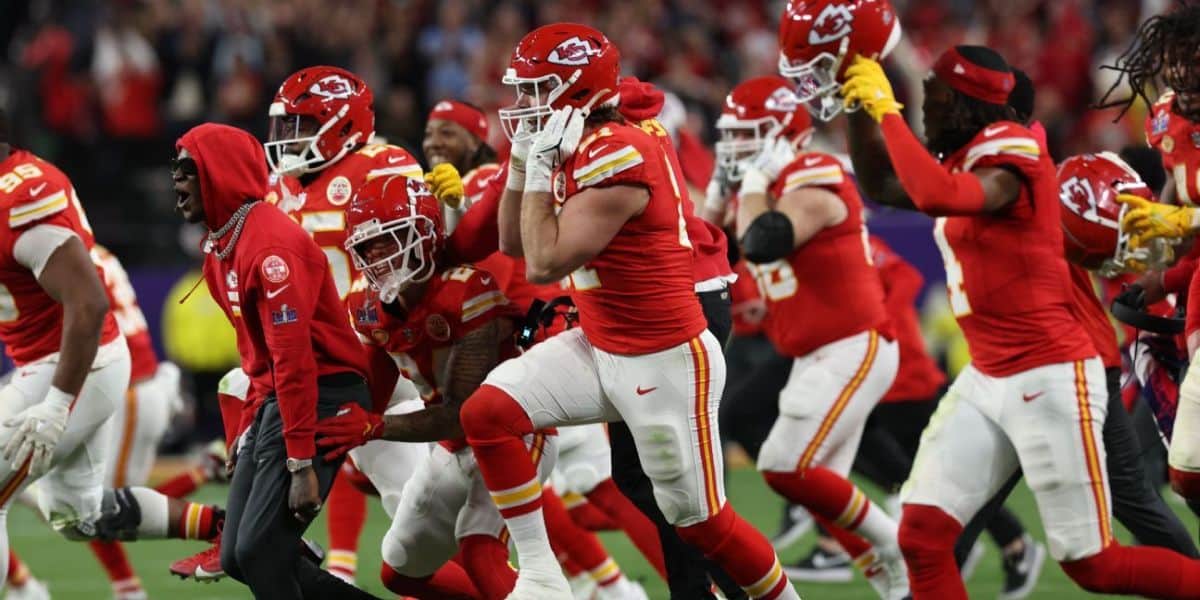
This wave of job cuts comes amid a massive structural transformation for the brand. While Disney has successfully pulled off some of the largest media acquisitions in sports history, the financial weight of integrating these massive networks has caught up with the corporate balance sheet. As traditional cable fees continue to evaporate in favor of streaming economics, Disney executives are once again using the corporate scalpel to trim overhead costs aggressively.
The Impending Summer Purge: Cuts Target Both Talent and Crew
According to a breaking report from Front Office Sports, ESPN is quietly bracing for an impending round of layoffs scheduled to roll out this summer. While the sports media giant has navigated several localized restructurings over the past decade, this latest initiative is expected to slice deeper into core operations than previous tech-heavy downsizings.
Industry insiders indicate that the upcoming pink slips will not be restricted to backend engineering or administrative divisions. Instead, the reductions are expected to directly affect high-profile on-camera commentators, journalists, and non-camera production staff alike.

When pressed for comment regarding the exact scope of the personnel cuts or which specific programming divisions would bear the brunt of the downsizing, an ESPN spokesperson declined to provide details. However, sports media professionals are preparing for the worst, knowing that overlapping roles across Disney’s multi-platform ecosystem are under heavy scrutiny.
Alarmingly, this upcoming summer downsizing represents the second major corporate contraction for the sports network in just a matter of months. Past reporting indicates that during the spring, ESPN quietly eliminated approximately 30 off-camera production positions as part of a broader, company-wide wave of layoffs mandated by Disney corporate.
With additional reporting highlighting that Disney’s broader corporate belt-tightening is far from finished, the sports division finds itself firmly on the front lines of an unyielding efficiency drive.
The Catalyst: How the Blockbuster NFL Media Deal Sparked Massive Overlap
To understand why ESPN is suddenly facing an overstaffing crisis, one must look back to the monumental regulatory milestone achieved earlier this year. In February 2026, Disney officially secured critical approval from the Trump administration for a historic, multi-faceted equity agreement with the National Football League. This highly anticipated regulatory greenlight formally allowed ESPN to take operational control of NFL Media.

The blockbuster deal effectively absorbed league-owned powerhouse assets into the Disney portfolio, including:
- The NFL Network: The league’s 24-hour linear television flagship.
- NFL RedZone: The wildly popular, commercial-free Sunday afternoon whip-around broadcast.
- NFL.com and NFL Films: The league’s premier digital journalism platform and its legendary, Emmy-winning historical production house.
At the time, the acquisition was celebrated as a brilliant strategic coup that would give Disney total dominance over football content ahead of the launch of ESPN’s standalone direct-to-consumer streaming platform. However, the day-to-day reality of merging two massive, fully realized media empires has proven to be incredibly complex and redundant.
When the transaction officially closed, hundreds of employees formerly tied to the league-owned networks transitioned onto Disney’s payroll as official ESPN staff members. While this gave ESPN unprecedented production capabilities, it also created an unsustainable abundance of overlapping roles.
Suddenly, the combined company possessed double the necessary headcount for daily studio production, online sports writing, and specialized football analysis. The upcoming summer layoffs are the direct fallout of this hyper-consolidation, as corporate leadership seeks to eliminate the structural redundancies born from the merger.
Josh D’Amaro’s Vision: Engineering a Tech-Driven, Leaner Workforce
The looming job cuts at Bristol are a direct reflection of a definitive philosophy taking root at the highest levels of Disney corporate leadership. Newly appointed Disney CEO Josh D’Amaro has made it explicitly clear that legacy media production methods are unsustainable in an environment defined by shifting cable bundles, artificial intelligence, and direct-to-consumer streaming models.
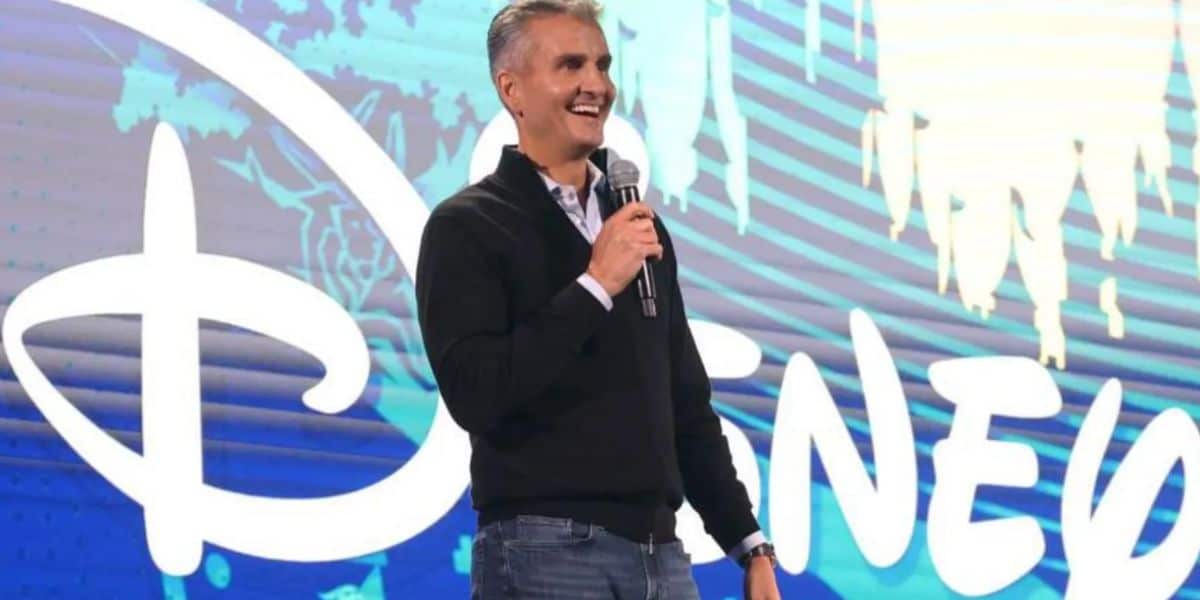
In a company-wide memorandum sent to employees, D’Amaro dropped unmistakable hints that Disney would be systematically eliminating human roles to foster a faster, more technologically integrated organization.
“Given the fast-moving pace of our industries, this requires us to constantly assess how to foster a more agile and technologically-enabled workforce to meet tomorrow’s needs,” D’Amaro wrote in the internal address. “As a result, we will be eliminating roles in some parts of the company and have begun notifying impacted employees.”
For ESPN, this transition to a tech-enabled workforce translates directly to a heavier reliance on automated control rooms, centralized remote production models, and AI-assisted content syndication. As the network continues to pour billions of dollars into securing premium live-sports broadcasting rights, it is attempting to balance the books by driving down human labor costs behind the camera.
A Grim Outlook for Sports Media Professionals
For the employees walking the halls of ESPN’s headquarters, the constant threat of corporate restructuring has created a workplace defined by intense stress. The sports media job market has contracted sharply over the past five years, leaving very few landing pads for displaced camera operators, audio engineers, technical directors, and traditional journalists.

Even prominent on-air talent—once viewed as untouchable assets due to their public popularity—now face a highly volatile market. Disney has shown a continuous willingness to walk away from high-priced commentator contracts, preferring to anchor its programming around a select few mega-stars while filling out the rest of its studio panels with cheaper, rotating contributors.
As the summer of 2026 unfolds, the impending purge at ESPN serves as a stark reminder of the cold, mechanical forces governing modern entertainment consolidation.