
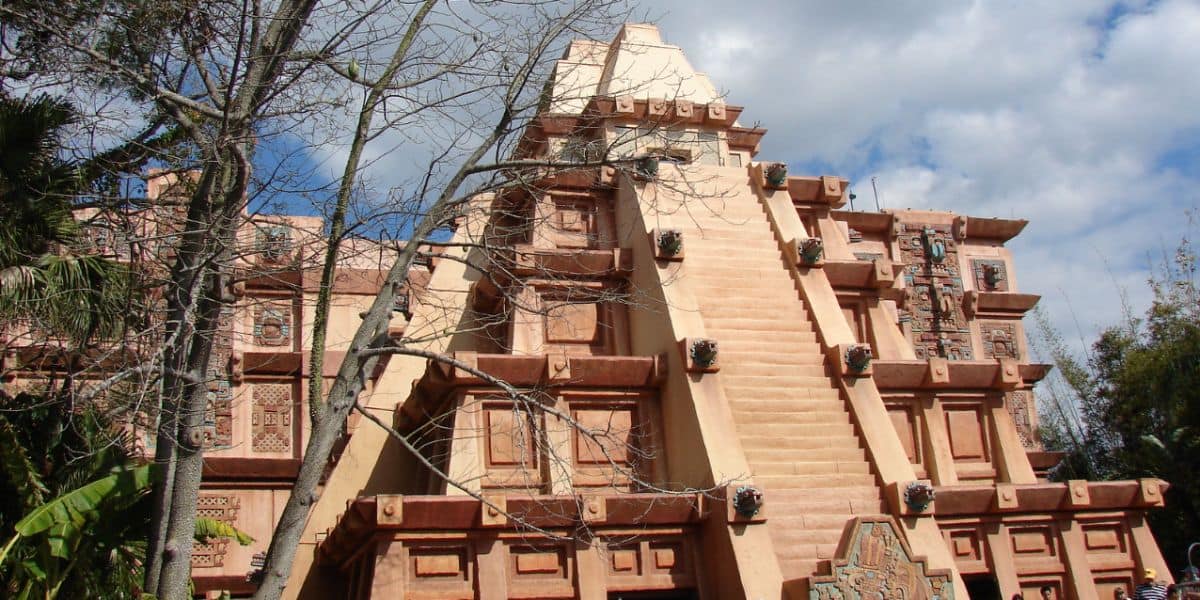
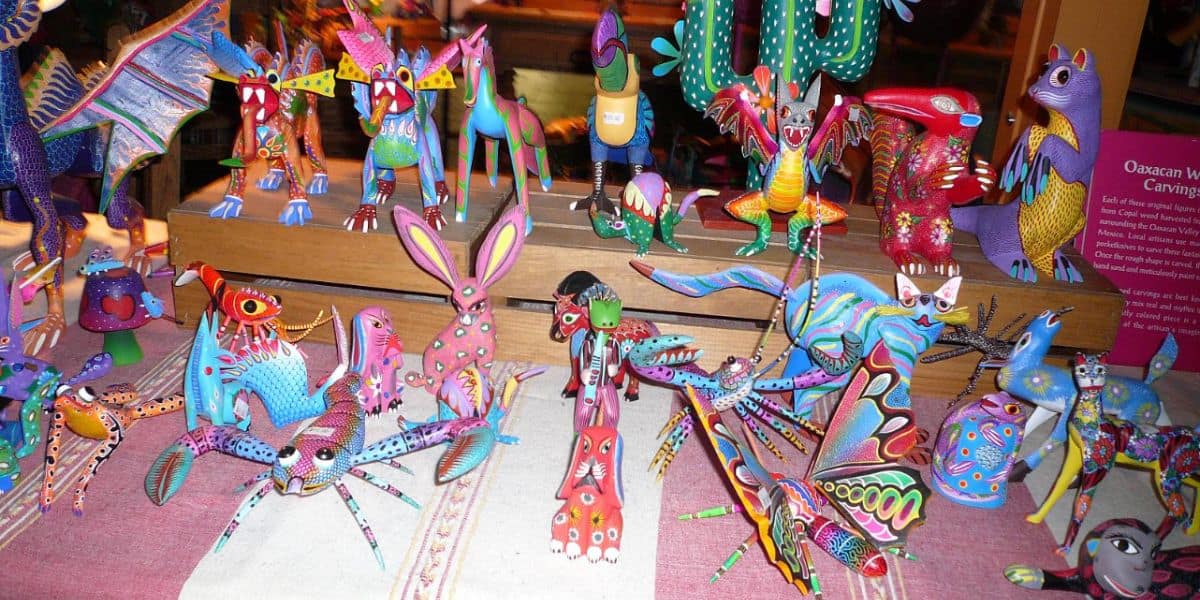
On August 31, 2026, a small, dimly lit corner inside the Mexico Pavilion at EPCOT went dark. For 24 years, Alba Hernandez Santiago sat under the twilight canopy of Plaza de los Amigos, meticulously hand-painting Oaxacan wood carvings known as alebrijes. Trained in Arrazola, Mexico—the birthplace of the craft—Santiago, along with her family, transformed raw copal wood into vibrant, intricate statues of real and fantastical creatures.
Then, with just a few days’ advance notice and a 50% liquidating sale, Disney closed the shop for good. Shortly after, the nearby Kidcot cultural craft station was dismantled and roped off. Disney offered no public explanation for the sudden removal of its last resident artisan stand, but theme park insiders widely suspect the space will be repurposed to accommodate queue overflow for La Cava del Tequila, the pavilion’s famously crowded tequila bar.
Santiago’s quiet exit isn’t an isolated operational shift. It is the latest chapter in a multi-decade transformation that has systematically moved EPCOT away from its founding vision as an educational World’s Fair and toward an adult playground driven by alcohol sales, festival booths, and animated movie franchises.
The Extinction of World Showcase Craftspeople
When World Showcase opened in 1982, its primary attraction wasn’t roller coasters or character meet-and-greets—it was human connection. The pavilions were designed as living cultural exchanges where guests could meet international ambassadors, learn about global heritage, and watch master craftspeople practice centuries-old art forms.
Over the last 15 years, Disney has methodically eliminated these resident artisans without replacement:
- Germany’s Egg Painter (2012): Opening-day cast member Jutta Levasseur spent 30 years sitting in a small alcove facing World Showcase Lagoon, hand-decorating eggs in the traditional East German Sorbian style. Her work turned casual visitors into lifelong collectors, yet when she was removed, her workbench was quietly cleared away.
- Japan’s Candy Sculptor (2013): Miyuki Sugimori captivated generations of guests by transforming warm, putty-like rice candy into delicate animal sculptures (amezaiku) in minutes. After health and safety regulations restricted her from handing the finished creations to children, Sugimori retired. Disney never hired a successor.
- Morocco’s Royal Artisans (2020): When the Morocco Pavilion was built in 1984, King Hassan II sent 21 Moroccan craftsmen to ensure the mosaic tilework, carved plaster, and wooden archways were completely authentic. The pavilion featured a vibrant souk, traditional belly dancers, and live North African musicians. When Morocco’s corporate sponsorship ended in 2020, Disney took over operations, closed the authentic craft shops, and converted the space into a meet-and-greet area for Aladdin, a fictional character set thousands of miles away in Agrabah.
With Santiago’s departure in August 2026, the era of resident World Showcase artisans has officially come to an end.
From Cultural Discovery to “Drinking Around the World”
As cultural touchpoints have vanished, alcohol sales have moved to center stage. What began decades ago as an unofficial fan activity—”Drinking Around the World”—has been embraced and aggressively monetized by Disney corporate leadership.
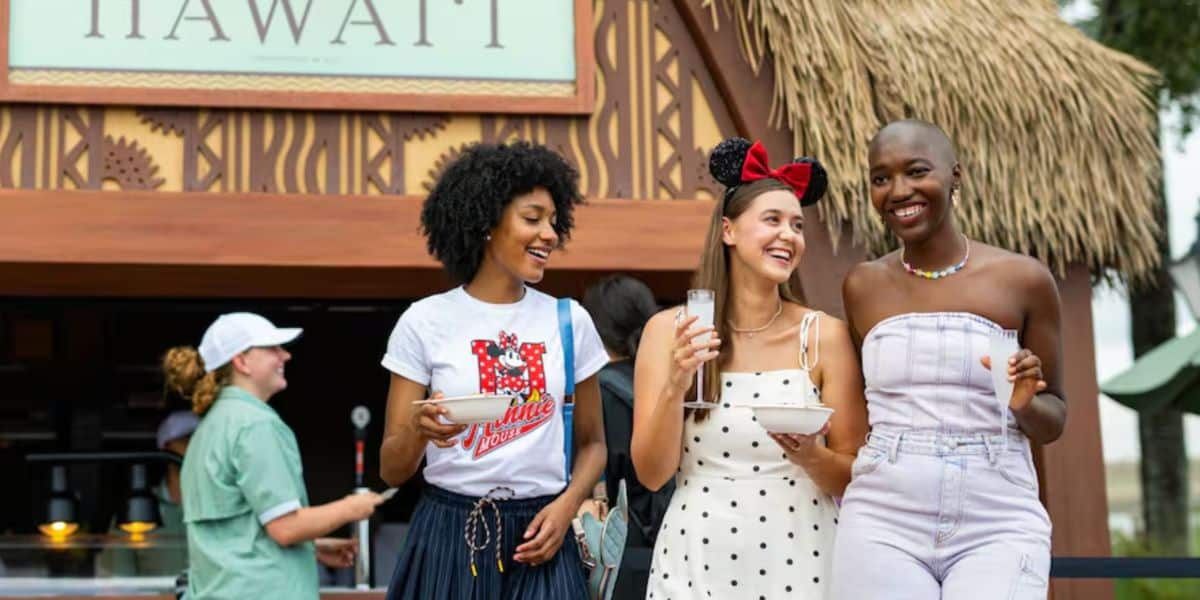
Today, EPCOT operates under an almost non-stop festival calendar. Between the International Food & Wine Festival, Flower & Garden Festival, Festival of the Arts, and Festival of the Holidays, pop-up kiosks line the World Showcase promenade for roughly 300 days a year. While these festivals offer diverse culinary options, a massive portion of their menus relies on high-margin specialty cocktails, craft beers, and wine pours.
The physical architecture of the park reflects this commercial shift. Areas once reserved for quiet cultural exhibits, craft demonstrations, and educational displays have been converted into drink stands and bar queue spillover spaces. On weekend evenings, the once-peaceful promenade frequently resembles a packed nightlife district filled with loud bachelor parties, matching “Drinking Team” t-shirts, and congested walkways.
Substituting Real-World Heritage with Corporate IP
Hand in hand with the expansion of alcohol sales is Disney’s strategy to overwrite real-world history and culture with animated-movie intellectual property (IP).
When World Showcase was created, rides were designed to celebrate the history, geography, and folklore of real nations:
- Norway’s Maelstrom educated guests on Viking legends and modern Scandinavian industries before being replaced by Frozen Ever After, turning a real country into the fictional realm of Arendelle.
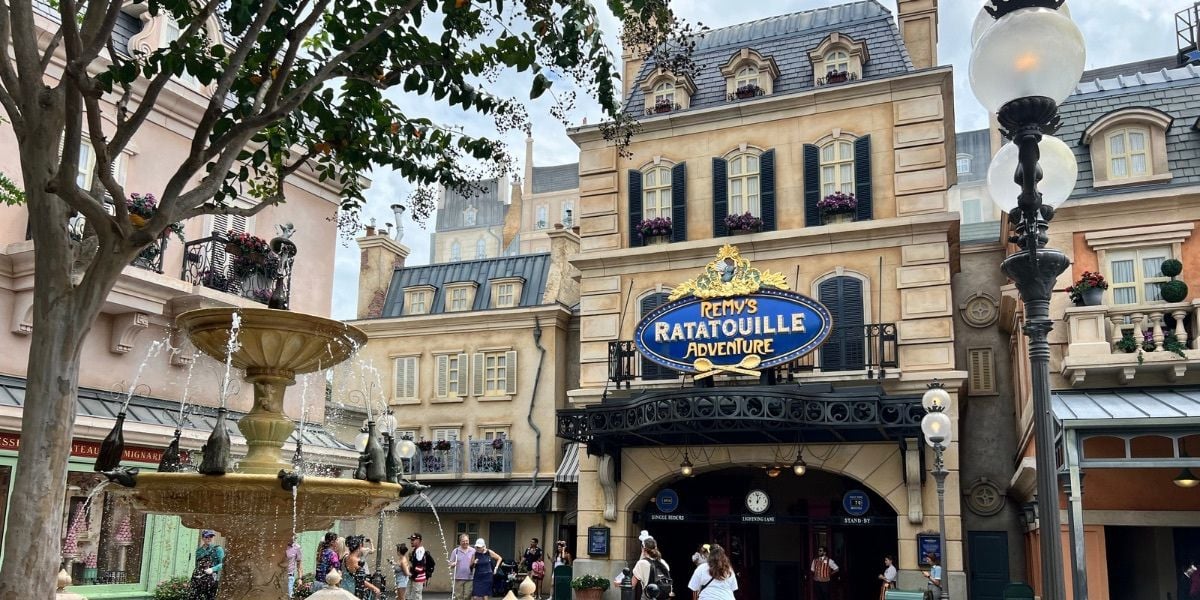
- In France, Remy’s Ratatouille Adventure anchors the pavilion’s expansion, shifting the focus from French architecture and culinary history to a Pixar movie.
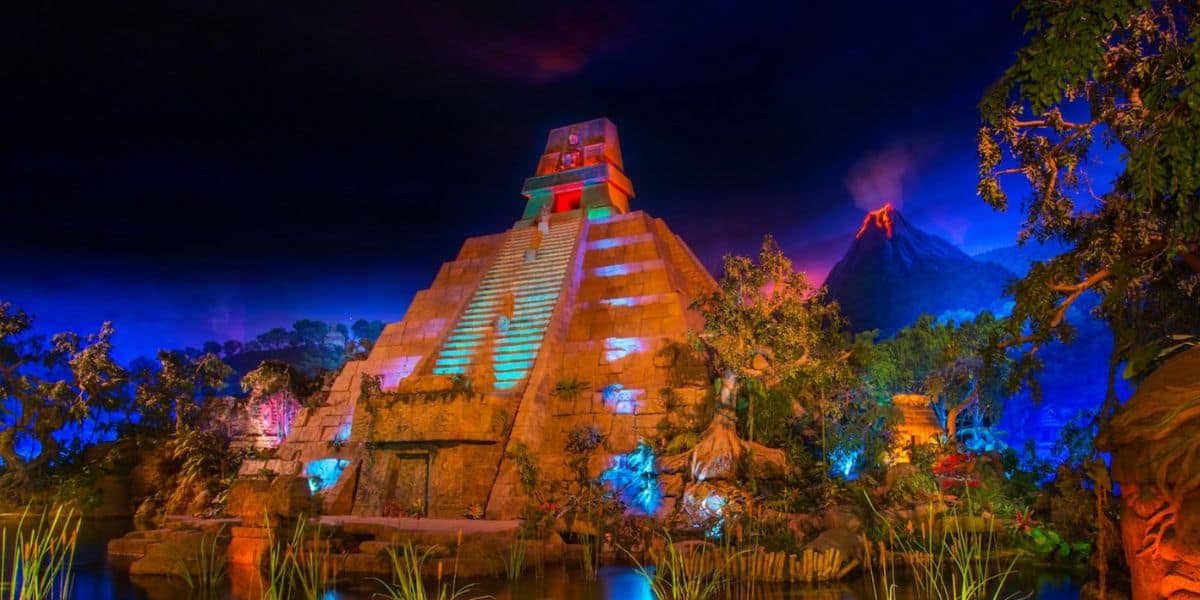
- In Mexico, the Gran Fiesta Tour relies heavily on The Three Caballeros.
- Across the park in World Discovery, the futuristic, forward-looking science exhibits of EPCOT’s original Future World have given way to Guardians of the Galaxy: Cosmic Rewind.
While these attractions are popular and technologically advanced, they alter EPCOT’s fundamental premise. Rather than using the park to broaden horizons and teach visitors about the real world, Disney has repurposed World Showcase as a promotional backdrop for its media library.
What EPCOT Loses When the Magic Is Commercialized
Walt Disney envisioned EPCOT as a place that would inspire curiosity, celebrate human achievement, and bring people together across cultural divides. It was a theme park that trusted its audience to be fascinated by an egg painter from Germany, a candy sculptor from Japan, or a wood carver from Mexico.

By replacing master craftspeople with tequila bar queues and swapping authentic cultural history for movie characters, Disney is trading a unique, inspiring legacy for short-term retail and beverage profit. World Showcase remains visually stunning, but the living, breathing ambassadors who gave it a soul are gone—leaving behind an environment that feels less like a window to the world and more like an expensive bar crawl.


SAD — $$$
I am just glad that my children were able to enjoy the authentic World Showcase ( the Norway ride with its trolls and polar bears was always a favourite as were the Japanese sugar animals) but sad that my grandchildren can’t.
Walt is likely rolling and tossing in his grave because he wanted to keep his park alcohol free and safe and friendly for children and families. However the new CeoS from EIsner and Iger on have put profits above all else, and closed some very good rides. Hollywood studios doesn’t even have one original ride left. Walt wanted the best and most innovate rides and didn’t care about upfront costs (which brother Roy had to reign him in.)