Disney’s Next President Wants AI in Your Favorite Movies

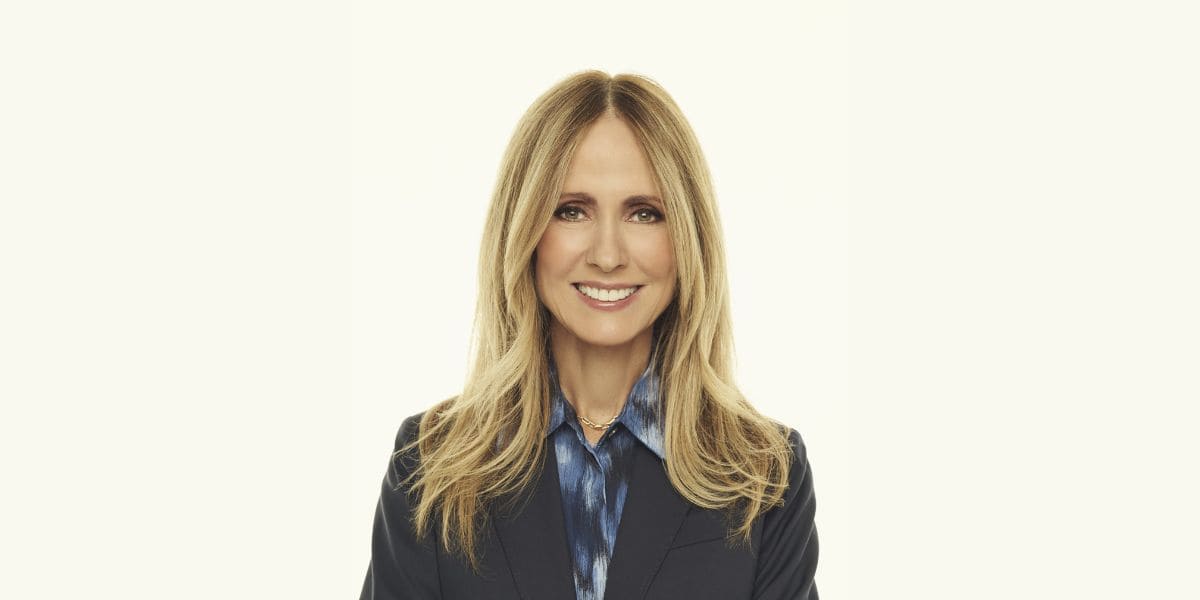
Big changes are coming to Disney, and artificial intelligence is about to play a much bigger role in how the company makes movies. Dana Walden, who’s taking over as Disney’s President and Chief Creative Officer on March 18, has made AI integration in film production one of her main goals.
James Gorman, the former Morgan Stanley CEO who chairs Disney’s board of directors, laid out Walden’s priorities when talking to Variety. While he said he’d let Walden speak for herself once she settles in, he didn’t shy away from naming what he called the obvious focus areas. AI in movie production came first, followed by improving streaming profitability and making sure great storytelling happens across every part of the company.

Gorman explained that Walden’s Chief Creative Officer role means storytelling needs to connect through merchandise, theme park experiences, and cruises, not just movies and streaming shows. He called her a great partner for incoming CEO Josh D’Amaro and reminded everyone that magical experiences remain Disney’s core purpose.
What Walden Brings to the Job
Walden currently serves as co-chairperson of Disney Entertainment alongside Alan Bergman. She’s been running streaming operations, but her new position expands her authority to cover film and TV production across the entire company. Disney hasn’t said who might take over her current Disney Entertainment role after the transition.

Her background comes from television, film, and content strategy rather than theme parks or other divisions. That entertainment focus makes sense for the AI priority since film and TV production would see the most immediate impact from new technologies.
How AI Could Change Disney’s Future Productions
The entertainment industry has been grappling with AI implications for years, as the technology could streamline processes in visual effects, animation, script development, and post-production. Visual effects teams utilize machine learning for tasks such as rotoscoping and digital compositing, while animation studios explore AI for character movements and backgrounds. Some companies experiment with AI for script analysis to identify pacing issues and predict audience reactions.
Disney, with its vast portfolio including Marvel and Pixar, stands to gain from improved efficiency, potentially leading to significant cost savings. However, the rise of AI in creative fields has prompted concerns, leading to strikes by writers and actors in 2023. The resulting agreements included protections against AI replacing human creativity. Any AI initiatives by Disney must carefully balance efficiency with the concerns of its creative workforce.
Beyond Just Making Movies
Walden’s role is unique as she combines operational leadership with creative authority, serving as both President and Chief Creative Officer of Disney. This positioning allows her to influence creative direction, franchise development, and storytelling across all divisions.
Disney integrates its franchises into various formats like films, series, and theme park experiences, making parks extensions of its larger story universe. Walden plays a key role in discussions about which franchises to expand and how to align creative strategies.
While she doesn’t oversee daily park operations or maintenance—that falls under Disney Experiences leadership—major creative decisions regarding new attractions and storytelling are guided by her vision.
The Risk Question
Disney built theme park classics like Pirates of the Caribbean, Haunted Mansion, and Jungle Cruise as original attractions that later became franchises. As Chief Creative Officer, Walden would influence whether Disney takes those creative risks anymore.
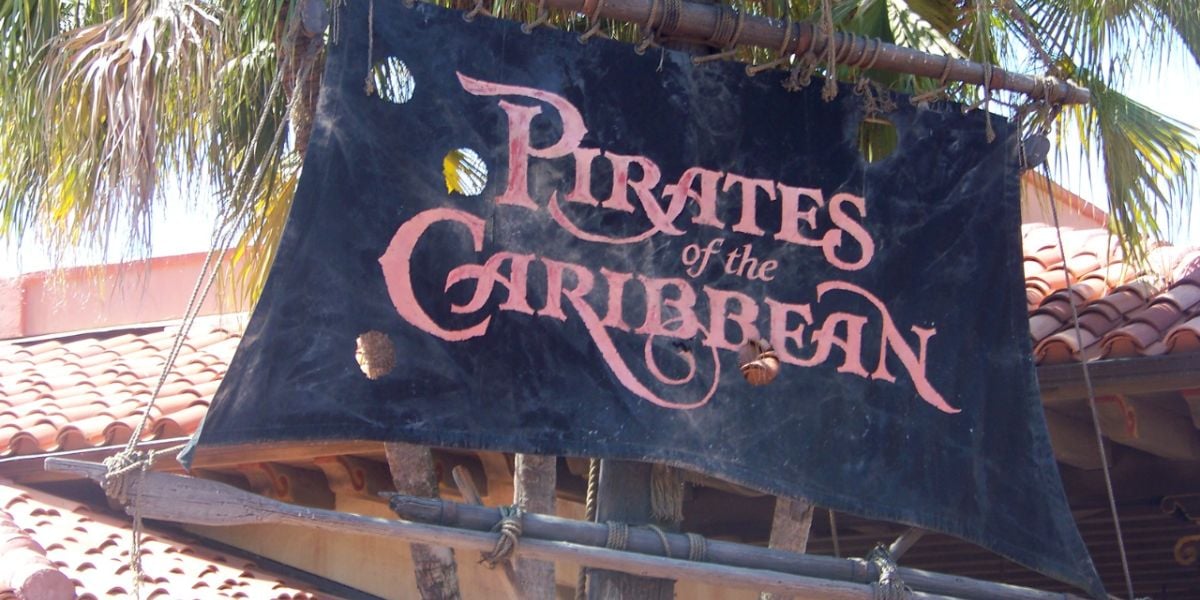
An original attraction today wouldn’t just be judged as a ride but as a potential franchise with expansion possibilities. Deciding if that risk makes sense falls in her area, even if she wouldn’t design rides or write scripts herself.
The same applies to film production and AI. The technology could help with original concept development, testing story ideas, or visualizing new worlds before spending huge budgets. But it could also push toward safe, data-driven choices over creative gambles.
What Comes Next for Disney’s Future
Walden officially begins her role on March 18, coinciding with D’Amaro becoming CEO. Disney hasn’t clarified her responsibilities or who will fill her current position. Implementing AI will take time, as Disney moves slowly with technologies affecting creativity and workforce relationships. Any AI integration must enhance human creativity and maintain Disney’s quality standards.
Another challenge is improving profitability for Disney+ and other streaming services while maintaining subscriber numbers and content quality. Technology could help boost production efficiency. Disney aims for unified creative leadership to enhance storytelling and franchise development, but it remains to be seen if this will achieve the magical experiences Gorman highlighted. March 18 marks the start of a new chapter.