Something is changing about how Walt Disney World approaches summer—and it’s becoming more obvious by the day.
For years, summer was the season Disney had to work a little harder to sell. The heat, the crowds, and the timing all pushed guests toward spring and fall instead. Discounts became the go-to strategy, and for a while, it worked.
But 2026 feels like a reset.

Instead of relying on lower prices to bring guests in, Disney is leaning into something else entirely—stacking the summer with enough new and returning experiences to drive demand on its own.
And when demand increases, so do costs.
A Different Kind of Summer Strategy
The shift starts with how Disney is timing its biggest updates.
Rather than spreading them throughout the year, the company is concentrating major reopenings and new offerings right as summer travel begins. That creates a sense of urgency for guests who don’t want to miss out.
Buzz Lightyear’s Space Ranger Spin and Big Thunder Mountain are both back in operation after updates, giving guests familiar attractions with new energy.
These aren’t small tweaks. They’re meaningful enough to draw attention—and that attention turns into higher attendance.
Family-Focused Additions Drive Demand
Disney is also leaning heavily into family entertainment this summer.
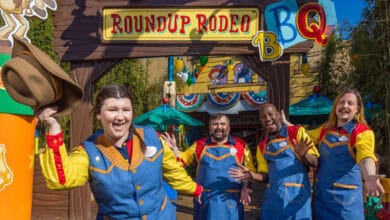
Bluey’s arrival at Animal Kingdom brings one of the most popular children’s franchises directly into the parks. For many families, that alone becomes a deciding factor when choosing travel dates.
Cool Kid Summer reinforces that push, offering a seasonal experience designed to make summer visits feel more rewarding.
When you combine those elements, you get a clear picture of Disney’s goal: bring families back into the parks during a time they’ve increasingly avoided.
Hollywood Studios Becomes a Key Player
If there’s one park to watch this summer, it’s Hollywood Studios.
Rock ’n’ Roller Coaster’s Muppets retheme is expected to draw strong interest, especially from returning guests curious to see how the attraction has changed.
Then comes the rollout of the Magic of Disney Animation area, which adds even more to the park’s lineup. Interactive experiences, a dedicated play space, and a Mickey Mouse Clubhouse show all expand what guests can do throughout the day.
That’s not just an upgrade—it’s a strategic move to increase how long guests stay and how much they spend.

Rising Demand Leads to Rising Costs
With more guests in the parks, the impact starts to show up quickly.
Longer wait times are usually the first sign. Popular attractions fill up faster, lines grow earlier in the day, and the overall pace of the parks shifts.
From there, pricing tends to follow.
Lightning Lane becomes a key factor, as more guests look for ways to avoid long waits. When demand for that system increases, pricing often adjusts to match it.
This summer has all the indicators of a surge like that.
Spending Inside the Parks Tells the Real Story
Even if Disney continues offering discounts on hotels or tickets, the real cost of a trip often comes down to what happens inside the parks.
More crowds mean more time spent navigating lines, which can lead guests to spend more on add-ons to save time. It also means more impulse purchases, more dining stops, and longer days overall.
In a summer packed with new experiences, those spending habits become even more pronounced.
Disney doesn’t need to raise every visible price to increase revenue. Sometimes, it just needs to create the right environment for guests to spend more naturally.
Why 2026 Feels Like a Turning Point
There’s a clear strategy at play this year.
Disney is no longer treating summer as a season to discount—it’s treating it as a season to build around. By aligning new attractions, refreshed rides, and entertainment offerings within the same window, the company is creating a level of demand that hasn’t been seen in recent summers.
That demand shifts everything.
It changes how guests plan their trips, how long they stay, and how much they’re willing to spend to make the most of their visit.
Planning Matters More Than Ever
For guests, this summer comes with both opportunity and risk.
On one hand, it’s one of the most exciting times to visit in years. There’s more to do, more to see, and more reasons to spend a full day in each park.
On the other hand, that excitement comes with added pressure.
Reservations may be harder to secure. Wait times could stretch longer than expected. And the cost of maximizing your time—especially through Lightning Lane—may be higher than in previous summers.
The Bottom Line
Disney World’s Summer 2026 strategy is clear: create demand first, and let pricing follow.
It’s a shift from the discount-heavy summers of the past, and it’s one that could redefine how guests think about visiting during this time of year.
For some, it will be worth every dollar.
For others, it may come as a surprise.
But one thing is certain—this isn’t the same summer Disney World has offered in recent years.
And the price of experiencing it is starting to reflect that.