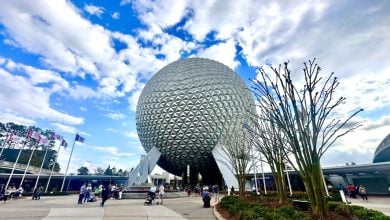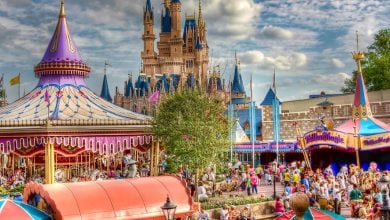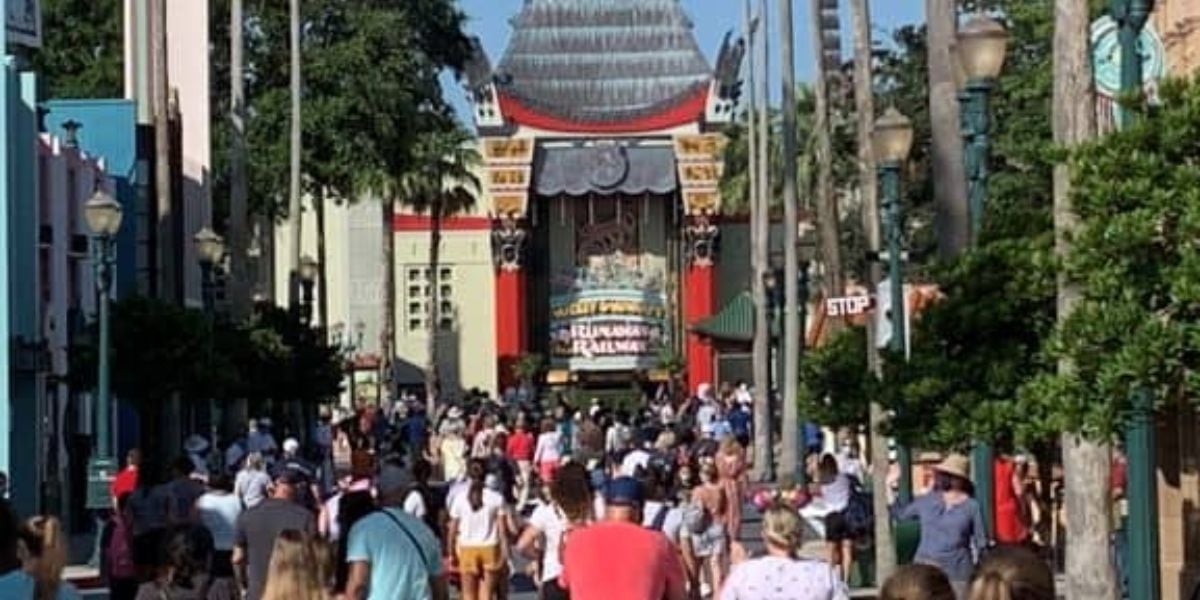
There’s busy… and then there’s what Walt Disney World has been dealing with over the past couple of weeks.
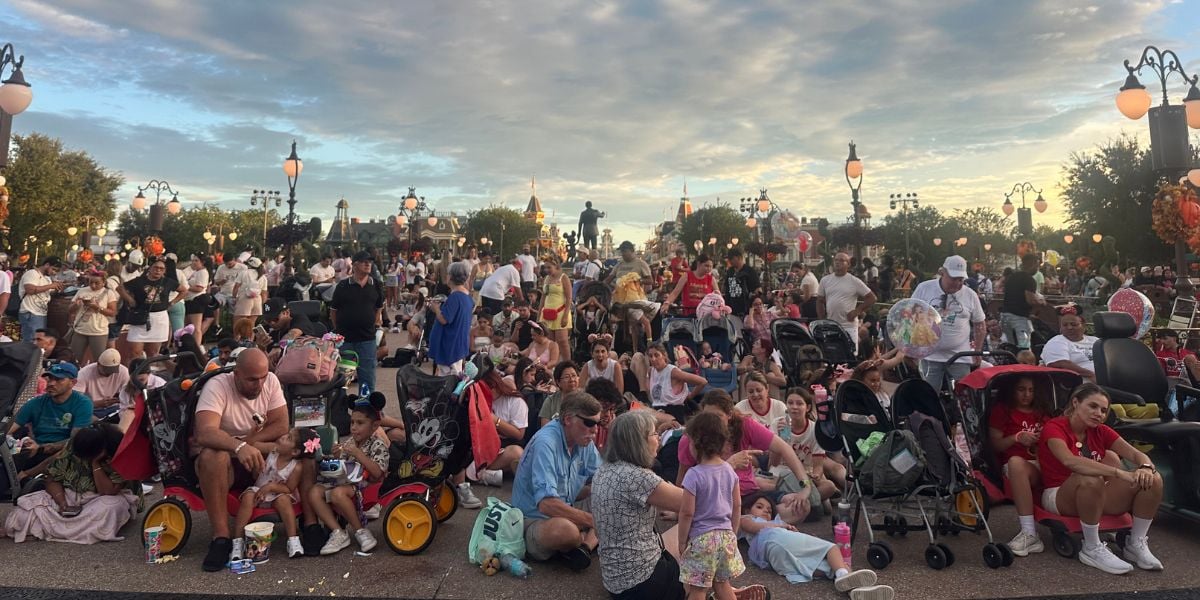
If you’ve stepped into any of the four parks recently, you’ve probably felt it immediately. Not just the usual spring break energy, but something heavier. Walkways are tighter. Lines are longer. And that sense of being able to pivot your day when things get crowded? It’s starting to disappear.
What we’re seeing right now feels less like a seasonal spike and more like a system being pushed to its limit.
Wait Times Are Reaching Extreme Levels
The biggest indicator that something has shifted is the wait times. Across all four parks, attractions aren’t just busy—they’re consistently pulling numbers that would normally be reserved for peak holidays.
At EPCOT, Guardians of the Galaxy: Cosmic Rewind has been averaging close to 100 minutes. That’s not a one-off spike—that’s the norm right now. Rise of the Resistance continues to hover in that same range at Hollywood Studios, while Slinky Dog Dash remains one of the toughest Lightning Lane reservations to secure.
Magic Kingdom isn’t offering much relief either. TRON Lightcycle / Run is pushing well over an hour on average, with Seven Dwarfs Mine Train and Space Mountain not far behind. Even attractions that typically act as “people eaters” are seeing elevated waits.
When every park has multiple rides sitting above the 60–90 minute range, it’s no longer about one crowded area—it’s the entire resort.
Fewer Rides, Bigger Problem
Part of the issue right now comes down to capacity—not just guest capacity, but ride capacity.
With Big Thunder Mountain Railroad and Buzz Lightyear’s Space Ranger Spin both closed for refurbishment, Magic Kingdom has lost two key attractions that normally help absorb crowds. That pressure doesn’t disappear—it just shifts elsewhere.
And you can see the impact. Lines that would normally feel manageable are now spilling over into walkways. Queue extensions are becoming the norm. Even mid-tier rides are pulling wait times that feel unusually high.
It’s a ripple effect, and right now, every park is feeling it.
Lightning Lane Isn’t Slowing Things Down
Lightning Lane was designed to help manage crowds, but during a surge like this, it’s doing something else entirely.
With Lightning Lane Multi Pass selections booking out earlier and earlier in the day, more guests are being pushed into standby queues. That’s one reason those standby waits are climbing so aggressively.
At the same time, Lightning Lane Premier Pass continues to sell out—even at its highest price point. That tells you demand hasn’t just increased… it’s exploding.
The result is a system where more people are competing for fewer available spots, whether they’re paying to skip the line or not.

The Signs of a Capacity Trigger
Disney doesn’t officially announce when parks are “full” the way they used to. But if you’ve been around long enough, you know the signs.
Transportation starts backing up. Mobile order return times get pushed later into the day. Finding a table, a bench, or even a quiet corner becomes a challenge. Cast Members begin directing foot traffic more carefully in high-congestion areas.
All of these are indicators that the parks are operating at or near their maximum comfortable capacity—even if the gates stay open.
And right now, those signs are everywhere.
Why This Feels Different
Spring break crowds aren’t new. But this year feels different because of how the parks are currently structured.
There are fewer low-capacity attractions to absorb guests. Demand is being driven by some of the most popular rides Disney has ever built. And the entire experience now leans heavily on advance planning.
That combination creates a situation where, when crowds spike, there’s very little flexibility left in the system.
What Guests Should Expect Right Now
If you’re heading to Walt Disney World in the near future, especially during the tail end of spring break, it’s important to adjust expectations.
This isn’t a “show up and see what happens” kind of trip. Rope drop matters. Lightning Lane selections need to be locked in early. And even with a plan, long waits are going to be part of the experience.
For some guests, that’s manageable. For others, it’s a dealbreaker.
A Resort Operating on the Edge
Disney World isn’t shutting its gates. It’s not turning guests away in large numbers. But that doesn’t mean everything is running smoothly.
Right now, the parks feel stretched. Every system—rides, dining, transportation—is being pushed to keep up with demand.
And while this surge won’t last forever, it’s a clear reminder of something many fans have been noticing for a while:
When Disney World gets busy in 2026, it doesn’t just get crowded—it hits a breaking point.