Reseller culture was once confined to limited-edition sneakers, high-demand concert tickets, and hard-to-find gaming consoles. Today, however, scalpers have expanded into a surprising new frontier: theme park admissions.
Theme park fans were recently left stunned when videos surfaced across social media showing resellers sweeping warehouse retail shelves clean of deeply discounted Disneyland ticket packages. The sight of flippers loading up shopping carts with stacks of park passes sparked intense backlash across the Disney community. Popular theme park commentator ThemeParkScout (@ThemeParkScout) voiced the collective outrage of thousands of parkgoers, tweeting: “There’s something deeply wrong with this, we shouldn’t see resellers with park tickets of all things. I’m so over this reselling ‘culture’ these people are scabs.”
As reseller networks expand beyond physical park souvenirs and into actual gate admission, everyday families are finding themselves priced out of the magic—or forced to buy tickets on secondary platforms like Facebook Marketplace from the very resellers who cleared the shelves.
X analyst Aakash Gupta (@aakashgupta) broke down the exact business mechanics behind this viral phenomenon, illustrating how a massive pricing spread at wholesale clubs created an irresistible opportunity for scalpers. Here is an in-depth look at how ticket arbitrage works, why retailers allow it, and how merchandise flipping continues to disrupt the guest experience at Disney Parks.
The Great Costco Ticket Arbitrage: How Flippers Cleared the Shelves
The recent controversy erupted after the wholesale giant Costco placed a deeply discounted Disneyland ticket bundle on its physical warehouse shelves.
As Aakash Gupta explained, Disney guards its official gate pricing with extreme discipline to maintain brand prestige and pricing power. To offer promotional discounts without lowering its posted headline numbers on official channels, Disney routes special packages through third-party retail partners like Costco. However, when Costco stocked a physical ticket bundle valued at $563 for just $329.99, scalpers immediately recognized an unprecedented arbitrage window.
The Math Behind the $233 Spread
Breaking down the numbers on the Costco bundle reveals why resellers rushed the warehouse aisles before families even had a chance to browse:
- 2-Day Park Hopper Ticket: Retails for $445 on Disney’s official website.
- Lightning Lane Multi Pass: Valued at approximately $68.
- Disney Dining Credit: Includes $60 in park food and beverage vouchers.
- Total Package Value: $563.
- Costco Shelf Price: $329.99.
This created a staggering $233 price spread, openly displayed on a physical retail shelf. Unlike online ticket drops or sneaker releases that require complex buying bots or digital queue systems, acquiring these physical cards required no technical skill—just a $65 Costco membership and the willingness to grab cards off the rack by the armful.
Gupta pointed out the lucrative math for flippers: a reseller could list these ticket bundles online for $463, undercutting Disney’s official gate price by $100 while still clearing $133 in net profit per card. Loading just 20 cards into a shopping cart yielded $2,600 in profit for roughly ten minutes of standing in a warehouse aisle.
Why Retailers Allow the Rush
For wholesale giants like Costco, reseller buyouts are not seen as an operational failure—they are a deliberate element of the business model.
Gupta compared the ticket feeding frenzy to Costco’s sales of physical gold bars. Wells Fargo estimated that Costco was moving up to $200 million a month in gold bars priced so close to spot value that flippers bought them by the case. The low-margin, high-value items sell out instantly, driving record membership renewals and constant foot traffic.
Empty shelves generate viral social media attention, providing unpaid marketing for Costco’s $65 annual membership fee. The ultimate victims of this strategy, however, are everyday families. Parents seeking an affordable weekend trip to Disneyland find empty store racks, leaving them with little choice but to buy marked-up passes on peer-to-peer marketplaces from the very resellers who filmed themselves clearing the store.
From Tickets to Popcorn Buckets: The Merchandise Reselling Crisis Inside the Parks
While reselling park tickets represents a new frontier for scalpers, sweeping physical merchandise inside Disney Parks has been a persistent issue for years.
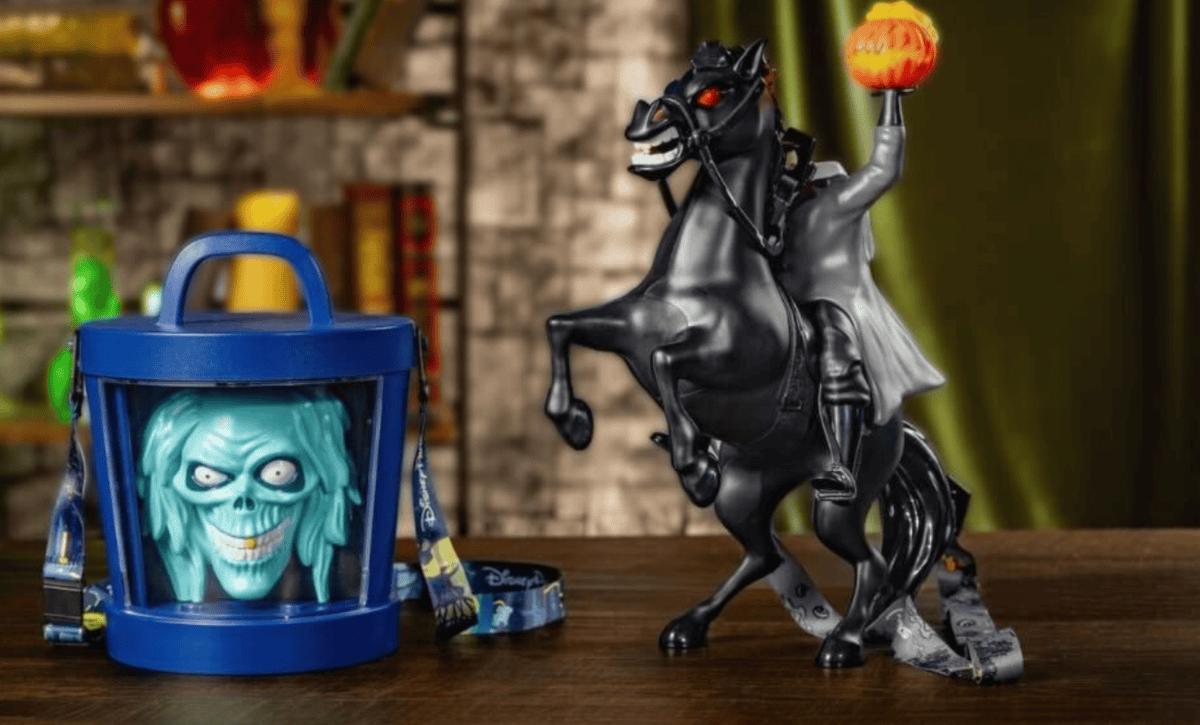
Theme park resellers—often referred to by fans as “Disney eBayers”—frequently target limited-edition merchandise drops across Disneyland Resort and Walt Disney World. From specialized novelty popcorn buckets and seasonal Starbucks tumblers to limited-release Minnie Mouse ear headbands and collectible pins, exclusive park items can command massive markups on resale platforms like eBay and Mercari.
The Anatomy of a Park Sweep
Merchandise resellers often operate with systematic, team-based efficiency inside the gates:
- Rope-Drop Tactics: Resellers secure early park entry or line up hours before the park officially opens to be the first guests inside flagship retail locations like World of Disney or the Emporium.
- Bypassing Purchase Limits: Despite Disney implementing per-item purchase limits (typically two to four identical items per transaction), teams of resellers or entire families work together, making multiple transactions to clear display shelves within minutes.
- Instant On-Site Listings: Resellers frequently photograph items directly inside the park—resting them on park benches, trash cans, or inside strollers—and list them online as “IN HAND” before even leaving the property.
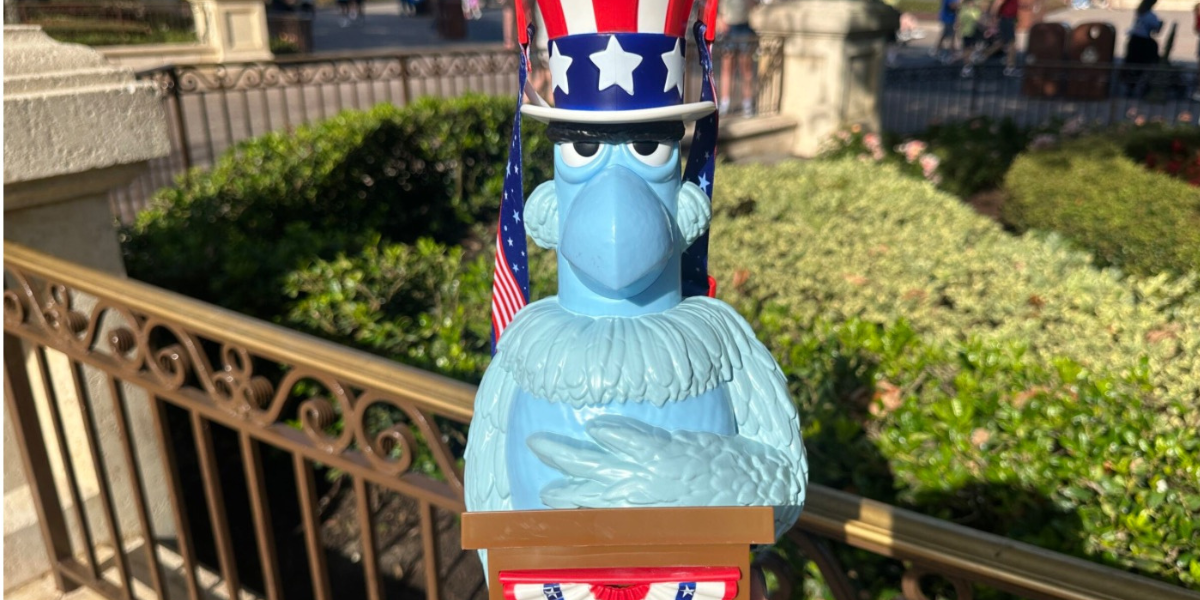
High-profile examples include the release of the EPCOT Figment Popcorn Bucket, where standby lines exceeded 7 hours, and resellers walked away with bags full of buckets that immediately appeared online for hundreds of dollars. Similar feeding frenzies occur during seasonal events for Haunted Mansion collectibles, Oogie Boogie souvenir buckets, and designer Loungefly backpacks.
For average guests who saved for months to take their children on vacation, walking into a shop only to find bare shelves and resellers pushing duffel bags full of souvenirs can significantly dampen the magic.
The Future of Theme Park Ticketing and Reselling
The transition from flipping physical souvenirs to reselling actual park admission highlights a growing conflict between corporate sales distribution and consumer fairness.
As fan frustration reaches a boiling point, pressure is mounting on theme park operators and partner retailers to close resale loopholes. While Disney utilizes biometric finger scans and photo identification at park turnstiles to prevent multi-day ticket transfers after their first use, unlinked promotional cards purchased at retail remain vulnerable to initial resale.
Until stricter purchase caps, digital identity linking at the point of sale, or non-transferable purchasing rules are enforced by retailers, arbitrage will continue to bridge the gap between wholesale discounts and official gate prices—leaving everyday families to pay the price.