Seven years after Disney+ launched with a masked bounty hunter and an instantly marketable green alien at its center, Lucasfilm is preparing to close the book on one of the most significant eras in Star Wars history. Next week, the studio officially ends the franchise’s long stretch of Disney+ exclusivity, ushering Star Wars back into theaters in a major way with The Mandalorian and Grogu (2026).

When The Mandalorian premiered in November 2019, the stakes for both Lucasfilm and Disney were unusually high. The sequel trilogy had divided audiences, streaming competition was escalating, and Disney+ needed a flagship title capable of convincing subscribers that the service was essential viewing. Jon Favreau’s Star Wars series accomplished all of that almost immediately.
Pedro Pascal’s Din Djarin became one of the franchise’s defining modern characters despite rarely removing his helmet, while Grogu — quickly dubbed “Baby Yoda” by fans online — transformed into a cultural sensation that reached far beyond traditional Star Wars audiences. The series was more than a successful television experiment; it became the foundation for Disney’s entire streaming strategy.
Now, however, Lucasfilm is taking the franchise in a very different direction.
Rather than continuing with a fourth season of The Mandalorian, the studio has shifted its attention toward a theatrical feature, The Mandalorian and Grogu, arriving May 22, 2026. The decision represents a major change in how Star Wars will be developed moving forward, particularly after years spent building interconnected Disney+ storytelling around Din Djarin’s corner of the galaxy.
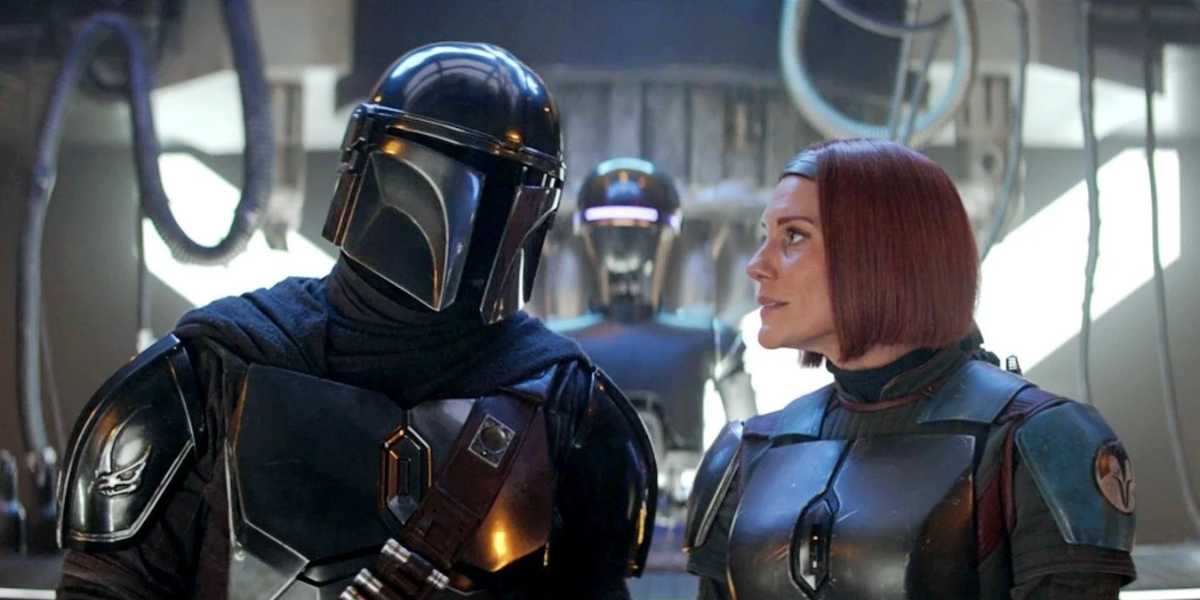
According to comments from Favreau, Season 4 had already progressed significantly before the pivot occurred. Scripts had reportedly been completed, and those stories would have expanded connections to the wider Mando-Verse, including Grand Admiral Thrawn, played by Lars Mikkelsen, and plotlines linked closely to Ahsoka Season 2.
But translating that serialized structure into a feature film proved more complicated than simply condensing episodes into two hours. A streaming series can rely on long-term investment and familiarity with multiple companion shows. A theatrical release has to appeal to casual audiences as well as longtime fans. That distinction forced Lucasfilm to rethink the project entirely.
Instead of continuing dense crossover storytelling, the studio reportedly rebuilt the film from scratch to make it accessible for moviegoers who may never have watched the Disney+ series. In practical terms, that means reducing direct ties to other streaming narratives and repositioning Din Djarin and Grogu as the gateway into a broader cinematic future.

At the same time, Lucasfilm is not abandoning television altogether. Dave Filoni recently confirmed that Ahsoka Season 2 is currently in post-production, while hinting that additional seasons could still happen.
“You never know. Everything works as planned, and I know where the story goes and where it should tie up,” Filoni told Screen Rant. Even so, the broader trajectory is becoming increasingly clear. Star Wars is moving away from its streaming-heavy identity and placing renewed emphasis on theatrical storytelling.
That shift carries enormous implications because Disney+ became the primary home of Star Wars for most of the last decade. Beginning with The Mandalorian in 2019, Lucasfilm rapidly expanded the franchise across streaming with The Book of Boba Fett, Obi-Wan Kenobi, Andor, Ahsoka, The Acolyte, and Skeleton Crew. Animated projects also flourished, including The Bad Batch, Visions, the Tales anthology series, and the recently released Maul: Shadow Lord.

Collectively, those projects created an unprecedented amount of Star Wars content. Characters, factions, timelines, and crossover arcs stretched across multiple series in a way Lucasfilm had never attempted before. The studio effectively built an entire television ecosystem designed to keep fans engaged year-round.
The Mandalorian and Grogu now represents a departure from that model.
Disney and Lucasfilm are also approaching the movie carefully from a financial standpoint. The film reportedly carries a production budget of roughly $166 million, substantially below the cost of many recent franchise blockbusters and noticeably less than several previous Star Wars theatrical productions.
That figure appears intentional. Rather than committing immediately to another wave of massive cinematic spending, Disney seems to be evaluating whether audiences trained to consume Star Wars from home are willing to return to theaters for these characters.
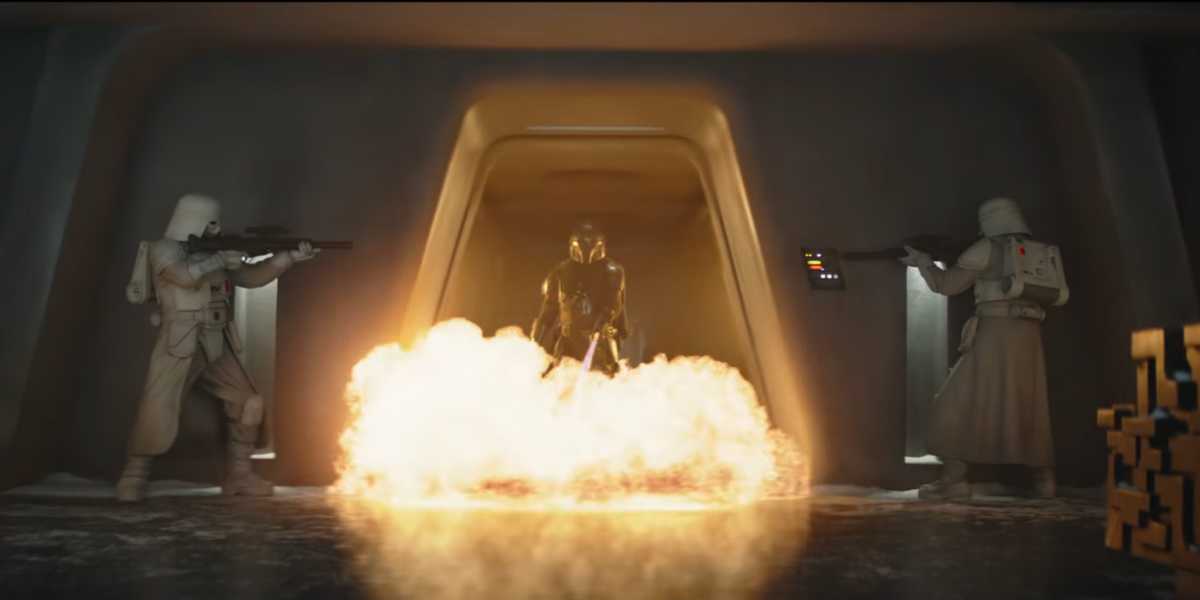
Industry tracking has reportedly been softer than some analysts anticipated, underscoring the uncertainty surrounding the transition. After years of episodic streaming releases, convincing viewers to experience Star Wars theatrically again may require more than nostalgia alone.
Still, Lucasfilm is clearly attempting to position the film as a major event. Alongside Pascal, the cast includes Sigourney Weaver as Colonel Ward, Jeremy Allen White as Rotta the Hutt, and Steve Blum returning as Zeb.
The involvement of high-profile additions signals that the studio sees this movie as more than an extended television episode. Instead, it is being framed as the opening chapter of Star Wars’ next phase.
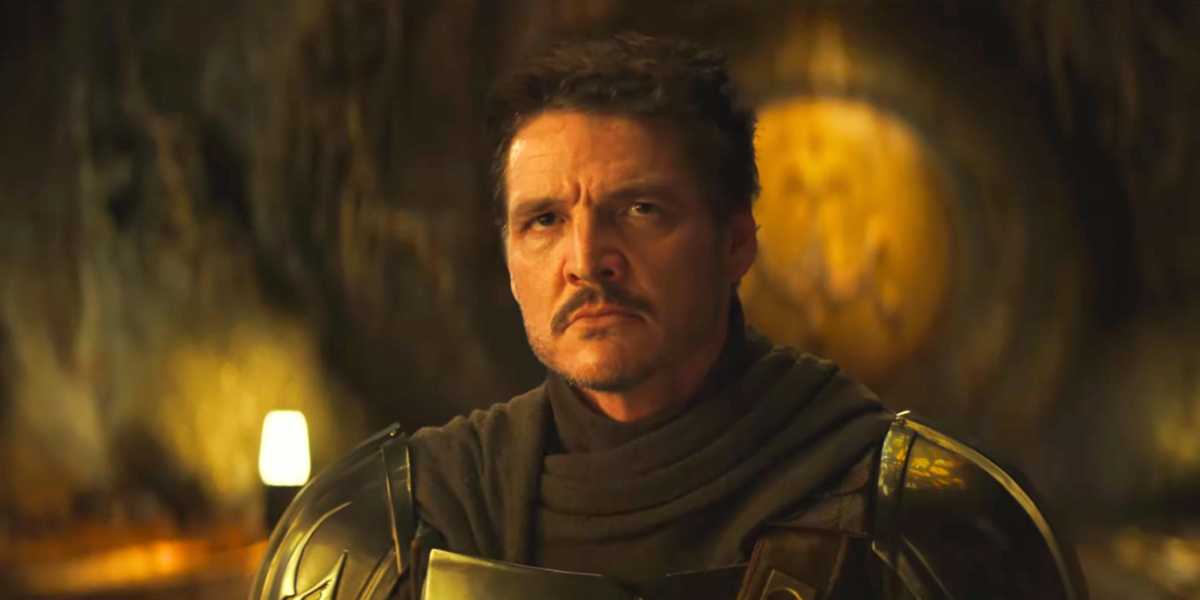
Pascal himself appears eager to continue carrying the franchise forward. Speaking about Din Djarin’s lasting importance to him, the actor reflected on his long-running connection to the role.
“I’m completely grateful. It’s the longest creative relationship I’ve had, it’s the character that I’ve played the longest,” Pascal said. “Hopefully, I get to continue playing him for as long as my body, or as many bodies as we put into the suit, can take it.”
That enthusiasm is significant given Pascal’s increasingly packed schedule. Between The Last of Us and multiple major film projects, the actor has become one of Hollywood’s busiest performers. Yet Din Djarin remains closely tied to his rise as a leading franchise star.

The larger question now concerns the future of the Mando-Verse itself. Characters introduced throughout Disney+ remain scattered across multiple unfinished storylines, and Lucasfilm has not clarified how many of those arcs will continue theatrically or remain exclusive to streaming.
What happens next could shape the future of Star Wars for years. If The Mandalorian and Grogu succeeds financially, it may accelerate Disney’s return to large-scale theatrical production. If audiences fail to follow the franchise back to multiplexes, Lucasfilm could face difficult questions about how Star Wars should evolve in an increasingly fragmented entertainment landscape.
For now, one thing is certain: the Disney+ era that began with The Mandalorian is nearing its conclusion.
The Mandalorian and Grogu opens in theaters on May 22, 2026, followed by Star Wars: Starfighter in 2027. Which are you most looking forward to?