

Will Disney Finally Unlock ‘Song of the South’? Why Fans Think a Disney+ Release is Possible Post-Bob Iger

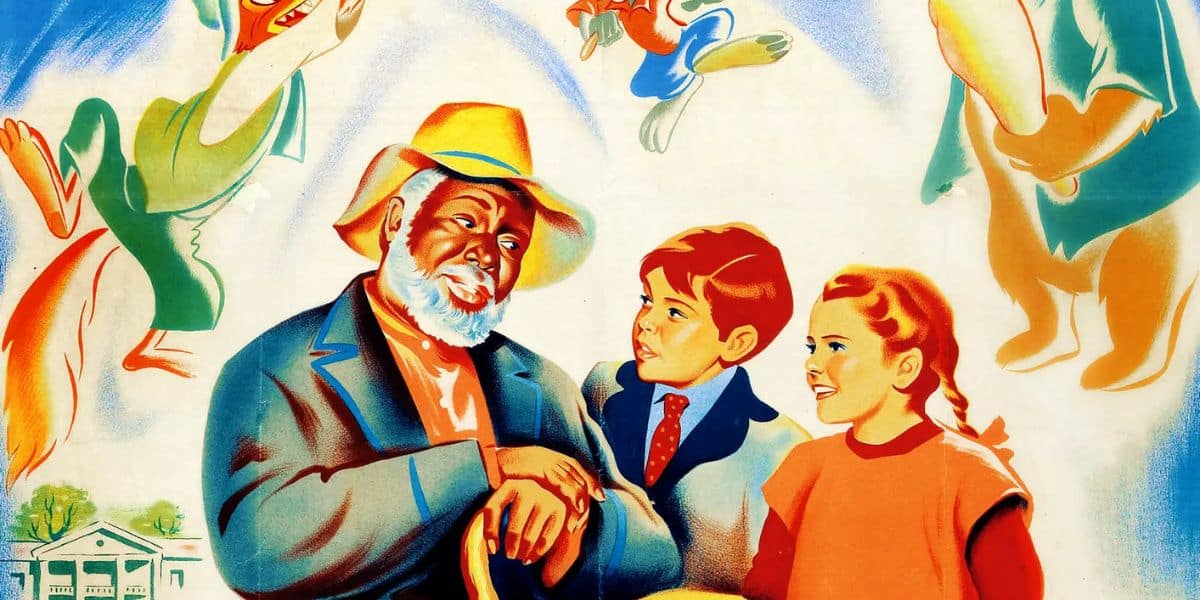
For generations of film historians, Disney enthusiasts, and cinema preservationists, one title has remained the ultimate forbidden fruit of the entertainment industry. Song of the South, the 1946 musical that blended live-action actors with animated characters, is arguably the most fiercely guarded piece of media in American history. It has not seen a commercial release in the United States in any format since 1986, having been entirely erased from the corporate ecosystem due to its idealized yet deeply problematic depiction of the Reconstruction-era American South.

For nearly two decades, the mandate protecting the film’s permanent exile came directly from the highest office in the company. But with Bob Iger having officially wrapped up his historic tenure as CEO, the Disney community is suddenly looking toward the future with renewed curiosity.
On social media, a fascinating debate has reignited. For the first time in twenty years, some fans are starting to wonder: could a post-Iger Disney finally bring Song of the South to Disney+?
The Social Media Spark: Preservation Over Censorship
The renewed conversation surrounding the controversial classic wasn’t sparked by a corporate leak but by viral discussions within online film and theme park communities. A series of widely shared posts has completely re-centered the conversation on how media companies should handle their complicated, uncomfortable history.
One prominent perspective gaining traction online highlights the corporate shift. The argument posits that the primary roadblock to the film being fully released was Bob Iger’s intense personal focus on maintaining an immaculate, controversy-free brand image. With a new leadership regime steering the company, some fans speculate that incoming executives might take a more pragmatic approach to the Disney Vault—potentially utilizing the film to satisfy film historians and boost niche streaming engagement.
Another highly discussed viewpoint centers on the philosophy of film preservation. Rather than continuing to pretend the movie never existed, preservation advocates argue that burying the film actually does more harm than good. They suggest that the most responsible path forward is transparency: releasing the film on streaming platforms, but strictly pairing it with robust, unskippable educational content that explains exactly why the movie’s racial stereotypes are offensive.
Inside Bob Iger’s Personal Veto
To understand why fans are suddenly shifting their expectations, it is vital to recognize just how personally responsible Bob Iger was for the total suppression of Song of the South.
According to historical industry reports, Disney was actually on the verge of releasing the film on home video in the mid-2000s. Ahead of the movie’s 60th anniversary in 2006, internal teams had conceptualized a special edition DVD release. The planned project wasn’t meant to ignore the controversy; instead, it was designed as an educational tool, featuring expert round-table discussions, historical context, and a deep dive into the history of race relations in post-Civil War America.
However, when Iger officially took the reins of the company from Michael Eisner, he personally intervened and killed the DVD project outright. Iger firmly believed that any release of the film—no matter how educational the framing—would trigger an immediate public relations disaster that could damage the family-friendly Disney global brand.
Iger never wavered on this stance. Throughout his two decades of leadership, he repeatedly addressed shareholders and the media on the subject, consistently doubling down on his decision:
| Year | Bob Iger’s Public Stance on Song of the South |
|---|---|
| 2010 | Stated at a shareholder meeting that the film was “antiquated” and “fairly offensive,” confirming there were no plans for a release. |
| 2020 | Confirmed ahead of the launch of Disney+ that the film was “not appropriate in today’s world” and would never find a home on the streaming service. |
With Iger now out of the executive chair, the ironclad corporate policy he maintained for twenty years is suddenly facing its first real test.
The Complicated Cultural Footprint
The reason Song of the South remains such a lightning rod for debate is that its painful racial stereotypes are inextricably woven into major milestones of Disney’s creative history.

Based on the Uncle Remus folklore compiled by Joel Chandler Harris, the film has faced intense criticism from civil rights organizations since its initial premiere in 1946. The film stands heavily condemned for its whitewashed, harmonious portrayal of a Georgia plantation, where former slaves are depicted as blissfully happy to work for their former masters.
Yet, completely erasing the film also removes several massive cultural achievements:
- James Baskett’s Historic Oscar: The film’s lead actor, James Baskett, delivered a deeply moving performance as Uncle Remus, earning him an Honorary Academy Award in 1948. He was the very first Black male actor to receive an Oscar. By burying the movie, Disney has effectively buried his historic accomplishment.
- An Unforgettable Soundtrack: The film gave the world “Zip-a-Dee-Doo-Dah,” which won the Academy Award for Best Original Song and served as a musical anthem for The Walt Disney Company for more than half a century.
- The Splash Mountain Legacy: For decades, the film’s animated characters—Br’er Rabbit, Br’er Fox, and Br’er Bear—anchored Splash Mountain, one of the most beloved log flume rides in theme park history.
The Streaming Precedent: The “Stories Matter” Model
Those pushing for a streaming release point out that Disney+ already has a highly functional blueprint for handling racially insensitive legacy content.

Subscribers who tune into older classics like Dumbo, Peter Pan, The Aristocats, or The Jungle Book are automatically met with a mandatory 12-second content warning developed by Disney’s “Stories Matter” advisory council. The disclaimer explicitly states that rather than removing the content, Disney chooses to acknowledge its harmful impact, spark conversation, and learn from the past to build a more inclusive future.
Fans argue that if this is truly the company’s official stance, keeping Song of the South completely locked away directly contradicts its stated streaming philosophy. Warner Bros. successfully navigated a nearly identical issue with Gone with the Wind on Max, keeping the film available but adding a scholarly video introduction by TCM host Jacqueline Stewart to provide crucial historical context.
The Corporate Reality Check
Despite the wave of optimism sweeping through corners of the Disney fandom, the practical reality of a Song of the South streaming release remains incredibly low.
While Bob Iger may have been the original architect of the ban, the corporate machine has spent the last several years aggressively scrubbing the film’s IP from existence. The company spent hundreds of millions of dollars to permanently close Splash Mountain at both Disneyland and Walt Disney World, retheming the rides into Tiana’s Bayou Adventure to move past the controversy. To willingly re-release the film on Disney+ now would completely undermine that massive, highly publicized rebranding effort.
Furthermore, any executive team steering Disney in the post-Iger era will have its hands full managing streaming profitability, park expansions, and theatrical box office recoveries. Intentionally inviting a massive cultural and political firestorm by unlocking the company’s most controversial asset is a risk very few corporate boards would be willing to take.

The absolute corporate lock on the film may have loosened slightly with Iger’s departure, but the key to the Disney Vault remains buried incredibly deep.





Not offensive to anyone
I’ve recently seen the film online and I think it’s the most wonderful movie that Walt had ever produced. It won an Academy award for best original song “Zip a Dee do Dah” and it co-starred Hattie McDaniel from “Gone with the Wind”. I see no reason why Disney should keep this beloved film locked up in the Disney Vault like a prisoner in a dungeon. This is just one of Disney’s major mistakes of giving in to Woke Ideology and Leftist Politics. It is our job as loyal Disney fans to both write and email the new CEO Josh D’Amaro and CCO Dana Walden to demand that they release Song of the South on both Disney + and DVD before it disappears forever.