For decades, Woody has been one of Pixar’s most recognizable characters. Ever since audiences first met the pull-string cowboy in Toy Story (1995), he has represented loyalty, leadership, and the emotional center of the franchise. Even as the series evolved through sequels, heartbreak, and changing owners, Woody always remained… well, Woody.
That is exactly why Pixar’s newest changes are catching so many fans off guard.
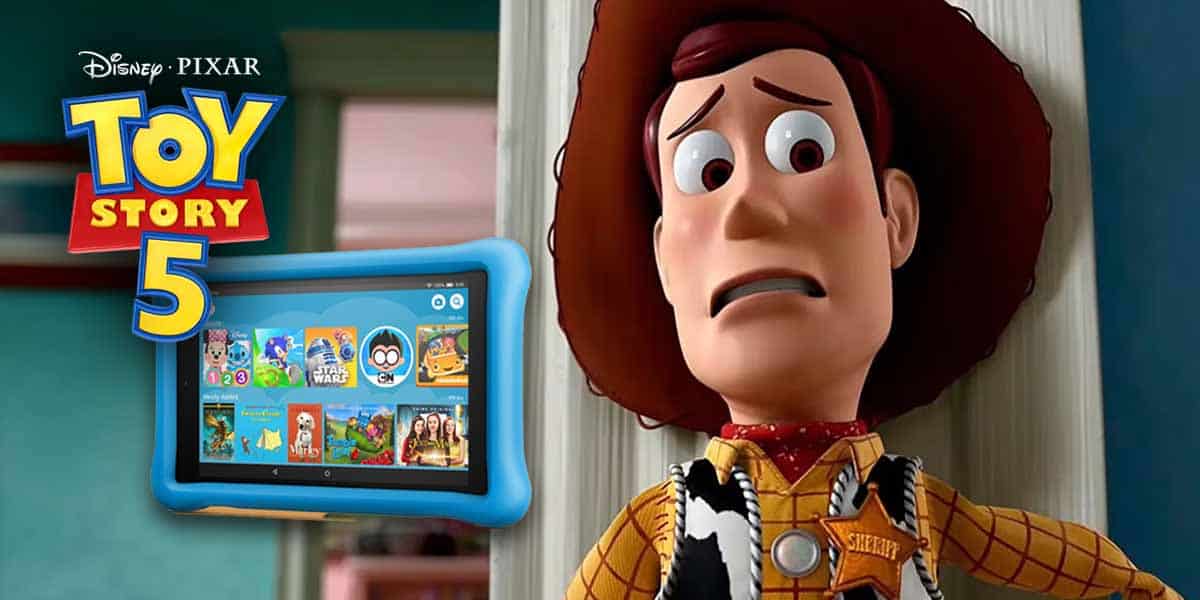
As Disney prepares to release Toy Story 5 (2026) on June 19, the studio has officially confirmed that Woody will look and feel noticeably different this time around. And honestly, the updates go far beyond a simple costume redesign.
The character is older now.
Not emotionally older. Physically older.
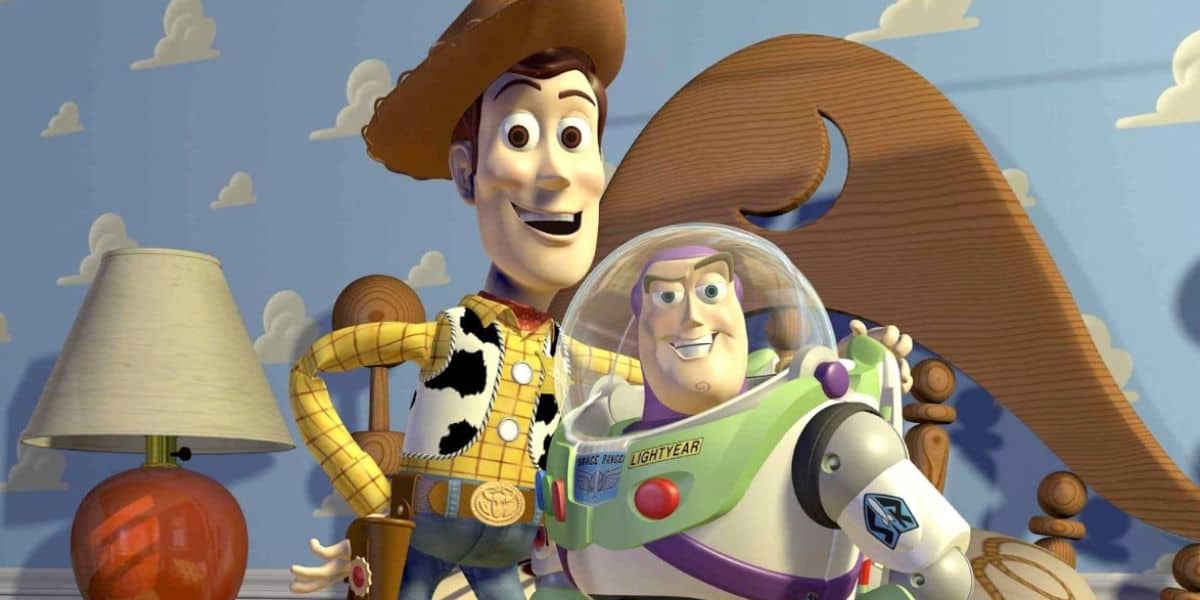
Pixar revealed that Woody now has a bald spot hidden underneath his hat, a slightly heavier appearance, and a more worn-down overall look. He also wears a red poncho in portions of the film, giving him a noticeably different visual identity compared to earlier movies.
It is easily one of the boldest character redesigns Pixar has attempted with a legacy franchise.
Pixar Is Finally Letting Woody Age
One of the most interesting parts of the redesign is why Pixar decided to make the change.
Director Andrew Stanton explained that Woody’s appearance reflects his new life after the events of Toy Story 4 (2019). Instead of constantly trying to protect one child or lead a toy room, Woody has been living freely without the same pressure or responsibility.
According to Stanton, Woody is no longer obsessing over being “perfect.”
That freedom has physically changed him.
Pixar even confirmed the bald spot symbolizes the wear and tear Woody has experienced over the years. The creative team reportedly brainstormed multiple “older toy” concepts before settling on the final design audiences will see in theaters.
At one point, filmmakers even considered making Woody appear heavily sun-bleached from spending so much time outdoors.
That level of detail shows Pixar is taking the aging aspect seriously rather than simply using it as a joke.
And honestly, it makes sense for where the franchise is now.
The original Toy Story audience has grown older. Many fans who watched Woody and Buzz in theaters during the 1990s are now adults with children of their own. Pixar appears to be embracing that reality instead of pretending the franchise can stay frozen in time forever.
Technology Has Become the New Threat
But Woody’s appearance is only part of the bigger shift happening in Toy Story 5.
The film is also pulling the franchise directly into the modern tech era.
Bonnie is now older, and like many kids today, she spends much more time using devices, online games, and group chats. That change introduces Lilypad, a tablet-inspired character voiced by Greta Lee.
At first glance, Lilypad sounds like the movie’s villain.
However, Pixar says things are far more complicated than that.
The toys view Lilypad as a threat because she represents a new kind of entertainment competing for children’s attention. But the filmmakers repeatedly stressed that the movie is not trying to frame technology itself as evil.
That nuance feels important.
Disney and Pixar clearly understand modern audiences are tired of simplistic “phones bad” messaging. Instead, the film seems focused on the complicated reality that technology is now part of everyday childhood.

That creates a much more interesting conflict than simply introducing another evil toy.
Disney Needs a Major Pixar Win
There is also a larger reason these changes matter so much.
Disney desperately needs Pixar to feel culturally dominant again.
While the studio still has enormous goodwill, recent years have been uneven. Some Pixar films struggled theatrically, while others became trapped in the streaming era when Disney prioritized Disney+ releases over big theatrical moments.
But Toy Story remains Pixar’s safest franchise.
That means Toy Story 5 carries enormous expectations.
Rather than simply recycling nostalgia, Disney appears determined to make the movie feel meaningful, emotional, and modern. Aging Woody, confronting technology, and shifting focus toward deeper themes all suggest Pixar is trying to evolve the series instead of endlessly repeating itself.
Honestly, that may be the smartest decision the studio could make.
Jessie Is Also Becoming More Important
Another major shift involves Jessie.
For years, many fans believed Jessie deserved a larger leadership role within the franchise. This movie finally appears ready to make that happen.
Pixar has confirmed Jessie will be far more central to the story this time around. In many ways, she may even become the emotional heart of the film while Woody deals with his own identity changes.
The movie revisits Jessie’s past in emotional ways as she returns to her old home and confronts memories connected to Emily, the child who abandoned her years earlier.
That storyline alone sounds like classic Pixar emotional storytelling.
And it could end up being one of the movie’s strongest elements.
Pixar Is Pushing Its Animation Further Than Ever
The visual side of Toy Story 5 also sounds incredibly ambitious.
Pixar reportedly created sequences involving dozens of Buzz Lightyear figures emerging from a lake in a scene inspired by Apocalypse Now (1979). The film also introduces significant new rendering technology for hair, lighting, and digital displays.
One of the biggest technical advancements reportedly came through Blaze, a new character with highly detailed textured curls. Pixar developed new animation systems specifically to make her hair move more naturally and realistically.
That technology will likely influence future Pixar projects long after Toy Story 5 leaves theaters.
And honestly, it reinforces the feeling that Disney is treating this movie like a massive event release instead of just another sequel.
The Pressure Is On
Whether fans wanted another Toy Story sequel or not, one thing is becoming clear: Pixar is not playing it safe.
The studio could have easily delivered a nostalgic reunion filled with familiar jokes and recycled emotional beats. Instead, the filmmakers are introducing aging, abandonment, technological anxiety, and identity changes into one of Disney’s most beloved franchises.
That is a huge gamble.
But if it works, Toy Story 5 may end up feeling far more necessary than many fans originally expected.