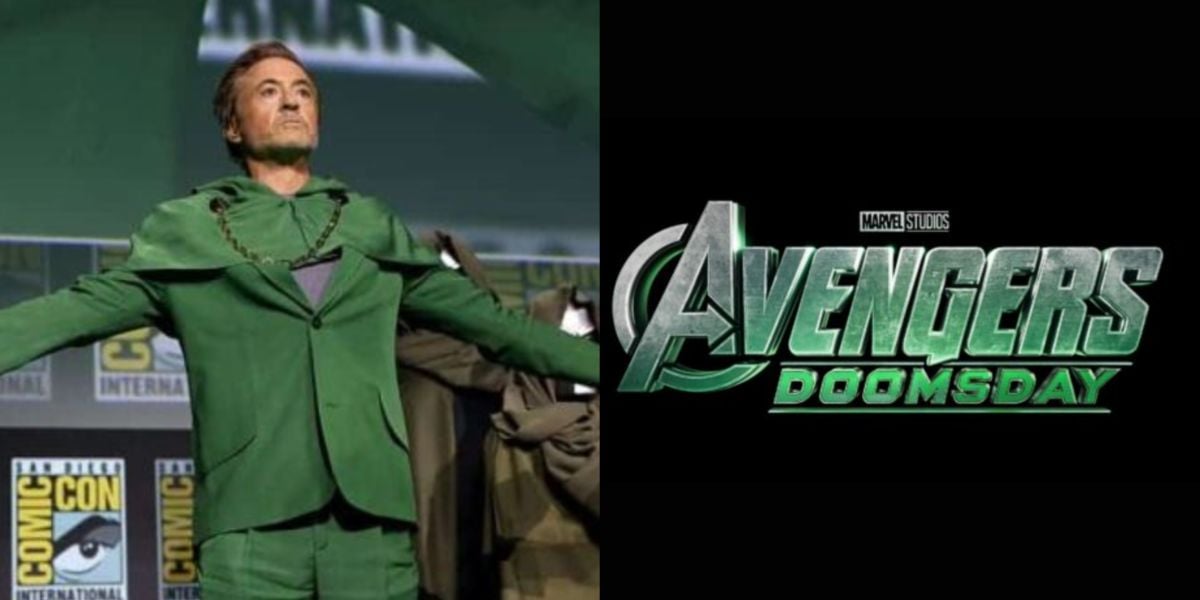
Disney Changes Course on Robert Downey Jr. Ahead of ‘Avengers: Doomsday’ (2026)

When Robert Downey Jr. closed the chapter on Tony Stark in Avengers: Endgame (2019), it felt definitive. His death wasn’t just the end of a character, it was the emotional endpoint of the Marvel Cinematic Universe’s first era. For years, Marvel insisted that Stark’s story was finished.
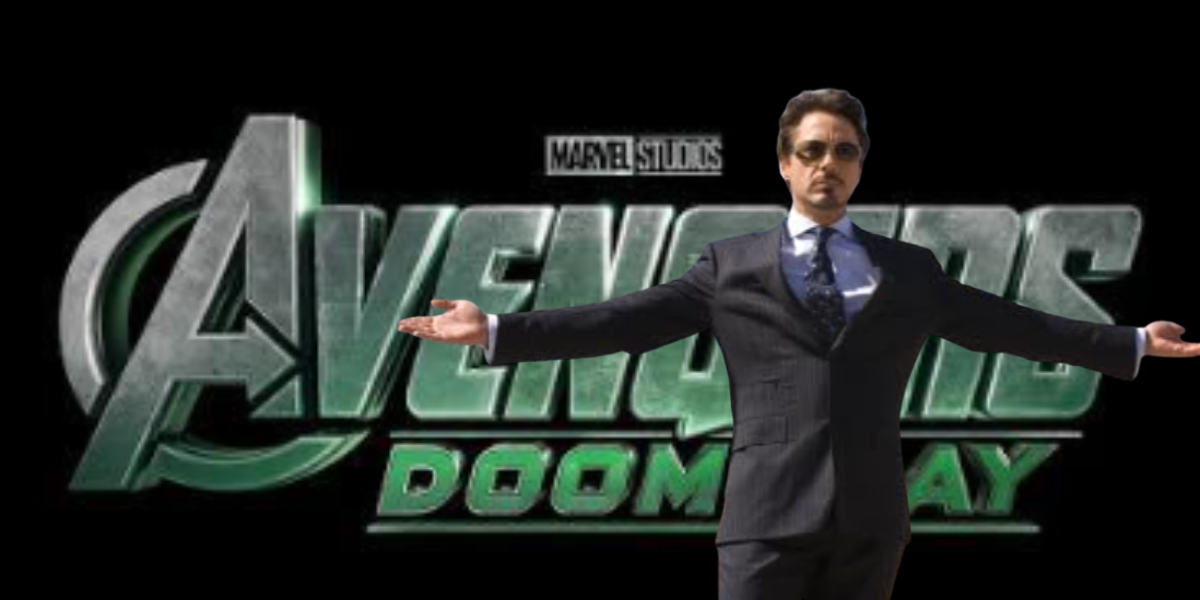
That’s why Downey’s confirmed return in Avengers: Doomsday (2026) immediately raised questions. Not because he was coming back, but because he was coming back as someone else.

Now, according to new reports, Disney and Marvel Studios may be quietly reworking their original plan for Downey’s new MCU role, altering Doctor Doom’s backstory in ways that could significantly change the tone of the next Avengers saga.
Rather than simply reintroducing Downey as a classic comic-book villain, Marvel appears to be reshaping Doom into a character whose origin is tightly connected to the Avengers themselves.
A Shift in Direction for a High-Profile Return
When Marvel cast Downey as Victor von Doom, many assumed the studio would lean into Doom’s traditional comic roots: a brilliant scientist, ruler of Latveria, and lifelong rival to Reed Richards.
Instead, recent reports suggest Marvel has opted for a different approach.
This version of Doom is said to be introduced not primarily as a rival to the Fantastic Four, but as a man whose life is destroyed by a single tragic event. According to the report, Doom will have a wife and a young son who die in the same accident that leaves him physically scarred.
That choice fundamentally changes how audiences are meant to see the character.
Rather than a villain driven first by ego and ambition, Doom becomes a man driven by grief. His pursuit of power becomes a reaction to loss rather than a quest for dominance.
For Disney, this represents a clear shift toward emotional storytelling, even for its major antagonists.
Rewriting the Consequences of Endgame
Perhaps the most significant reported change is who Doom holds responsible for his tragedy.
Instead of blaming Reed Richards, Doom is said to trace the chain of events back to Steve Rogers and the time travel in Avengers: Endgame (2019). The implication is that Captain America’s decision to alter the timeline created the circumstances that led to Doom’s family being killed.
This reframes the entire conflict of Avengers: Doomsday (2026).
Rather than a new villain arriving from outside the Avengers’ story, Doom becomes a product of their past choices. The film would then explore not just a new threat, but the unintended consequences of the Avengers’ greatest victory.
It also places Downey’s new character directly in dialogue with the legacy of Tony Stark and Steve Rogers, the two figures who defined the MCU’s first phase.
Why Disney May Be Making This Change
Bringing Downey back as a traditional, one-note villain would always carry risks. His association with Iron Man is too strong, and audiences would inevitably compare the two roles.
By reshaping Doom as a tragic figure whose life was destroyed by the Avengers, Disney gives Downey a role that feels connected to the MCU’s past while still standing apart from Tony Stark.
This isn’t nostalgia casting.
It’s legacy storytelling.
And it suggests that Avengers: Doomsday (2026) may be less about spectacle and more about reckoning with the cost of heroism.
If these changes hold, Disney is not simply changing Downey’s character.
They are changing the moral center of the next Avengers era.