
Disney CEO Bob Iger probably wasn’t expecting the reaction he’s getting today. After weighing in on Netflix’s bid to acquire Warner Bros. Discovery, the longtime Disney chief set off a debate that has quickly spiraled outside Disney circles and into broader entertainment commentary.
What he intended as caution has been interpreted by many as something different: a tone-deaf warning from the man who built one of the biggest entertainment empires in history.
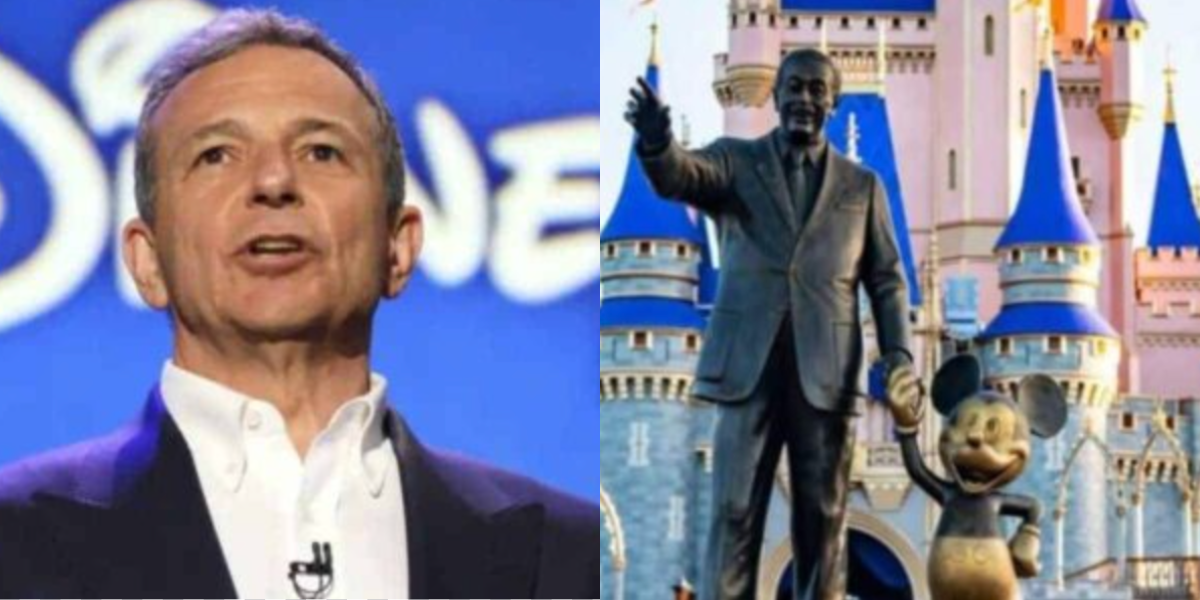
During an appearance on CNBC’s Squawk Box, Iger said he was watching the situation from the sidelines, noting, “It’s nice to be an observer and not a participant in this.”
But it was his follow-up comments that really stirred things up. When discussing the potential impact of Netflix gaining control over Warner Bros. and HBO Max, Iger asked whether the merger might give Netflix “pricing leverage that might be considered a negative or damaging to the consumer,” adding that such power “might not necessarily be healthy.”
And that’s where fans raised their eyebrows.
A Warning That Doesn’t Sit Well With Fans
For a significant portion of the public, the comments felt oddly misplaced. Disney is the same company that purchased Pixar, Marvel, Lucasfilm, Fox’s entertainment assets, and has since taken full ownership of Hulu. Disney practically wrote the modern playbook on consolidation. So for the CEO of the most aggressive content-acquirer of the 21st century to caution Netflix about becoming too powerful? Many felt that was a tough sell.
Online discussions quickly turned into roast sessions. Some fans questioned how Disney—known for absorbing massive studios to build its content library—could suggest that another company doing something similar might be bad for the industry. Others said Iger’s remarks felt disconnected from the reality Disney helped create. One commenter summed it up: “So it’s fine when Disney does it, but suddenly dangerous when Netflix tries?”
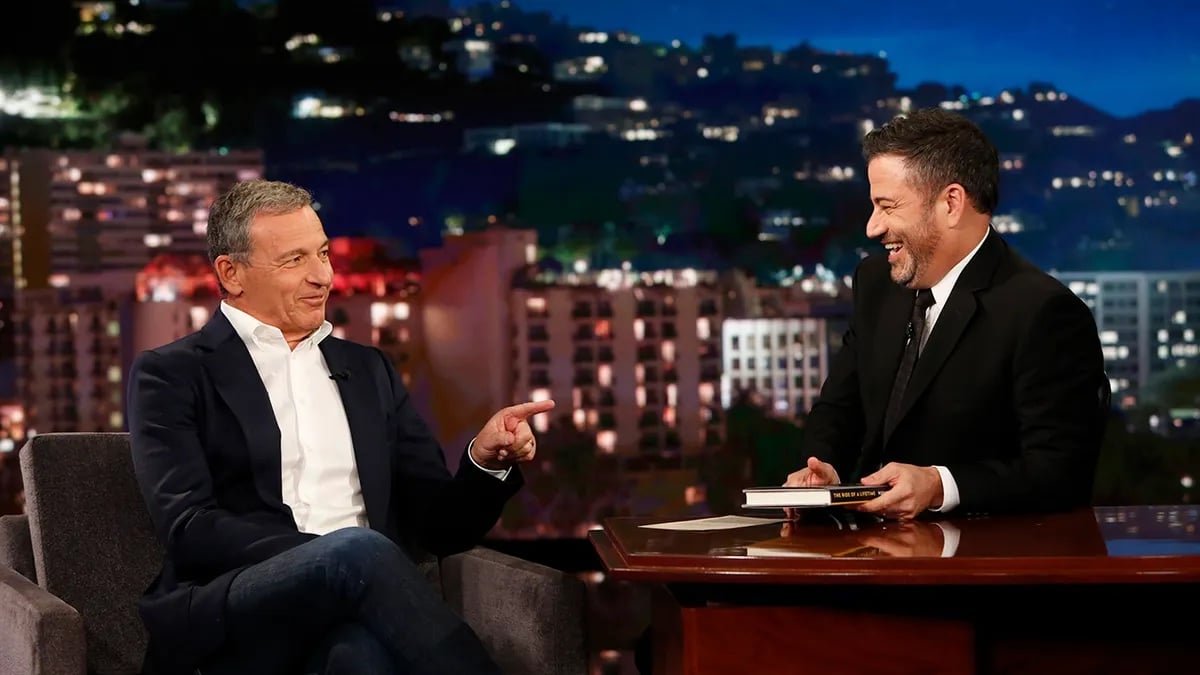
Still, Iger didn’t only raise consumer concerns. He also highlighted the potential impact on theaters and creatives, warning that too much consolidation could disrupt the “ecosystem” that supports filmmaking. He mentioned the thin margins theaters already operate under, adding that they rely on healthy partnerships and a steady supply of films.
But again, critics argue that Disney’s influence already reshaped theatrical norms—from stricter revenue splits to long exclusive windows—meaning the warning feels like it’s coming from the wrong person.
A Conversation Worth Having—But the Wrong Messenger?
Iger himself referenced Disney’s acquisition history, saying the company once felt it needed “more quality IP, franchises and brands, and also more talent.” That is precisely the strategy that built Disney’s dominance over the box office and its streaming expansion. So when he cautions someone else against consolidation, the natural reaction is skepticism.
To be fair, the industry is right to question the effects of a Netflix–Warner Bros. deal. It would reshape the landscape overnight. But the uproar stems from the irony: Disney is the company that set the trend, yet now warns others to slow down.
And for fans, that’s a dynamic that’s hard to ignore.