Baby Tiger at Disney World Now Alone After Being Separated From Mom

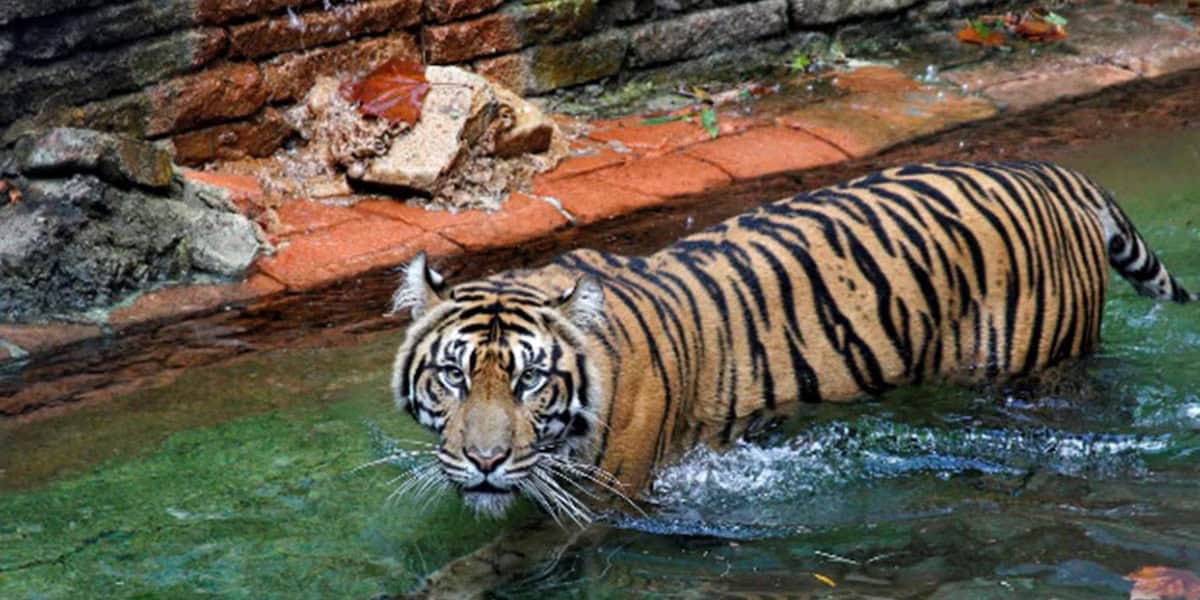
Bakso, the Sumatran tiger cub born at Disney’s Animal Kingdom in September 2024, is now exploring Maharajah Jungle Trek on his own. At over 18 months old, Disney has separated him from his mother, Sohni, as he reaches independence.
Why the Separation of the Tiger
In the wild, male Sumatran tigers typically leave their families around 18 months to find their own territory. Disney’s animal care team follows natural development patterns, allowing Bakso to transition to independence when he’s ready.

Bakso still shares the Maharajah Jungle Trek habitat with his mother, just without the constant maternal supervision that characterized his first year and a half.
Tiger Conservation Significance
Sumatran tigers are critically endangered, with fewer than 400 remaining in the wild. Bakso’s birth marked a major milestone as the first Sumatran tiger cub born at Animal Kingdom in seven years.
Before Bakso, Animal Kingdom housed only two Sumatran tigers: his parents, Sohni and Conrad. Conrad remains separated because male tigers can be dangerous to cubs while their mothers are caring for them.
The Path to Public Viewing
After his September 2024 birth, Bakso and Sohni needed bonding time before appearing in public. Disney prioritizes animal welfare over guest demands for immediate access.
On January 29, 2025, Disney finally allowed Bakso into the tiger viewing area. Fan reaction was immediate, videos of the cub went viral on social media, and guests flocked to Animal Kingdom specifically to see him.
Unprecedented Popularity of the Tiger
The Maharajah Jungle Trek faced an influx of guests unlike anything the walking trail typically experiences. Wait times to enter the tiger viewing area exceeded an hour highly unusual for a walking exhibit.
Guests began lining up before the area opened, which is typically an hour after Animal Kingdom’s official opening. Cast members limit the number of people in viewing areas at once to prevent animal stress and maintain safety.
What’s Next for Bakso
According to caretakers, Bakso was expected to stay with Sohni for 18 months to 3 years. At 18 months, he’s at the younger end of that range but ready for more independence.
Once fully mature, Disney will work with Association of Zoos and Aquariums (AZA) member facilities to find a genetically compatible female tiger for breeding. This coordinates animal movements between zoos to optimize genetic diversity rather than keeping animals permanently at single locations.
Future Tiger Breeding Plans
Once Bakso reaches full independence and potentially moves to another facility, Disney may attempt to breed Conrad and Sohni again. However, there’s no guarantee this will happen.
Bakso may be sent to another AZA zoo for breeding when old enough. Thankfully, guests can continue to see him at Animal Kingdom for at least another year.
Where to See Him
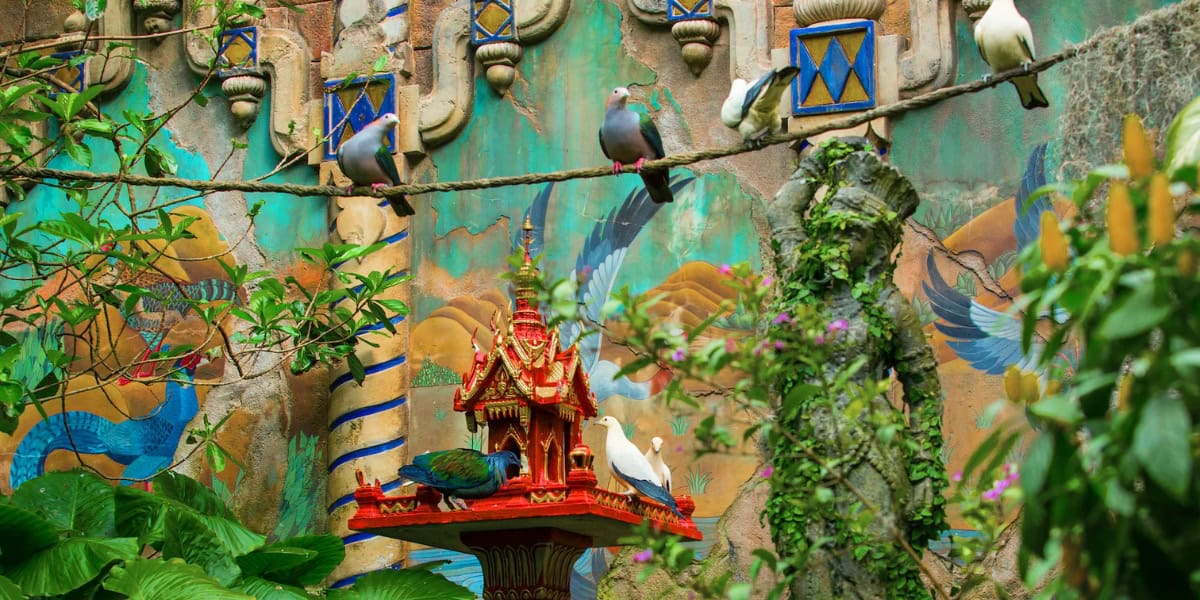
Guests can visit Bakso at the Maharajah Jungle Trek in Animal Kingdom’s Asia section. The trail also features:
- Over 50 species of birds
- Gibbons
- Komodo dragons
- Water buffalo
- Other Asian wildlife
The trek typically opens an hour after park opening. Arrive early if you want to see Bakso, as crowds continue to grow despite him maturing beyond the tiny-cub stage.
The Name of the Tiger
Bakso is named after an Indonesian meatball, reflecting Disney’s practice of giving animals names connected to their species’ geographic origins. The playful name contrasts with the serious conservation mission he represents.
Animal Kingdom’s Mission
Walt Disney was a conservationist, and Animal Kingdom embraces that legacy. The park works with zoos worldwide to breed critically endangered animals and increase population numbers.
Opened in 1998, Animal Kingdom teaches guests about poaching, deforestation, and habitat protection, not just displaying animals but educating visitors on conservation.
Bakso’s development allows guests to witness conservation efforts in action and see tangible results from breeding programs designed to ensure the survival of one of the world’s most endangered big cats.