

A New Congressional Vote Could Change Theme Park Days as We Know Them

Of all the things that could mess with a Disney vacation, Congress was not on anyone’s bingo card. And yet here we are. The U.S. House just passed a bill to make daylight saving time permanent, with bipartisan support no less, and it’s now headed to the Senate. If it becomes law, the twice-a-year clock change dies for good. No more springing forward. No more falling back. This could change the theme park world forever.
Sounds great, right? For most everyday life, probably. For theme park trips, especially holiday ones, it gets complicated fast. Here’s the breakdown every parks fan should read before celebrating.
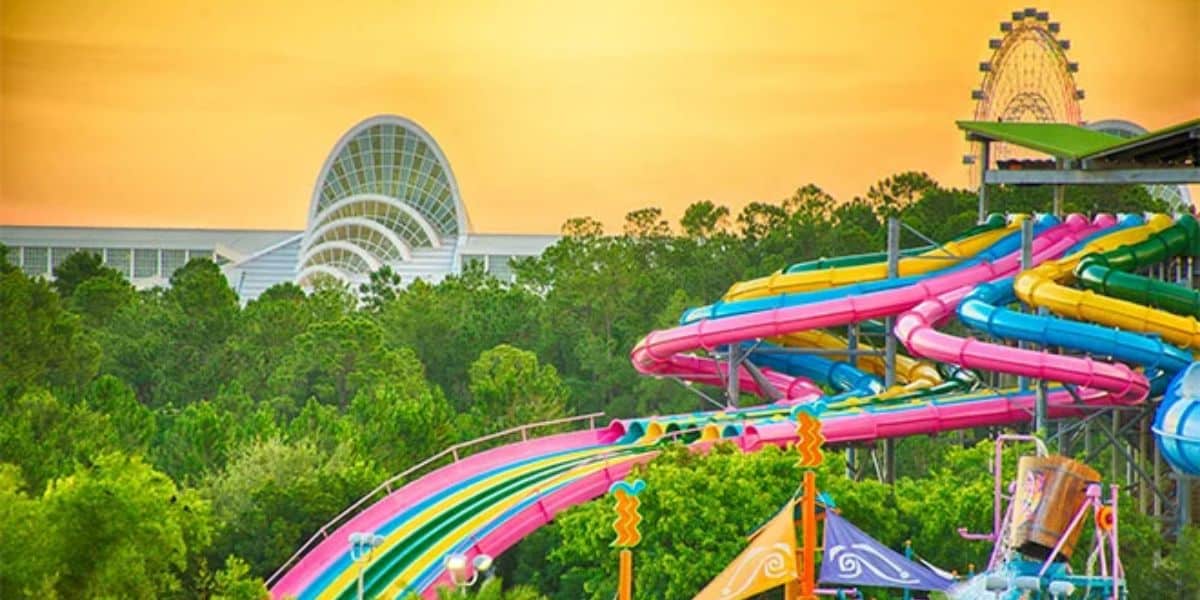
The Theme Park Holiday Lights Problem
Holiday events at theme parks have one non-negotiable ingredient: darkness. Mickey’s Very Merry Christmas Party, Disney Jollywood Nights, the EPCOT International Festival of the Holidays, Universal’s Grinchmas, the Hogwarts castle projections, SeaWorld’s Christmas Celebration, Christmas Town at Busch Gardens, all of it is engineered for after-dark wow.
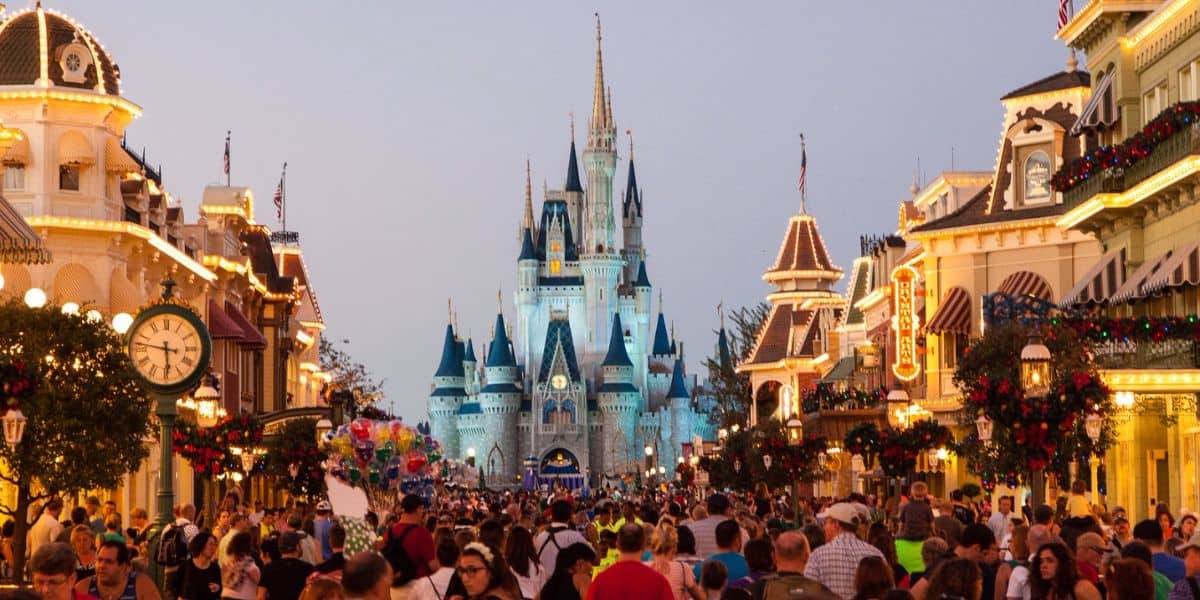
Now for the math that stings. On a typical November or December day, sunset in Orlando lands around 5:30 p.m. If EPCOT closes at 9, that’s about three and a half hours of glowing, twinkling, fireworks-ready darkness. Under permanent daylight saving time, sunset slides to roughly 6:30 p.m., and that same park day drops to about two and a half hours of dark.
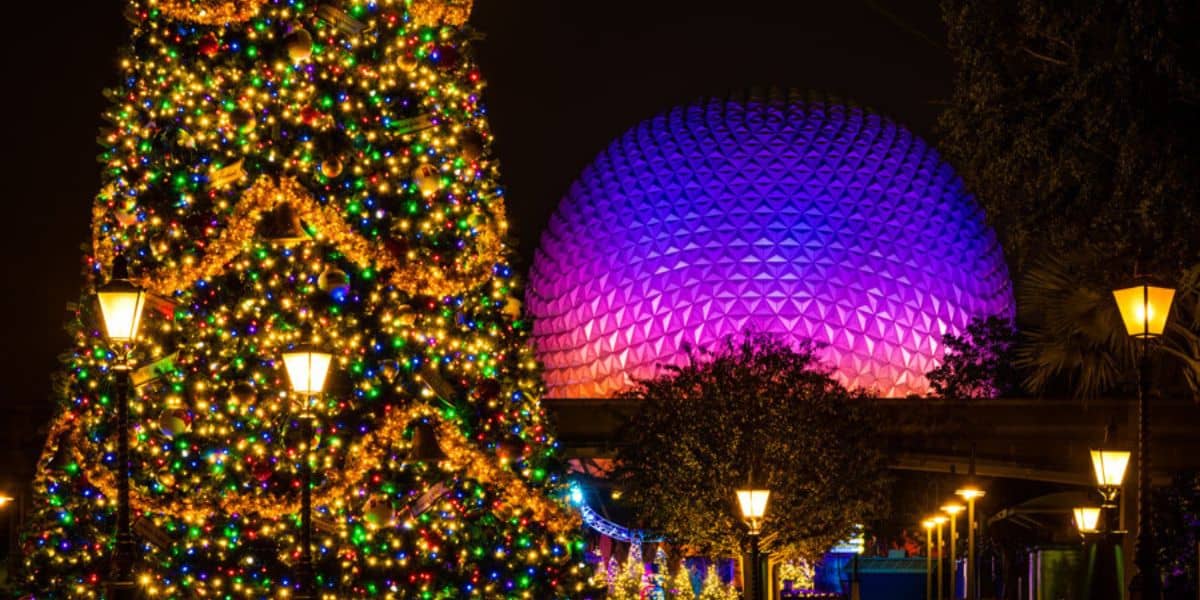
One entire hour of holiday nighttime, gone. Either the events start later, the parks stay open longer, or guests simply get less time with the lights they paid to see. Nobody has answers yet, because the parks have never had to solve this before.
The Theme Park Rope Drop Problem
The other side of the clock hits the early birds. Delaying winter sunrise by an hour means the entire pre-opening ritual, the parking plaza sprint, the security line, the transportation hub shuffle, happens in full darkness way more often.
Disney World hotel guests use Early Theme Park Entry to get in 30 minutes before official opening. Universal Orlando’s Early Park Admission can start a full hour early for eligible guests. Under the new clock, plenty of those winter early entries would happen before the sun comes up at all. Discovery Cove starts check-in at 7 a.m., and the pre-opening lines at SeaWorld and Busch Gardens would look downright nocturnal in December.

There’s a body-clock wrinkle too. Sleep experts have long said morning sunlight is what keeps the internal clock on schedule, and darker winter mornings make natural wake-ups harder for kids and adults alike. Pair a pre-dawn rope drop with fireworks that now end closer to bedtime, and the classic park day gets stretched from both ends. Anyone who has dragged a five-year-old through a 14-hour Disney day already knows how that story goes.
The Case for Not Panicking
Fair is fair, so here’s the other side. An extra hour of evening daylight means more usable time for outdoor rides, shopping, and dining before the temperature drops and the nighttime shows begin. Locals hitting the parks after work would get a real daylight window instead of arriving at dusk. The hospitality industry has historically liked longer evenings for exactly this reason, since people linger outdoors and spend more. And ending the clock change itself means no more groggy adjustment weeks twice a year.
So it’s a genuine tradeoff, not a disaster. Brighter evenings, darker mornings, shorter holiday nights.
What Happens Now
Nothing, yet. The bill cleared the House but the Senate is a real hurdle, and its fate there is anybody’s guess. The clocks keep changing until further notice.
But holiday trip planners should file this one away. If permanent daylight saving time becomes law, the winter park day gets rebuilt: rope drop in the dark, sunset an hour later, and holiday lights on a tighter schedule. The crowd calendars will adjust. The touring plans will adjust. Parks fans always adjust.
Just maybe keep one eye on the Senate between checking wait times.


