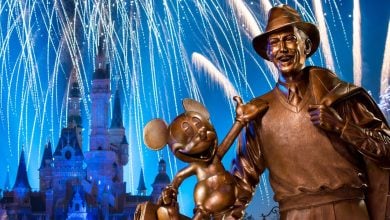
An Australian family’s Tokyo Disney trip has become an urgent effort to arrange a medical journey home after their teenage son developed a severe fear of flying. A public appeal says Ryan, 18, who has autism, cannot currently board a commercial aircraft to return to Australia.
The latest reporting puts a potential CareFlight at a minimum of A$296,000, with hospital costs additional. That changes the picture for readers encountering a bare “$200,000” figure: the currency, fundraising target and transport estimate must be distinguished before the family’s circumstances can be understood.

A Tokyo Disney Trip Leaves a Family Seeking Help
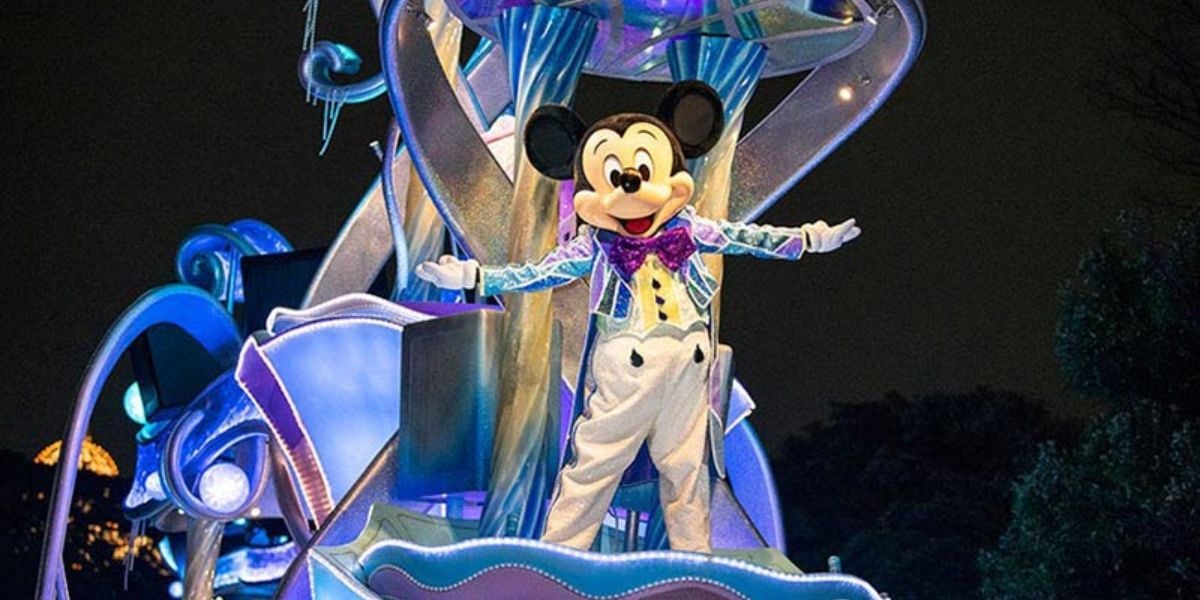
The James family’s visit to Japan included a birthday celebration connected to Ryan’s love of Mickey Mouse. His parents, Mel and Brad James, subsequently faced the problem of getting him home after distress disrupted plans for a domestic flight to Okinawa, according to Australian reporting.
The public fundraiser, organized by Janelle Goulding, says Ryan had previously flown without difficulty. It describes a newly overwhelming fear of flying and says the family received advice that specialist medical transport and sedation would be needed.
Those are accounts from the family and its fundraiser, rather than independently published medical findings. Neither account establishes that a Disney attraction or park experience caused Ryan’s distress, and describing the episode as a confirmed park sensory overload would go beyond the evidence.

Why the Medical Flight Figures Differ
News.com.au’s October 27 update reported the A$296,000 minimum for CareFlight, with further costs associated with hospital arrangements. It also reported that no evacuation date had been set and that the parents were seeking a Japanese hospital to begin the proposed process. news.com.au
The live fundraising page reviewed for this article displayed a $300,000 quoted cost and a $200,000 target. However, its narrative also retained a reference to costs exceeding half a million dollars, leaving an inconsistency within the appeal itself.
A fundraising goal is not an invoice. Nor should a dollar amount be presented as American currency unless that conversion has been checked and clearly identified; the safest headline here explains the medical flight appeal without fixing an uncertain final bill.
What Tokyo Disney’s Accessibility Services Cover
Tokyo Disney Resort publishes disability support arrangements for visitors to Tokyo Disneyland and Tokyo DisneySea. Its official guidance describes Disability Access Service for eligible guests who have difficulty standing in line, allowing them to wait separately until a designated time.
Overseas visitors are asked to bring disability documentation issued under their home country’s laws. Registration involves presenting the certificate and the party’s park tickets, with the eligible guest present; the resort specifies that the service does not shorten the wait or override attraction boarding requirements.
Inside the Magic has previously covered criticism of Disney World disability maps. Those stories provide background on accessibility discussions, but their American park examples should not be mistaken for Tokyo’s current services or explanations of Ryan’s circumstances.
Park assistance and airline medical clearance address different needs. A visitor’s eligibility for a queue accommodation does not establish whether a commercial flight is appropriate, and the published resort guidance cannot resolve this family’s transport arrangements.

The Wider Challenge for Overseas Disney Visitors
Australia’s Smartraveller guidance for Japan says travelers need insurance covering overseas medical costs, including evacuation. It also warns that medical treatment may require upfront payment and that medication rules can differ from those at home.
That guidance gives international theme park visitors a practical starting point: check the entire journey, including medical arrangements and the return flight. It does not establish whether this family’s particular insurance policy covers its situation, and no coverage outcome should be inferred from a fundraising appeal.
Other planning details remain relevant when organizing a supported visit. Our reporting on Tokyo Disney monorail ticketing and hotel early entry restrictions addresses transport and accommodation decisions, while earlier coverage of paid show viewing illustrates another reservation system visitors may encounter.
Those articles are background reading, not a substitute for checking current official terms. For families coordinating multiple services, a park itinerary is only one component of a trip whose airport transfers, accommodation and flight arrangements need separate attention.

What Needs to Happen Before Ryan Returns Home
The next meaningful development will be confirmation of a workable transport plan and a departure date. News.com.au reported that the insurer was working with the family while awaiting specialist medical and logistics guidance, and that Australian officials were providing consular assistance.
Until further confirmation emerges, the proposed medical transfer should not be described as completed or guaranteed. The exact final cost, hospital arrangements and any insurance contribution remain questions for the people directly involved.
For readers following the family’s appeal, updates should establish what has actually changed: a confirmed flight, an agreed care arrangement or a verified return to Australia. Ryan’s individual experience also should not be used to make sweeping claims about autistic travelers; the immediate story is one family’s effort to get home safely.
The broader accessibility discussion, including advocacy for sensory rooms at Disney parks, should continue without treating this individual case as proof of what every autistic visitor needs. Medical decisions remain specific to Ryan’s circumstances.