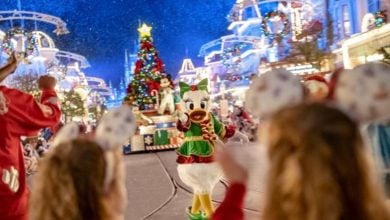
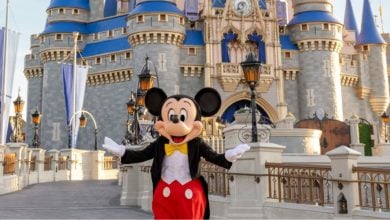
Planning a Walt Disney World vacation is an exercise in military-level precision. Guests commit thousands of dollars months before setting foot in Central Florida, locking in date-specific theme park tickets, reserving $700-a-night Deluxe resort rooms, booking dining reservations 60 days out, and buying Lightning Lane passes up to a week in advance. Because every hour in Orlando is meticulously mapped and prepaid, even a minor disruption to your travel itinerary can trigger an expensive financial collapse.
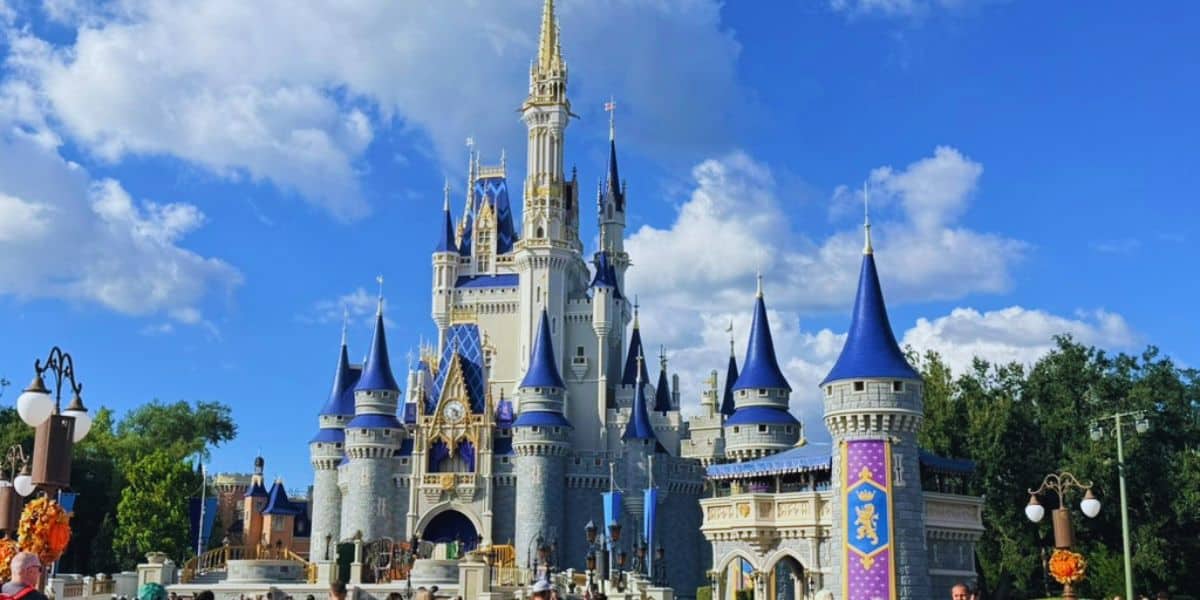
For the past several weeks, theme park travelers have watched the skies with mounting dread as the federal government prepared to roll back key passenger protections established during the Biden administration. A new Department of Transportation (DOT) regulation implementing Section 511(b) of the 2024 FAA Reauthorization Act was set to eliminate airline obligations to provide hotel vouchers and meals for a wide array of delays.
Now, travelers have received a reprieve: following requests from airline groups and logistics coordinators to update reporting systems, the federal government has officially pushed back the effective date of the ruling to February 1, 2027.

While this delay spares visitors flying down for the 2026 holiday rush—including those attending Mickey’s Not-So-Scary Halloween Party and Mickey’s Very Merry Christmas Party—it merely postpones the inevitable. Come early 2027, anyone boarding a flight bound for Orlando International Airport (MCO) will face an airline industry armed with new legal shields against consumer compensation.
The Policy Rollback: Redefining “Airline Fault”
To understand why this regulatory shift will hit Disney vacationers so hard, you have to look at the recent history of passenger rights.
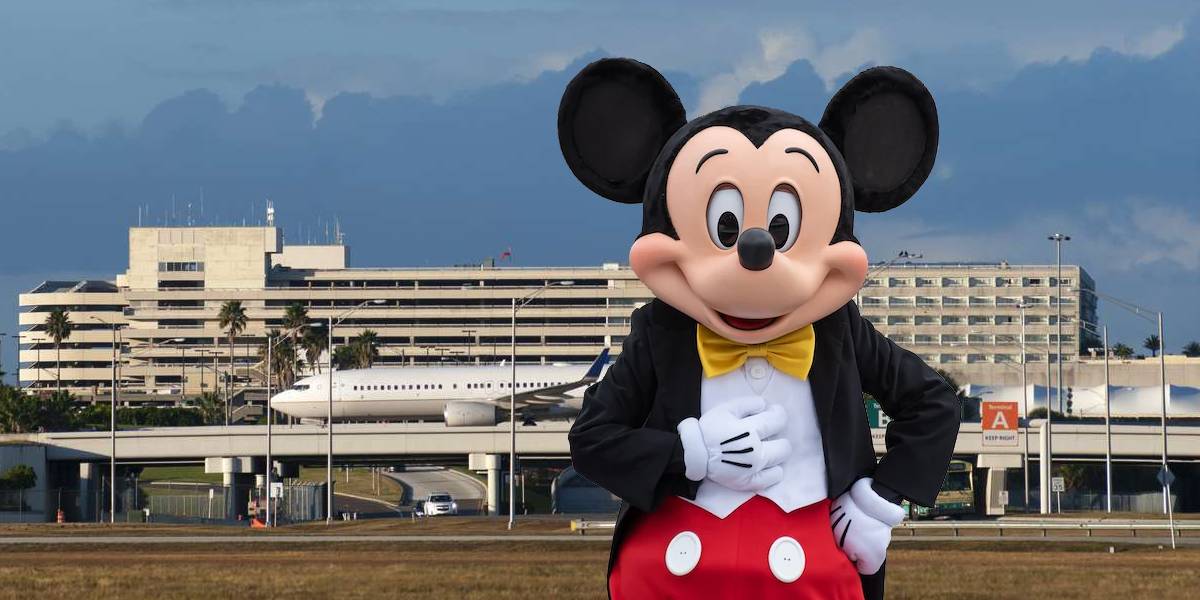
Under the Biden administration, the DOT made holding commercial airlines financially accountable a top priority. That initiative established public-facing customer service dashboards that pressured major domestic carriers into legally binding commitments: if a flight delay or cancellation was deemed “controllable” (within the airline’s operational control), the carrier had to provide stranded travelers with complimentary hotel lodging, ground transportation, and meal vouchers.
The newly finalized Section 511(b) rule dramatically weakens that standard. Starting February 1, 2027, the DOT will officially remove 10 specific disruption categories from the standard “Air Carrier” fault classification. By reclassifying these events as outside the airline’s control, carriers will no longer be legally pressured or held to their dashboard commitments to cover out-of-pocket expenses for affected passengers.

The 10 exempt scenarios include:
- Non-deferrable, unscheduled preflight maintenance or repairs are required before departure.
- External aircraft damage caused by severe weather, foreign object debris (FOD), or sabotage.
- Third-party baggage or cargo loading technical outages.
- Removals of unruly passengers.
- In-flight medical emergencies are handled regardless of the carrier’s fault.
- Overheated brakes resulting from emergency safety procedures.
- Cybersecurity attacks (assuming the carrier was in regulatory compliance).
- Unexpected federal system outages are affecting flight operations.
- Airport closures caused by wind, wind shear, or volcanic ash.
- The death of a passenger necessitates deep aircraft sanitization.
The “Unscheduled Maintenance” Nightmare
Among this list, the single biggest hazard for theme park travelers is the exemption for unscheduled preflight maintenance.

Historically, if a jet suffered a mechanical failure at the gate—such as a cracked cockpit window, a landing gear glitch, or a malfunctioning cabin pressure valve—the disruption was categorized squarely as the carrier’s fault. Under current standards, if that mechanical issue leaves you stranded overnight, the airline is expected to provide hotel vouchers and food.
Once the new rule takes effect in February 2027, airlines can legally designate sudden, non-deferrable gate repairs as an exempt event. If your evening flight to Orlando is grounded due to a broken hydraulic sensor and you cannot be rebooked until the following afternoon, the airline will have no obligation to put you up in a local hotel or pay for dinner. You will be entirely on your own.
The Costly Domino Effect on a Disney Vacation
For a casual traveler or remote worker, an unscheduled night in an airport terminal is an annoying headache. For a Disney guest, it is a logistical catastrophe that incinerates hundreds, if not thousands, of non-refundable dollars.
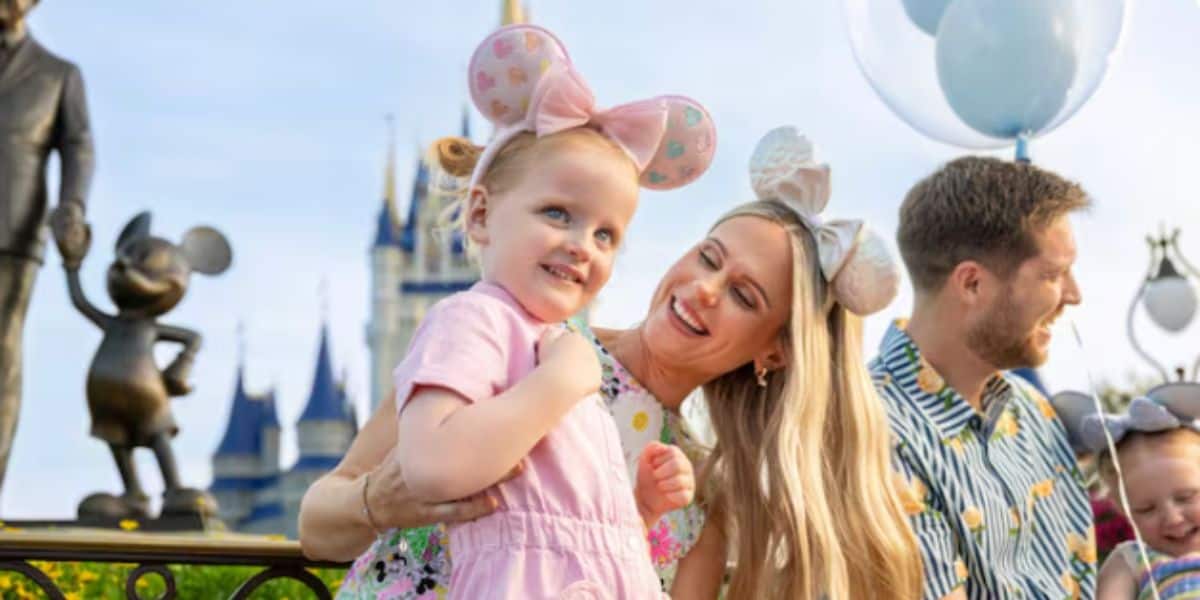
When an unexpected flight delay stalls your arrival in Orlando, the financial damages compound instantly:
- Wasted Resort Nights: Disney hotels require full prepayment or steep deposits. Whether you are booked at a Value Resort like Art of Animation ($220/night) or a Deluxe property like Disney’s Polynesian Village Resort ($800+/night), an empty room cannot be refunded when you are stuck 1,000 miles away. You end up paying for a Disney room you cannot sleep in while paying out of pocket for an airport hotel at your origin city.
- Forfeited Lightning Lane Purchases: Guests staying on Disney property can purchase Lightning Lane Multi Pass and Single Pass attractions up to seven days before check-in. These passes—which easily run between $25 and $39 per person, per day—are strictly non-refundable and non-transferable. An overnight flight delay means forfeiting hard-won return times for high-demand rides like Guardians of the Galaxy: Cosmic Rewind and Tiana’s Bayou Adventure.
- Dining No-Show Penalties: Coveted character dining spots at Chef Mickey’s or Cinderella’s Royal Table take months of coordination. Disney charges strict cancellation fees ($10 to $25 per person) for no-shows if reservations are not canceled at least two hours in advance—a difficult feat if you are trapped on an active tarmac with limited communication.
Preparing for the 2027 Shift
Because travelers now have until February 1, 2027, before these rollbacks officially land, vacation planners have time to adjust their habits:
- Never Fly on Park Day: The practice of catching a crack-of-dawn flight and heading straight to Magic Kingdom with luggage in tow is officially obsolete. Always schedule an arrival buffer day to settle into your resort before your first theme park ticket is activated.
- Secure Independent Travel Insurance: Do not rely on federal mandates or airline goodwill to protect your trip. Purchase comprehensive third-party insurance that explicitly covers “travel delay” and “missed connections” stemming from mechanical aircraft issues.
- Leverage Premium Travel Cards: Book flights with credit cards that offer robust built-in trip delay reimbursement to cover emergency lodging when airlines refuse.
The clock is ticking on federal passenger protections. While Disney fans can breathe a temporary sigh of relief through the end of 2026, navigating your way to the Most Magical Place on Earth will demand far more vigilance the moment February 2027 arrives.