New TSA Scanners Could Reject Larger Carry-Ons Before Disney World Travelers Reach Their Gate
A growing airport-security upgrade could force some Walt Disney World travelers to reconsider how aggressively they pack their carry-on luggage—especially on the souvenir-heavy flight home.
The Transportation Security Administration is replacing older checkpoint X-ray machines with computed tomography scanners capable of producing detailed, three-dimensional images of bags. The technology gives officers a better view without necessarily opening the luggage, but it comes with a physical limitation: the entrance to the scanner is smaller than the opening on some older machines.
Larger carry-ons that once passed through a checkpoint may no longer fit.
That does not mean TSA has created a new national carry-on-size limit. Airlines still establish their own baggage dimensions, and procedures can differ among airports. However, the scanner itself may now enforce those limits before travelers ever reach the gate.
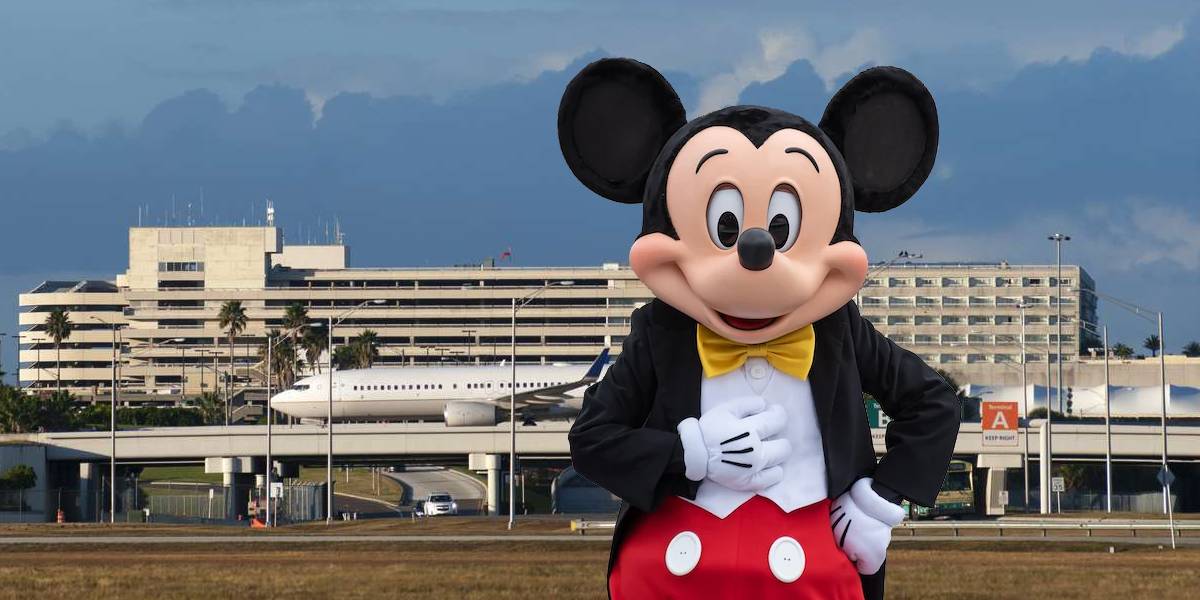
TSA’s Improved Scanner Has a Smaller Opening
According to the Transportation Security Administration’s explanation of computed tomography, the scanners use sophisticated algorithms to create an image that officers can rotate through 360 degrees.
The technology is intended to improve both security and efficiency. Officers can examine a bag from multiple angles, potentially clearing suspicious items without conducting a physical search.
TSA awarded $781.2 million for additional CT scanners in 2022, and hundreds of airports now use the technology in at least some checkpoints.
But the machinery needed to generate those images takes up space. Recent reports quoting a TSA spokesperson state that the redesigned scanner opening is necessary to accommodate the advanced technology inside.
That leaves less room for oversized luggage.
“TSA officers are available to assist travelers with larger items or special needs to help ensure a smooth screening process,” the agency representative said.
TSA has not publicly detailed what that assistance will involve in every situation. Travelers could be redirected to their airline to check a bag, but procedures may depend on the airport, checkpoint, and item involved.

The Problem May Appear Before the Airline Stops You
Most travelers think of carry-on enforcement as an airline issue. A gate agent notices an oversized roller bag, asks the passenger to place it inside a measuring frame, and charges or checks the bag if it exceeds the carrier’s allowance.
The CT scanner can introduce that confrontation much earlier.
A soft-sided bag that has expanded beyond its listed dimensions may still squeeze into an overhead compartment. It may not pass through a rigid scanner tunnel. Wheels, handles, exterior pockets, and merchandise attached to the outside can also increase the bag’s effective size.
That distinction could matter considerably after a Disney vacation.
The trip home often includes more luggage than the arrival: popcorn buckets, plush toys, spirit jerseys, lightsabers, character merchandise, and purchases that seemed much smaller inside a theme-park store. An expandable suitcase packed to its limit may comply on paper while becoming too bulky for a particular scanner.
TSA has reportedly recommended checking larger bags that will not fit, although the agency has not announced a new nationwide checked-baggage mandate. The safest interpretation is simple: a bag that meets the airline’s dimensions should remain acceptable, but travelers should no longer assume an oversized carry-on will make it through security merely because it has worked before.
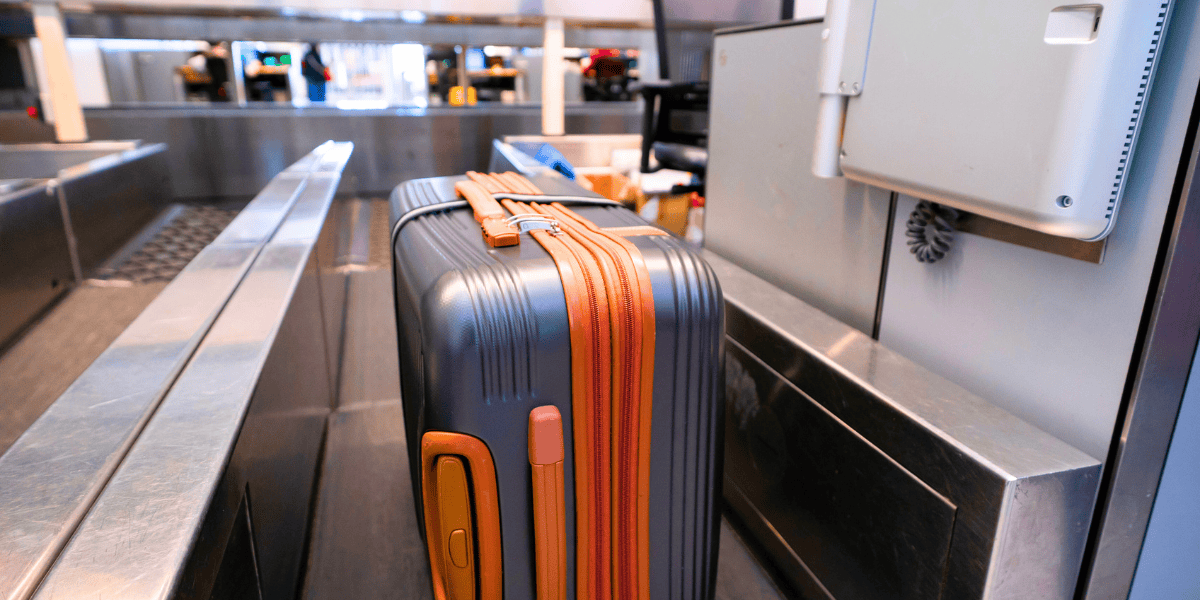
Disney Travelers Already Face a Patchwork of Airport Changes
The scanner rollout arrives as flying to and from Central Florida becomes increasingly dependent on knowing which technology, terminal, or screening program is available.
Orlando International Airport offers MCO Reserve appointments for standard security screening, while TSA has also introduced dedicated family lanes at Orlando checkpoints.
Other recent changes include the expansion of TSA PreCheck Touchless ID and new identification procedures covered in Inside the Magic’s guide to airport-security changes affecting Disney travelers.
The result is not one universal airport experience. A traveler may encounter CT technology at one checkpoint and an older X-ray machine at another. The same bag might pass through one system but create a problem elsewhere.
That inconsistency is precisely why travelers should prepare for the stricter scenario.

What Disney World Guests Should Do Before Flying
Passengers do not need to abandon carry-ons or automatically purchase checked luggage. They should, however, measure the complete packed bag—not simply trust the dimensions printed on its product label.
Include the wheels, handle, bulging exterior compartments, and anything strapped to the outside. Avoid overfilling expandable cases, and leave space for purchases before departing for Orlando.
Travelers bringing medical devices, mobility equipment, or other special items should speak with a TSA officer before placing them on the belt. TSA says assistance is available, but arriving early provides more time if alternative screening is required.
For souvenirs, shipping purchases home or distributing them among properly sized bags may prove less expensive than discovering at the checkpoint that a suitcase must be checked.
The new scanners are designed to make security more accurate and, eventually, more convenient. For most passengers, that will be the defining experience.
For travelers relying on an overstuffed carry-on, however, the machine’s most consequential feature may be the one they cannot see until the bag reaches the belt: a smaller opening with no room to negotiate.